You can help support my website and channel through the "buy me a coffee" page.
Here is the link: https://www.buymeacoffee.com/diycosmetica
Your support helps me keep sharing here more information and more formulas.
Vitamin C in Skincare
Vitamin C is one of the most powerful and versatile ingredients in skincare. It is known for its brightening action, antioxidant protection, and its role in supporting collagen production, which helps improve fine lines, dullness, and uneven skin tone.
Vitamin C comes in many forms, but Ascorbyl Glucoside is a stable, skin-friendly derivative that works well in daily serums without the irritation commonly associated with pure ascorbic acid.
Vitamin C works in the skin through several complementary biological mechanisms. First and foremost, it acts as a powerful antioxidant. Everyday exposure to ultraviolet radiation, pollution, and environmental stress generates free radicals in the skin. These unstable molecules damage cellular structures such as lipids, proteins, and DNA, accelerating visible aging. Vitamin C neutralizes these free radicals by donating electrons, helping to protect skin cells from oxidative stress before damage occurs.
Another essential function of vitamin C is its role in collagen synthesis. Collagen is the protein responsible for skin firmness, elasticity, and structural support. Vitamin C acts as a cofactor for the enzymes prolyl hydroxylase and lysyl hydroxylase, which are required for the proper formation of stable collagen fibers. Without sufficient vitamin C, collagen production becomes inefficient, leading to weaker skin structure and the appearance of fine lines over time.
Vitamin C also influences skin tone and pigmentation. It helps regulate melanin production by inhibiting the enzyme tyrosinase, which is involved in the formation of pigment. This mechanism explains why vitamin C serums are widely used to improve uneven skin tone, post-inflammatory marks, and dull-looking skin. Rather than bleaching the skin, vitamin C supports a more even and luminous complexion through gradual regulation.
Why Ascorbyl Glucoside Is More Stable Than Other Forms of Vitamin C
One of the main challenges with vitamin C in skincare is instability. Pure L-ascorbic acid is highly effective, but it is also very sensitive to oxygen, light, heat, and water. Once oxidized, it loses effectiveness and can even become irritating. This is why many traditional vitamin C serums darken quickly and must be formulated at very low pH levels, which are not tolerated by all skin types.
Ascorbyl Glucoside solves many of these issues. It is a vitamin C derivative in which a glucose molecule is bound to ascorbic acid. This glucose attachment protects the vitamin C structure from rapid oxidation, making it significantly more stable in water-based formulas and during storage. As a result, Ascorbyl Glucoside remains effective for longer periods and does not degrade as easily when exposed to air or light.
Another key advantage is pH flexibility. While pure ascorbic acid requires a pH around 3-3.5 to remain stable and penetrate the skin, Ascorbyl Glucoside is stable and effective at a skin-friendly pH of 5-6. This allows the formula to respect the skin's natural acid mantle, reducing irritation and making the serum suitable for daily use and sensitive skin.
Once applied, Ascorbyl Glucoside is gradually converted by skin enzymes into active vitamin C.
This slow conversion mechanism provides sustained antioxidant and brightening benefits without overwhelming the skin. In the context of this formula, the combination of proper pH, chelation, humectants, and gentle stabilizers ensures that the vitamin C remains active, effective, and well tolerated, offering consistent results with long-term use rather than short-lived potency.
Why Use a Vitamin C Serum?
A good vitamin C serum can:
- Improve overall radiance and brightness
- Even out skin tone
- Help reduce dullness
- Support collagen synthesis (leading to firmer skin over time)
- Protect against free radicals from UV exposure and pollution
Vitamin C does not replace sunscreen, but when paired with SPF it becomes an excellent day-to-night antioxidant booster.
This is a balanced, gentle, and effective vitamin C serum using 8% Ascorbyl Glucoside, a stable, easily tolerated vitamin C derivative.
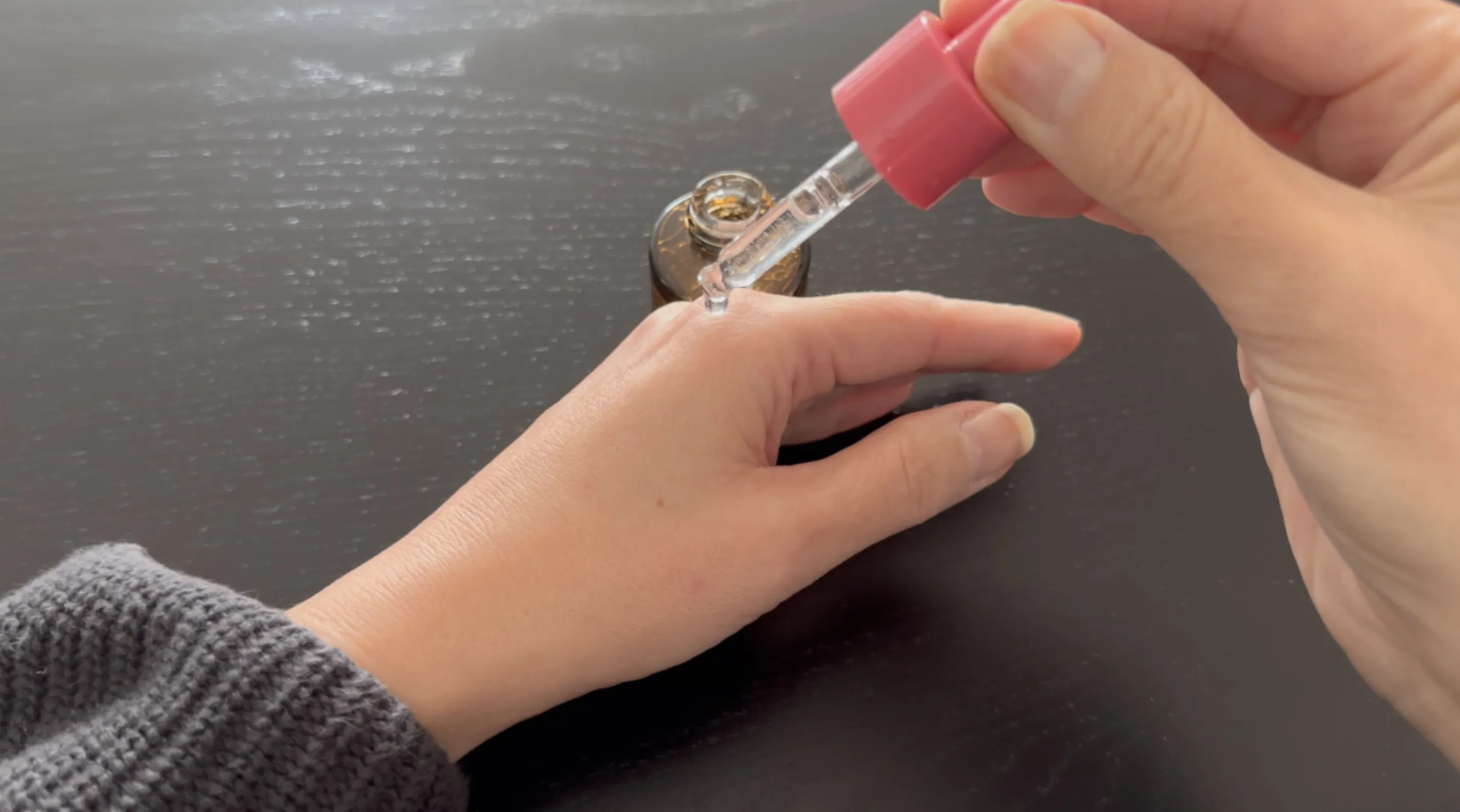
Method
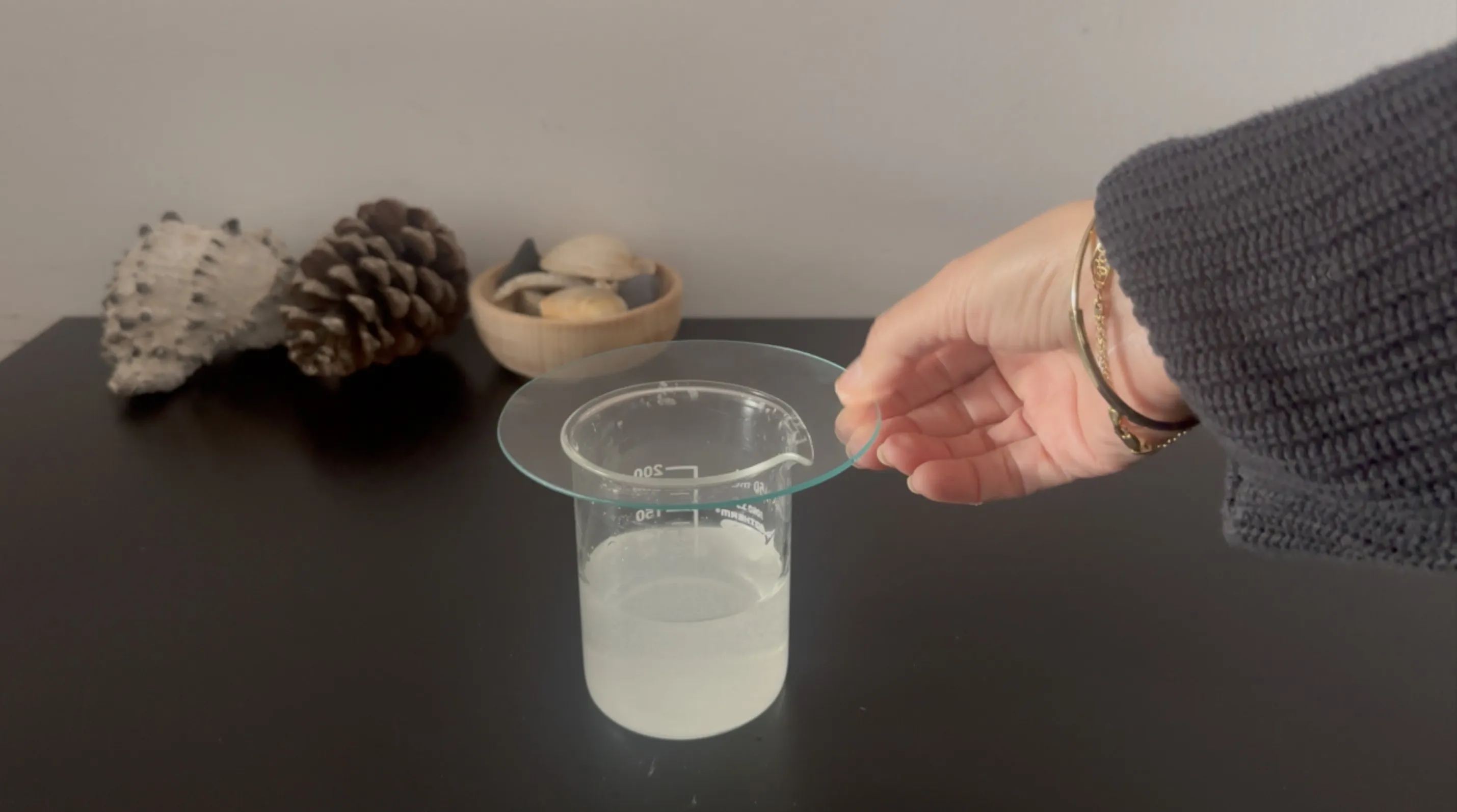
In a clean, disinfected workspace, weigh the xanthan gum and propanediol and mix them together to form a smooth slurry (this helps the gum disperse evenly and prevents clumping).
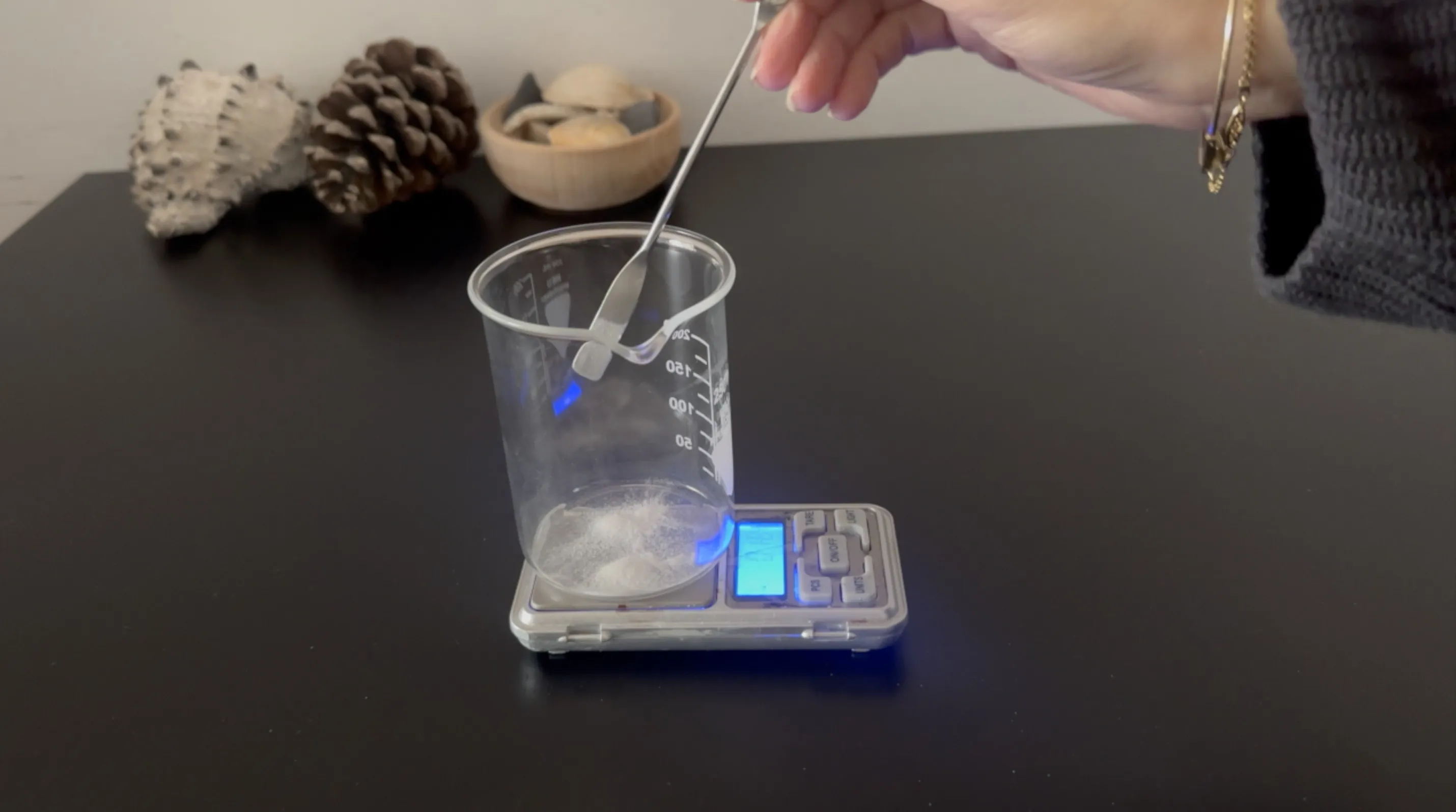
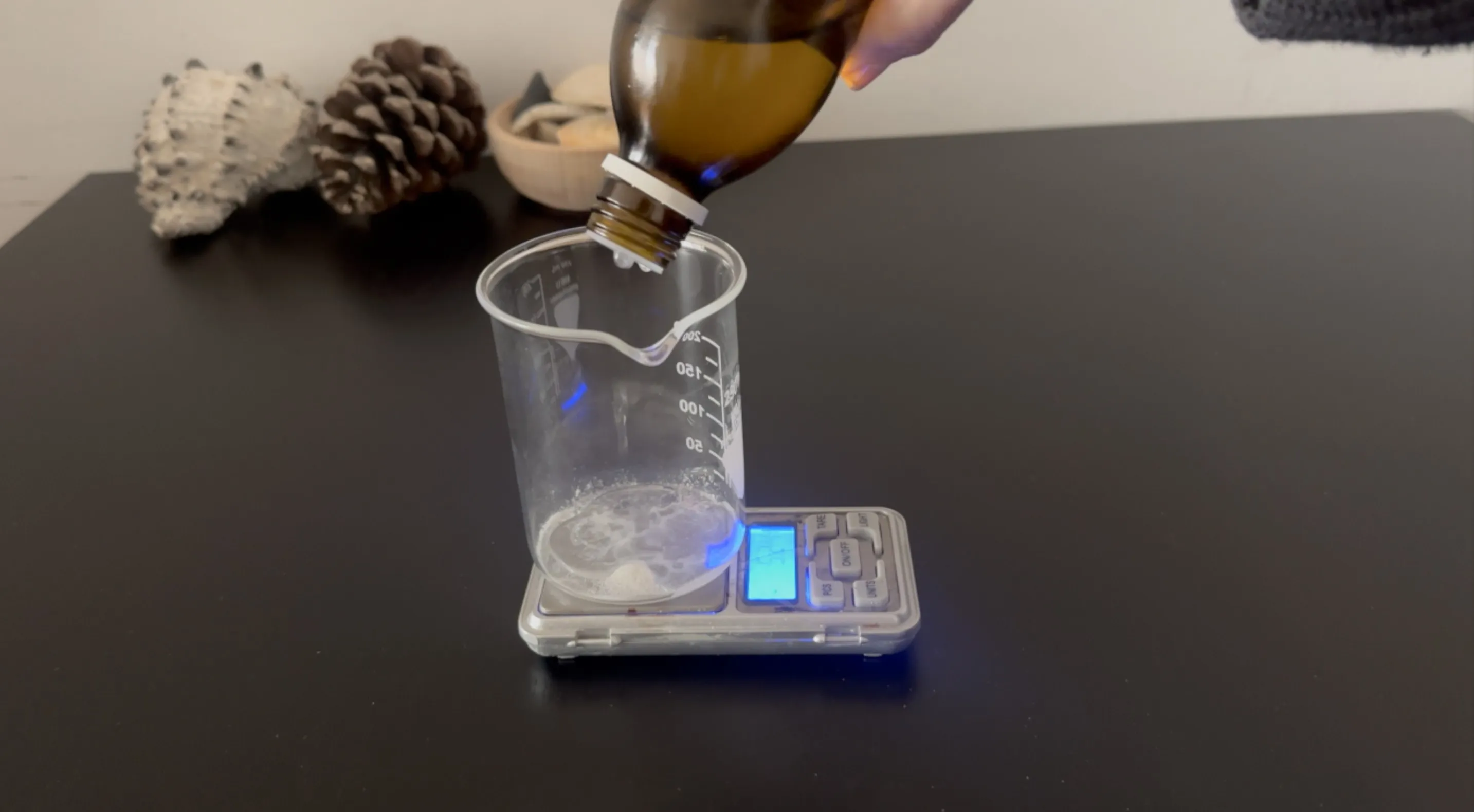
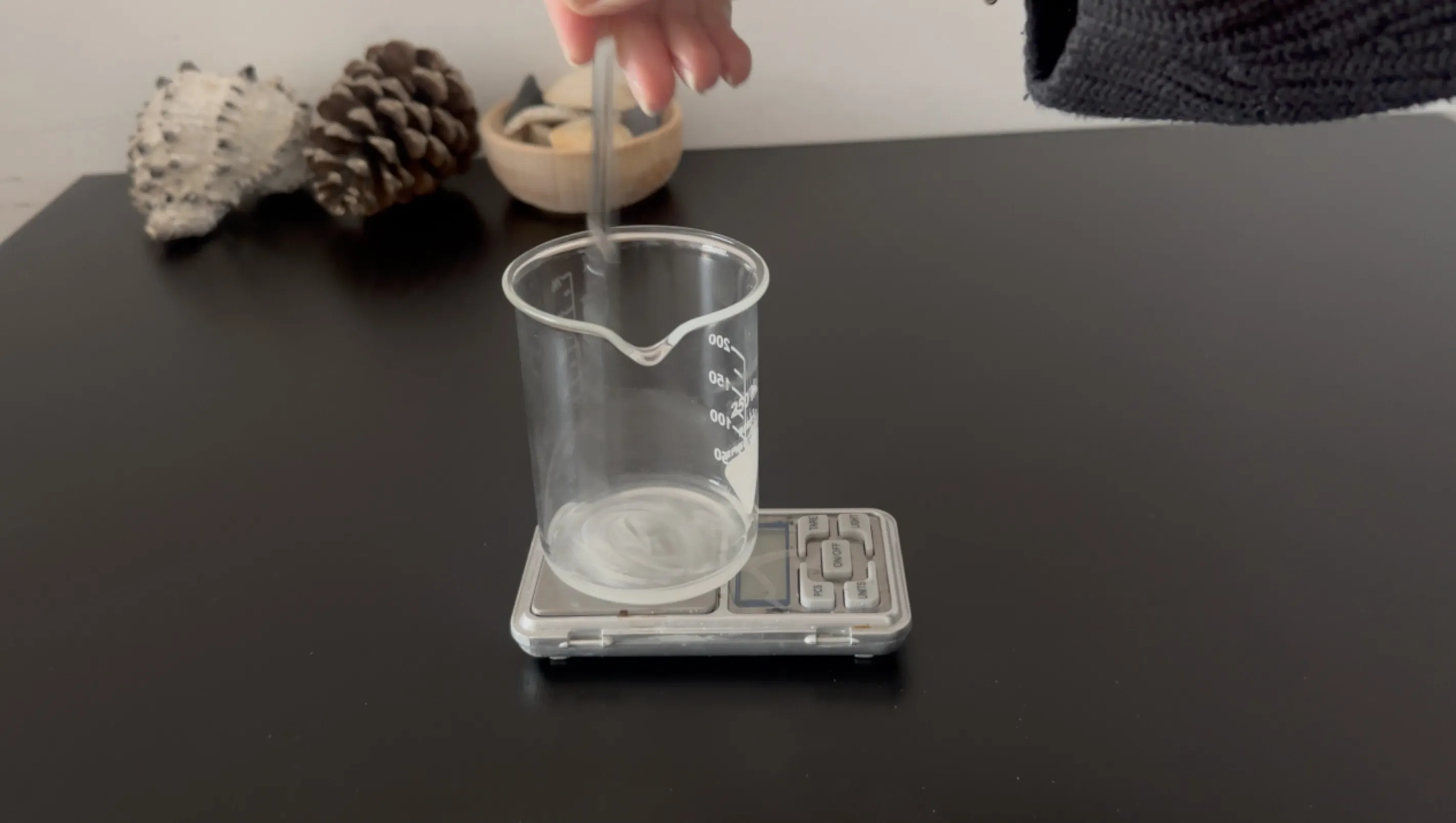
In another beaker, add the distilled water and the Disodium EDTA, then stir to combine.
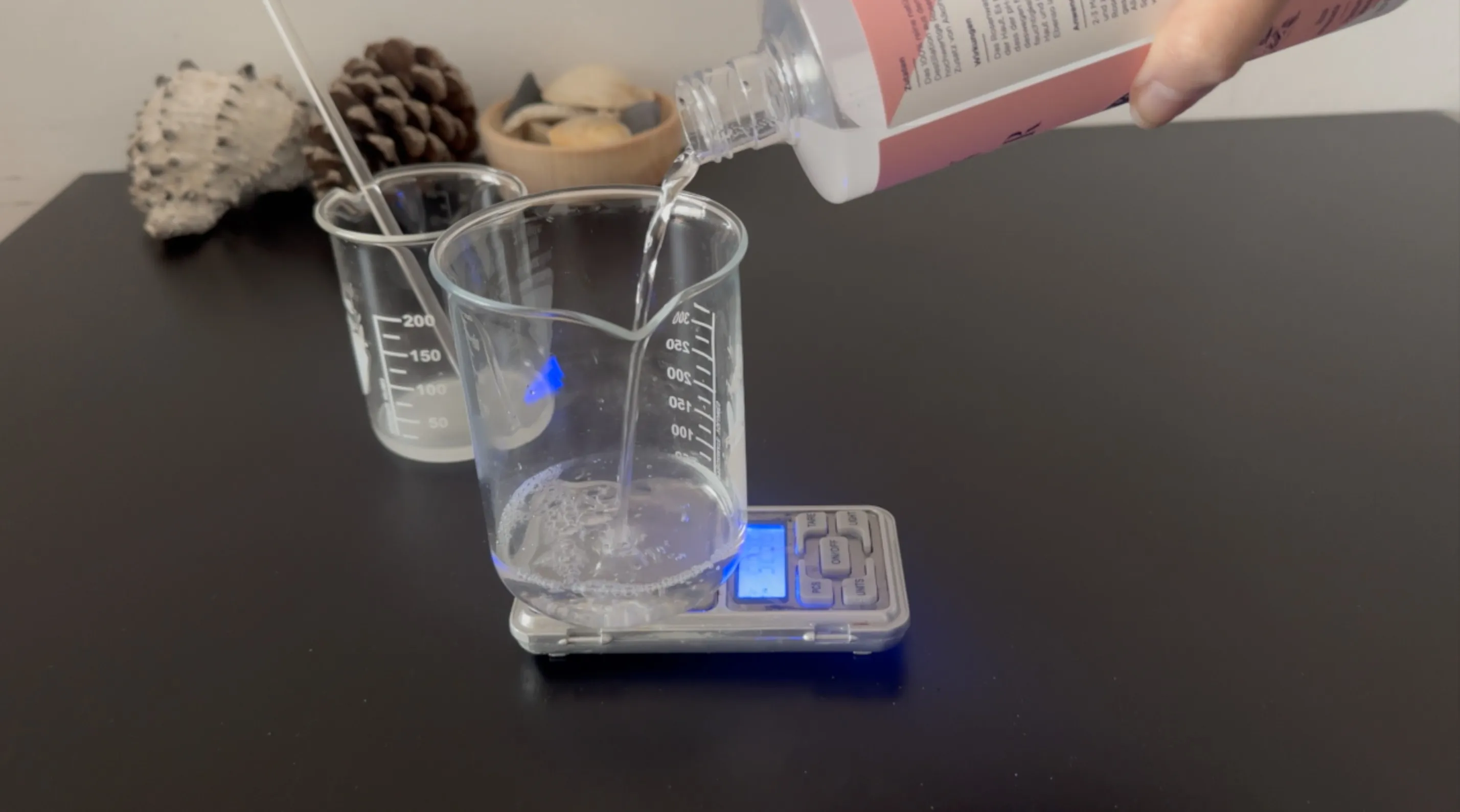
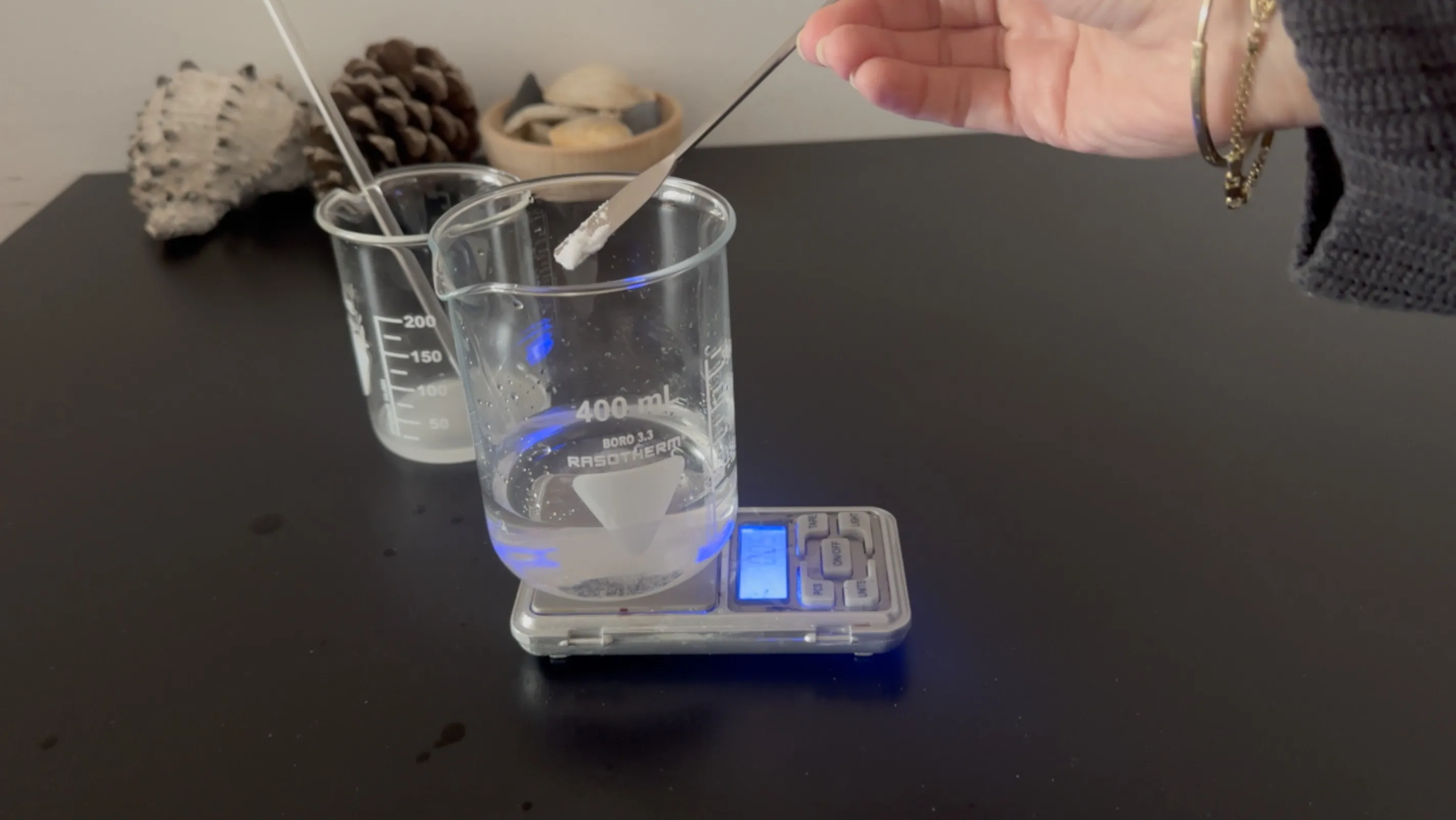

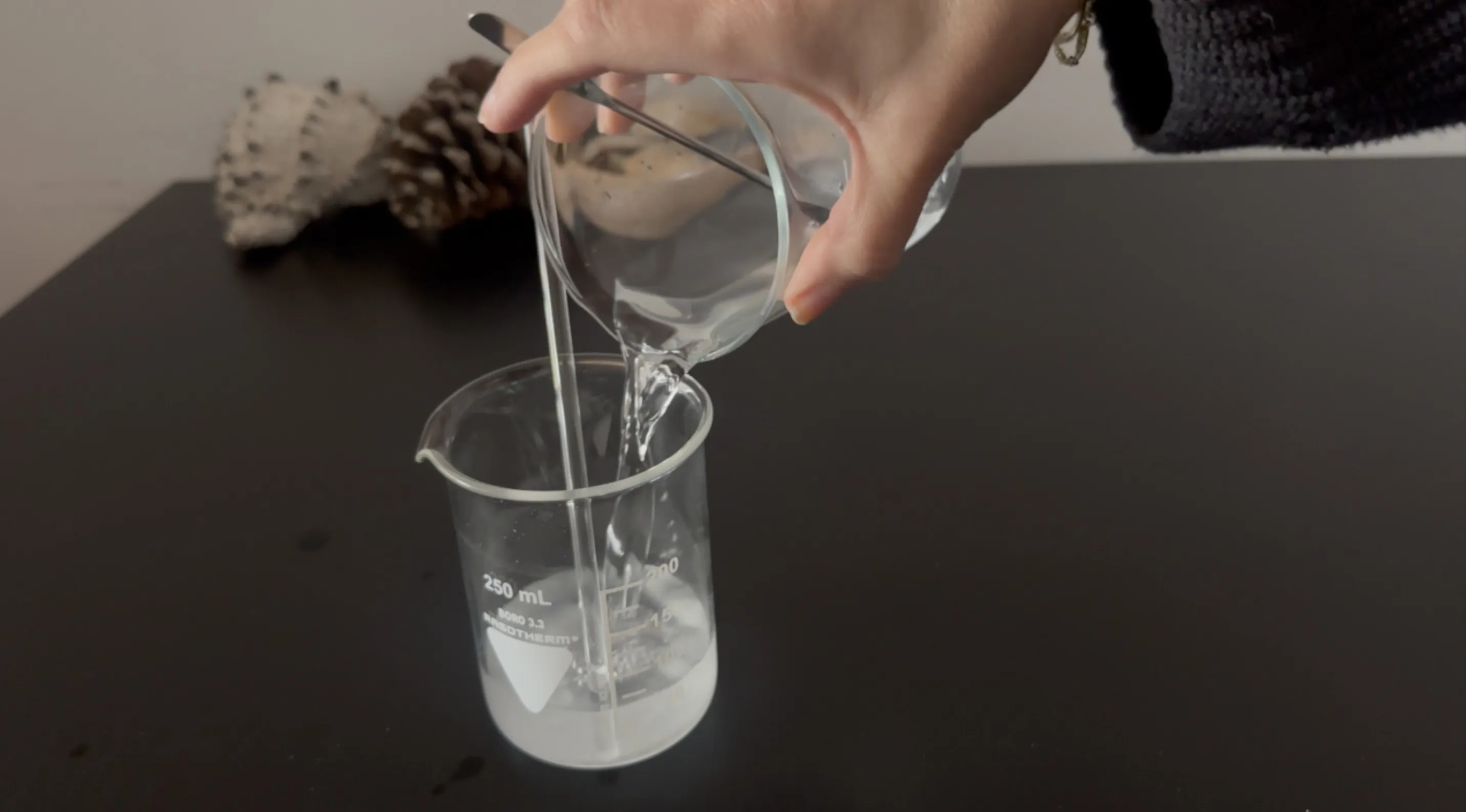
Add the distilled water (while stirring) to the beaker with the slurry. Stir until the gum is hydrated.
Add the betaine and sorbitol (70% solution) and stir until completely dissolved.


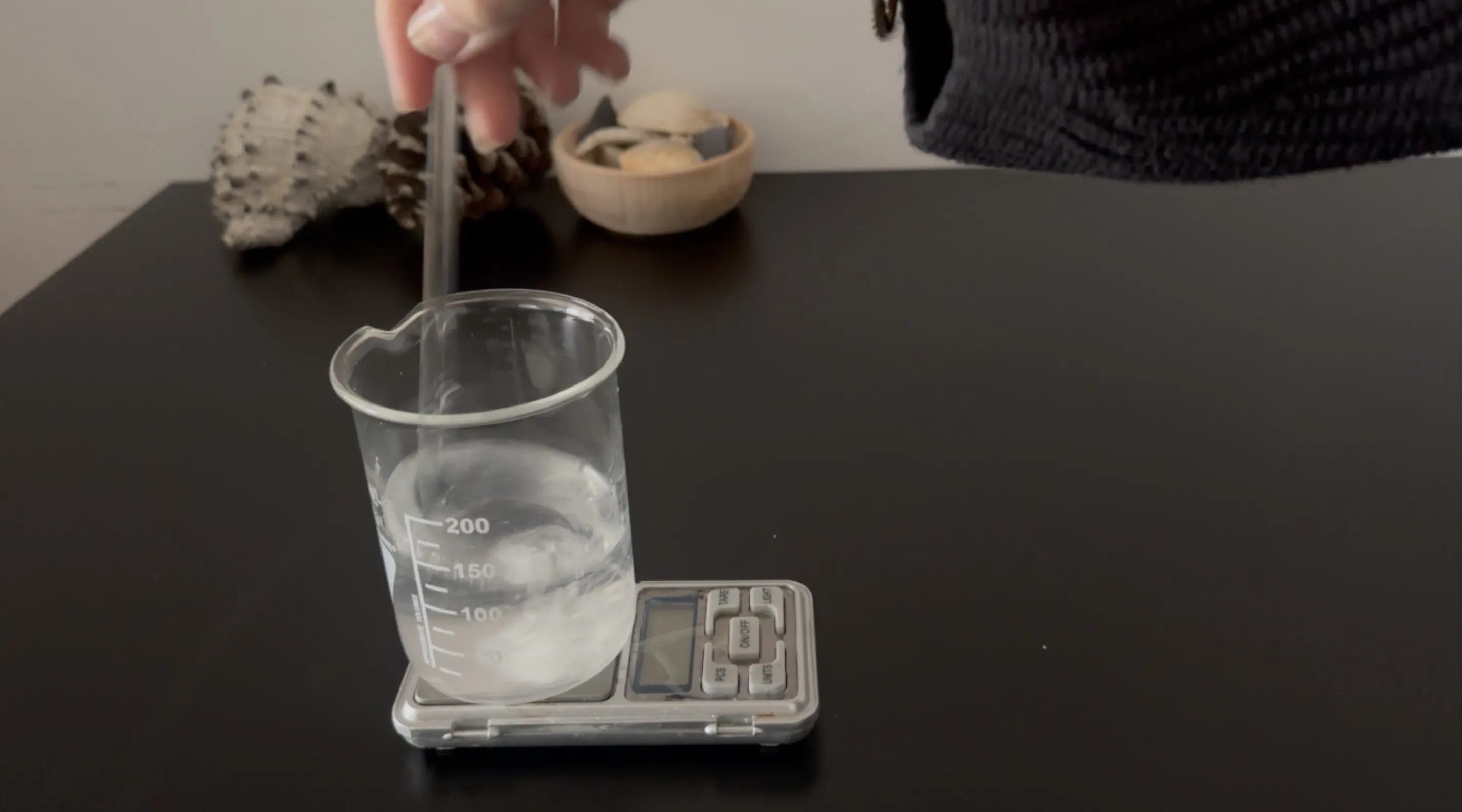
Add the ascorbyl glucoside and stir for 1-2 minutes, or until the solution is homogeneous.
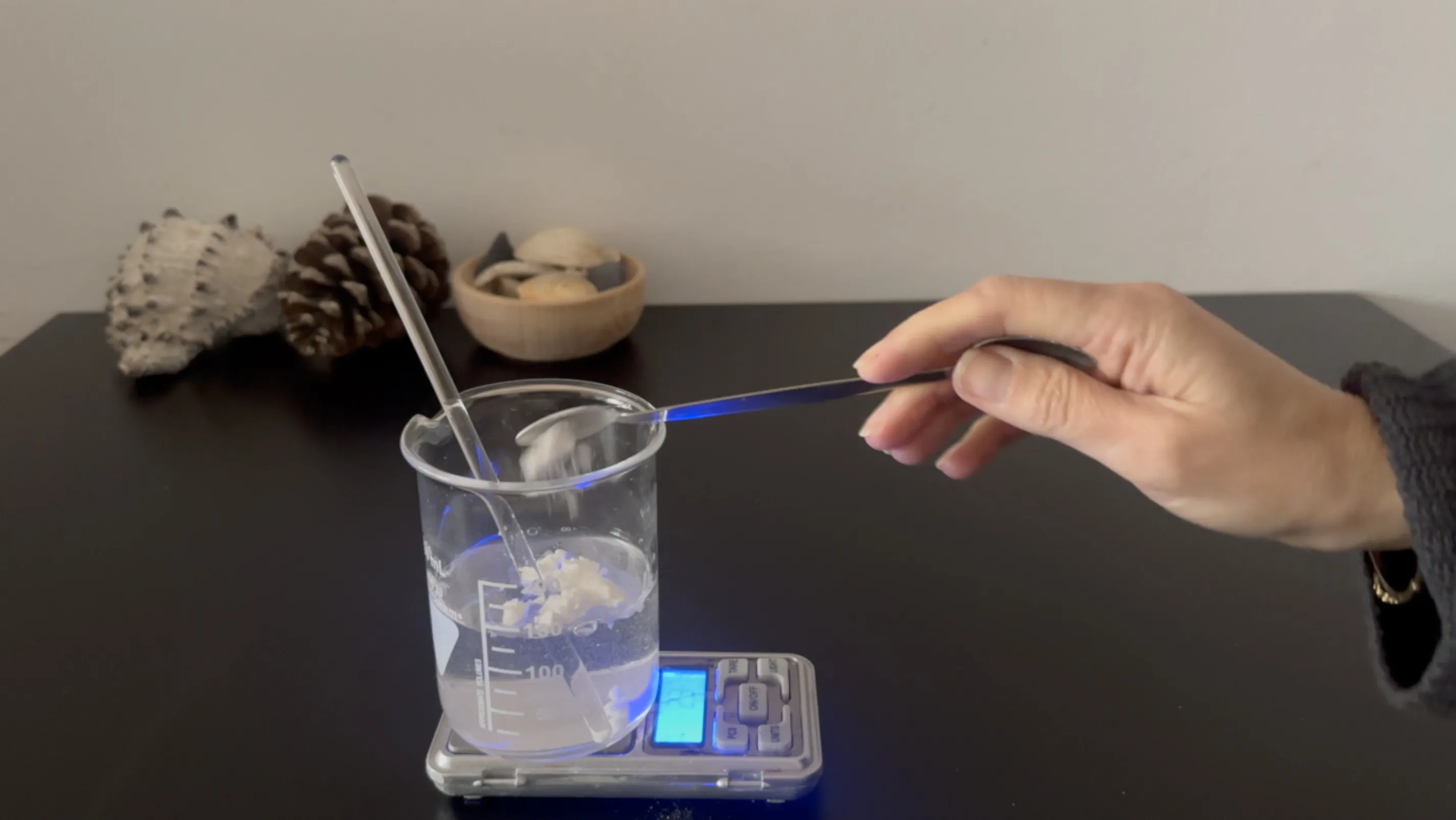
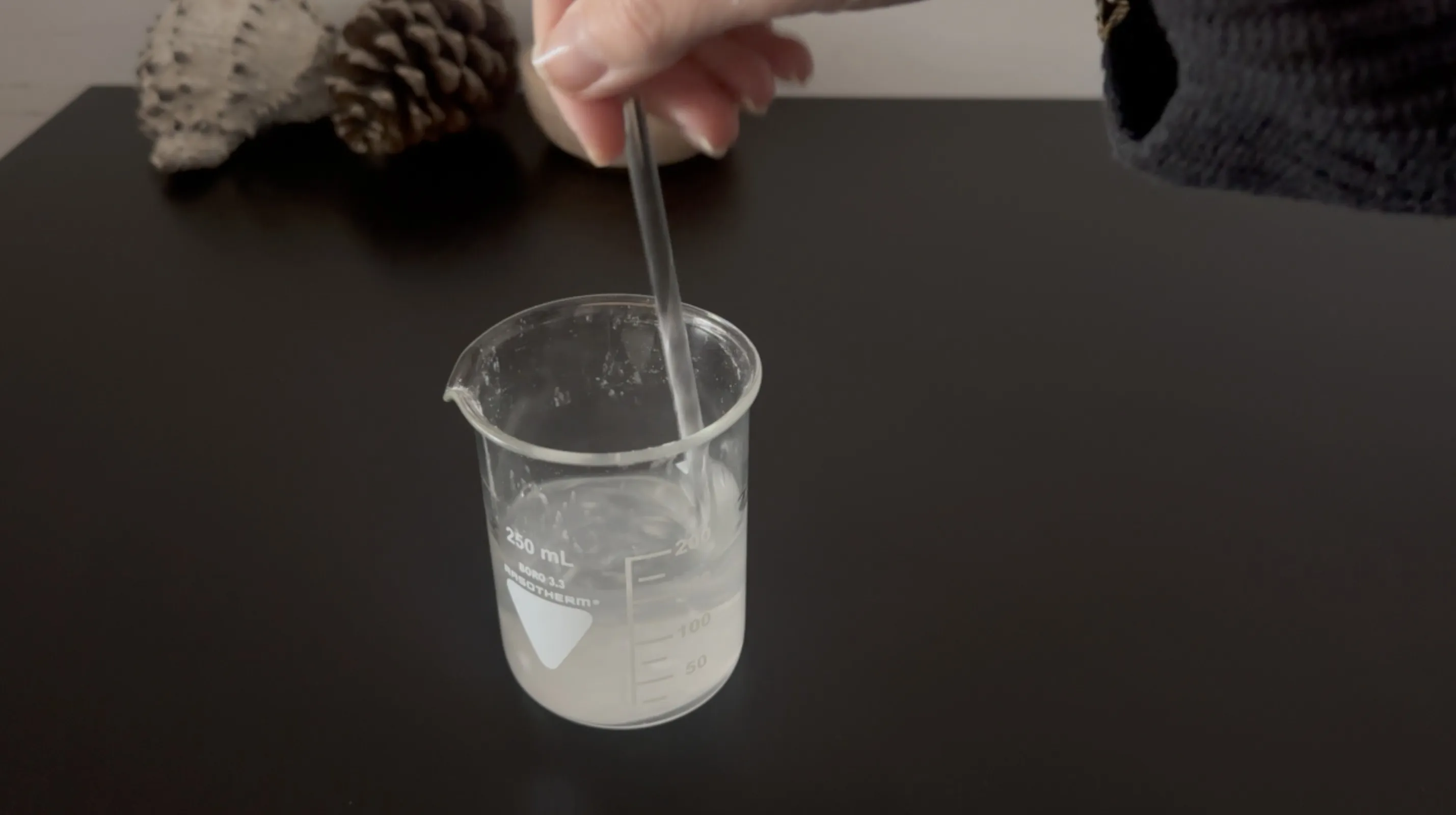
Add the preservative (Cosgard or your chosen preservative) and stir thoroughly to ensure even distribution.
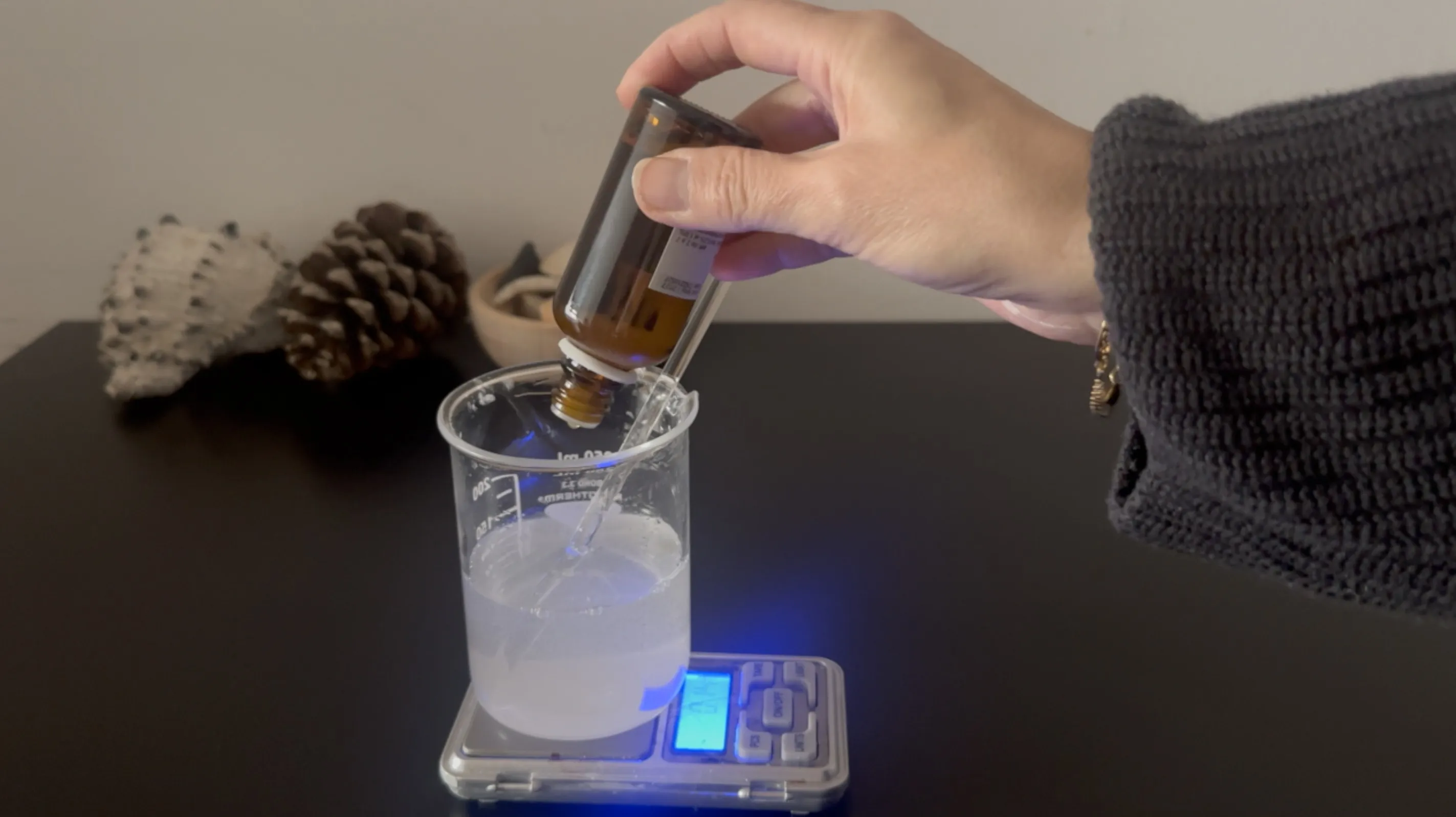
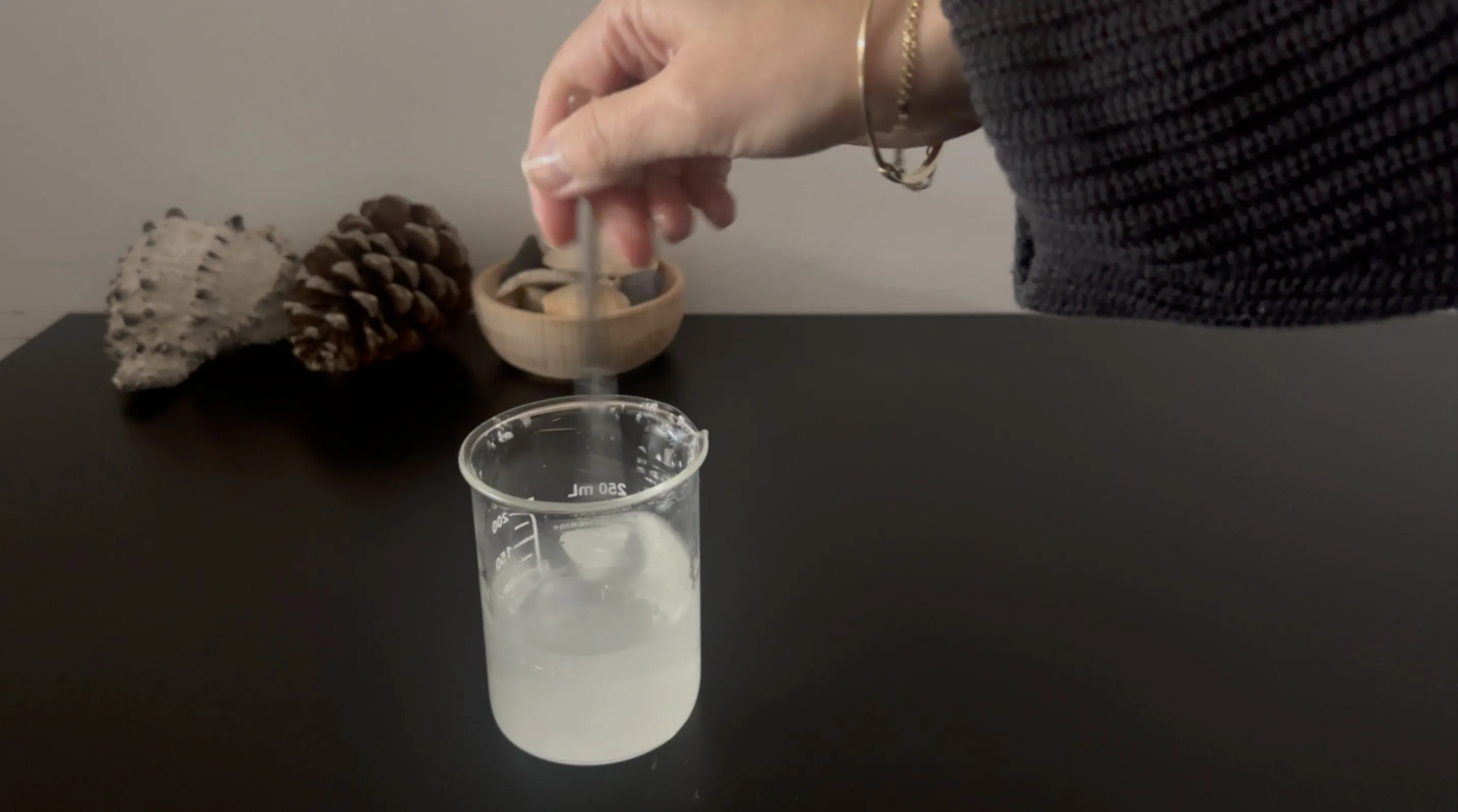
Check and adjust (if necessary) the pH to 5-6.0, which is optimal for ascorbyl glucoside stability and skin compatibility. Here you can find a post about pH adjustments.

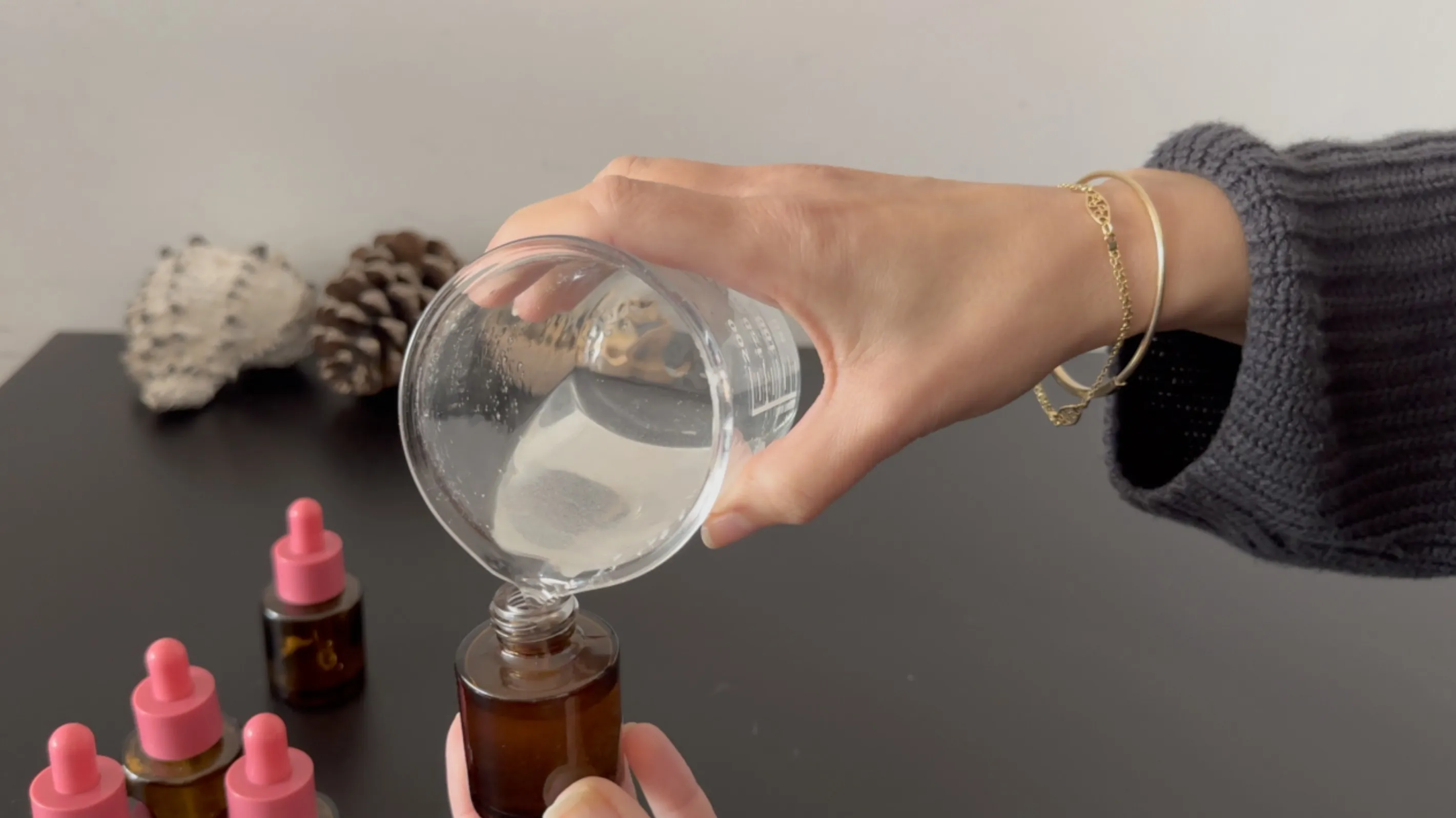
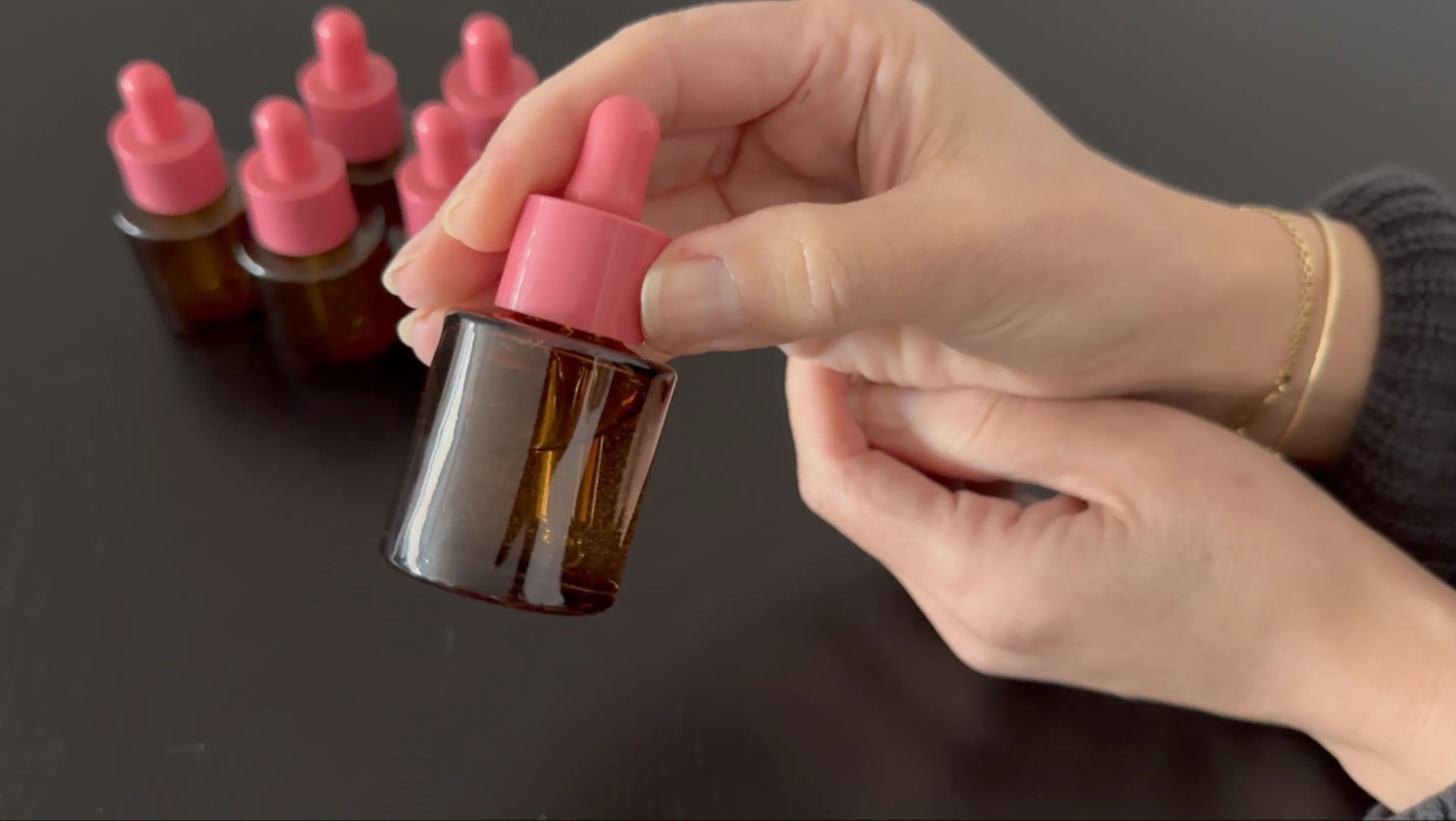
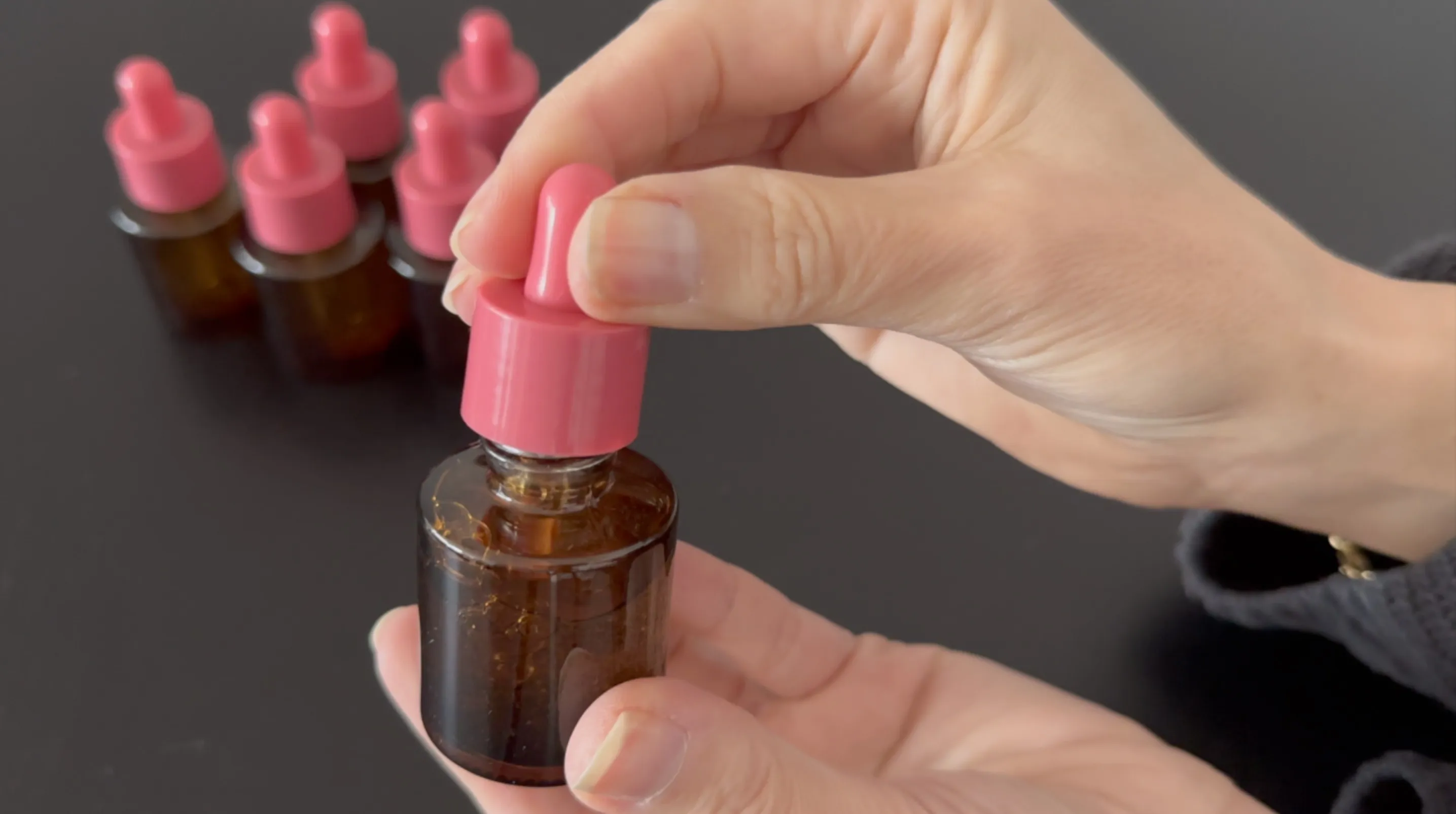
Allow the serum to rest for 6-8 hours to reach its final viscosity. Then transfer into a dark glass bottle for storage.
Ingredients Breakdown
Here is what each ingredient does and why it matters:
Ascorbyl Glucoside (8%) A stable vitamin C derivative. Helps brighten, support collagen, and protect against free radicals. Gentler than pure ascorbic acid. Works beautifully at pH 5-6. This is the active ingredient that makes the serum work.
Propanediol Humectant and solvent, improves skin feel and helps balance tackiness.
Alternatives:
- Glycerin (classic humectant, slightly sticky)
- Pentylene Glycol (good slip and moisture)
Propanediol is chosen here for a smooth, non-sticky feel.
Xanthan Gum Clear This ingredient helps keep the product from feeling too watery.
Sorbitol 70% Liquid Moisture-attracting humectant and helps smooth skin surface.
Alternatives:
- Glycerin
- Sodium PCA
Betaine Hydrating and soothing, helps reduce any potential stickiness, and is suitable for sensitive skin.
Alternatives:
- Sodium PCA (strong humectant)
- Panthenol (soothing, barrier-supporting)
Disodium EDTA Disodium EDTA is a chelating agent. It binds metal ions like calcium, magnesium, and iron that can destabilize Carbomer gels, reduce clarity, and interfere with preservatives. EDTA improves both stability and shelf life.
A Quick Note on Chelating Agents
Chelating agents are essential ingredients in many skincare formulations, including face creams and gels. Their main role is to bind and neutralize metal ions such as iron, calcium, and magnesium, which can be present in both water and raw materials.
These metal ions can negatively affect a formula in several ways. They can catalyze oxidation, leading to the degradation of sensitive ingredients like antioxidants, vitamins, and oils. Chelating agents prevent this by binding to the metals, helping to stabilize the formula and extend its shelf life. They also improve preservative performance, as metal ions can interfere with preservative systems if left unbound.
Without a chelating agent, metal contamination may cause a product to discolor, develop off-odors, or separate over time, resulting in a product that is less stable, less effective, and less pleasant to use.
What If You Don't Have a Chelating Agent?
When making DIY skincare products and a chelating agent isn't available, there are several steps you can take to reduce instability:
- Always use distilled water, which is free from mineral impurities.
- Choose high-quality materials that are less likely to contain metal contaminants.
- Add antioxidants such as vitamin E (for products with oils), green tea extract (water-based), or grapefruit extract (water-based). While these are not replacements for chelating agents, they help slow oxidation.
- Expect a shorter shelf life. When working without a chelator, it is best to make small batches and use the product within three months.
- Store the product in airtight, preferably dark containers, and protect it from heat and light.
- Regularly monitor the product's appearance, smell, texture, and pH. Any noticeable changes may indicate degradation.
If you are not using Disodium EDTA, add 0.1% to the distilled water to adjust the formula to 100%.
How to Use This Serum
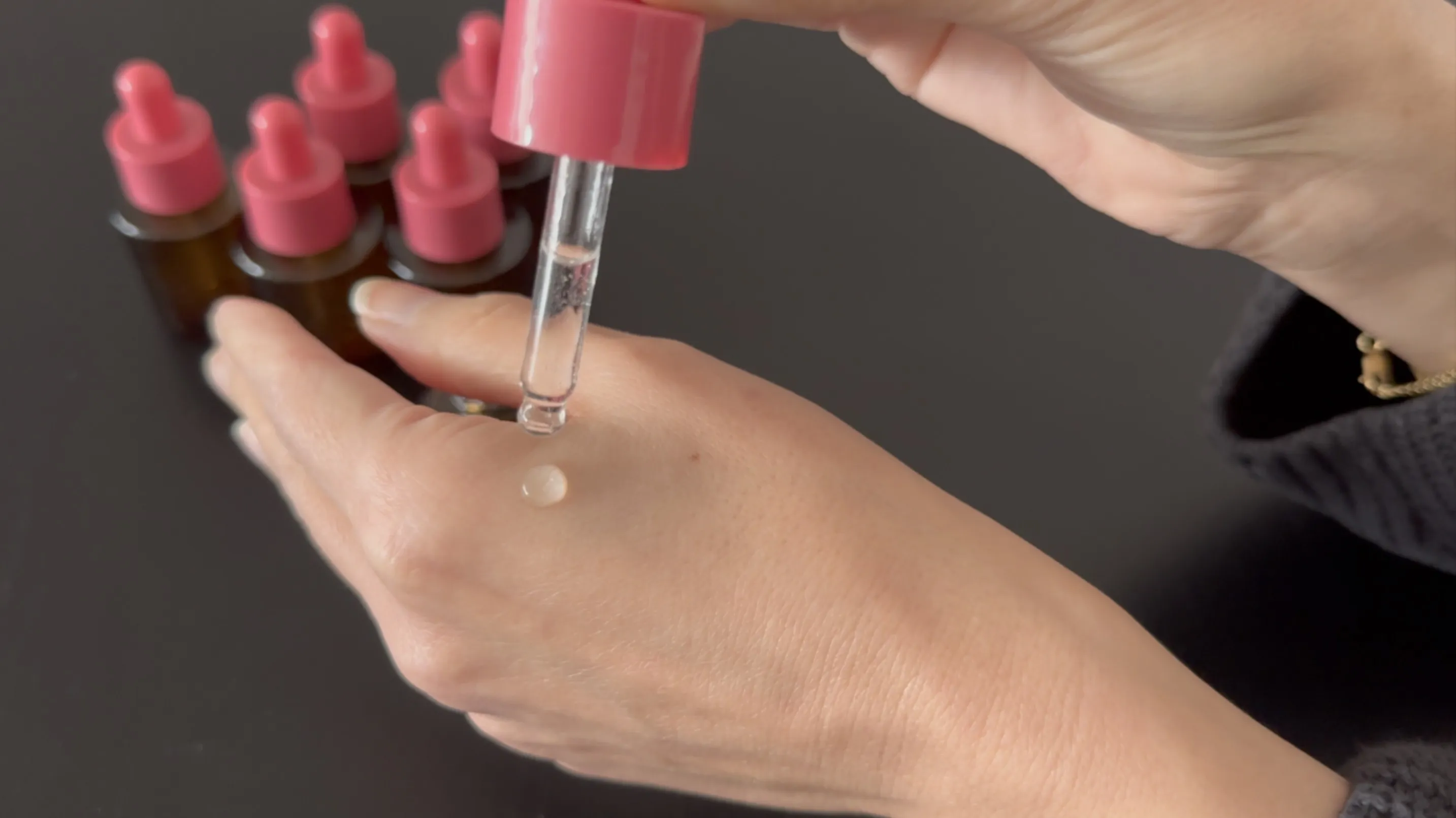
- Apply 2-3 drops on clean skin, once or twice daily
- Follow with moisturizer
- In the morning, use sunscreen (vitamin C + SPF)
Sun Exposure and Vitamin C
Vitamin C does not make skin more sensitive to the sun. Instead:
- It helps protect against UV-induced oxidative stress
- It works synergistically with sunscreen
- However, vitamin C is not a replacement for SPF
How to Store a Vitamin C Serum Properly
Correct storage is essential to keep a vitamin C serum effective over time. Avoid clear packaging when possible.
Store the serum in a drawer or cabinet, not on a windowsill or countertop.
Although Ascorbyl Glucoside is much more stable than pure ascorbic acid, all vitamin C forms can still degrade if exposed to unfavorable conditions such as light, air, heat, and contamination.
Protect It From Light
Light exposure can accelerate oxidation, even in stable vitamin C derivatives.
Use opaque or amber bottles.
Ascorbyl Glucoside tolerates light better than pure vitamin C, but protection still improves shelf life.
Minimize Air Exposure
Oxygen is one of the main causes of vitamin C degradation.
Choose airless pumps or bottles with a tight seal.
Keep the cap closed when not in use.
Avoid leaving the bottle open during application.
Airless packaging significantly extends the stability of vitamin C serums.
Store at a Cool, Stable Temperature
High temperatures speed up chemical reactions, including oxidation.
Store at room temperature (15-25 C / 59-77 F).
Keep away from radiators, windows, and heat sources.
Ascorbyl Glucoside does not require refrigeration, but cooler storage can slightly extend shelf life.
Avoid Moisture and Contamination
Introducing water, bacteria, or residue into the bottle can compromise preservation.
Best practice:
- Apply the serum with clean hands
- Do not touch the dropper or pump directly to the skin
- Do not dilute the product after formulation
Monitor Color, Smell, and Texture
Vitamin C degradation is often visible.
Discard the serum if you notice:
- Significant color change (yellowing or browning)
- Unusual odor
- Separation or texture changes not present initially
Ascorbyl Glucoside serums usually remain clear and stable longer than ascorbic acid serums, but visual checks are still important.
Which creams / face moisturizers go well with vitamin C serum?
When using a vitamin C serum, especially one based on Ascorbyl Glucoside, it is best to pair it with moisturizers that focus on hydration, barrier support, and skin comfort rather than strong actives.
Using a vitamin C serum together with a ceramide-based face cream is one of the best pairings you can make in a skincare routine, especially when the vitamin C is in a gentle, stable form like Ascorbyl Glucoside.
Ceramides are natural lipids found in the skin barrier. They help strengthen and repair the skin's protective layer, reduce transepidermal water loss, and improve overall skin resilience. Vitamin C works mainly on brightness, antioxidant protection, and collagen support, but it does not replace barrier lipids. When you apply a ceramide cream after vitamin C, the ceramides help lock in hydration, minimize any potential dryness or sensitivity, and allow the skin to tolerate active ingredients more comfortably over time.
Ideal creams and lotions are those containing humectants like hyaluronic acid, glycerin, betaine, or panthenol, which help lock in moisture and reduce any potential dryness or tightness, as well as ceramide-rich formulas that strengthen the skin barrier and improve tolerance over time. Lightweight emollients such as squalane, jojoba oil, or caprylic/capric triglycerides work well to soften the skin without clogging pores, making them suitable for daily use on most skin types. It is best to avoid layering vitamin C at the same time as strong exfoliating acids or retinoids, which can increase irritation; instead, alternate them between morning and evening routines. In the morning, always finish with a broad-spectrum sunscreen, as vitamin C enhances antioxidant protection but does not replace UV protection.
As always, perform a patch test before regular use. If you have sensitive skin, a skin condition, or any medical concerns, consult your healthcare provider before introducing a new skincare product.