Come join the forum, ask questions, learn from others, and share your own knowledge with the community.
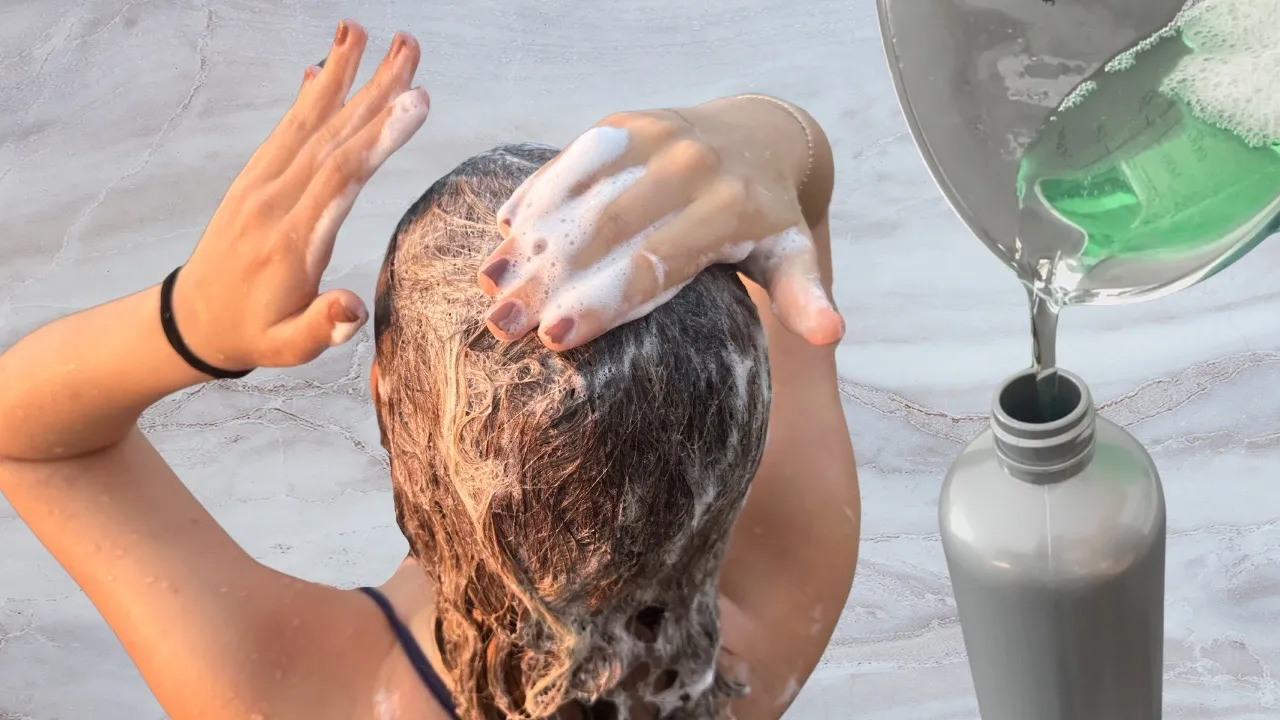
This shampoo is designed as a gentle yet effective cleansing formula built around a balanced surfactant system that removes buildup without stripping the hair, while conditioning ingredients like hydrolyzed keratin and panthenol help support softness, hydration, and manageability, making it suitable for regular use and more colour-friendly than harsher formulas, and with its simple, silicone-free structure it provides a clean, fresh feel while still being easy to customize with different extracts or hydrosols depending on your needs.
You can support this website through the Buy Me a Coffee platform. Your donation helps me continue creating free formulas, detailed written posts, tutorials, and educational content for anyone who wants to learn how to make their own cosmetic products.
Running the website takes time and effort, from researching ingredients and testing formulas to writing posts, filming videos, editing content, and maintaining the site. Even a small donation helps support this work and allows me to keep sharing useful content for free.
If you find the website helpful and want to support future formulas and tutorials, you can donate through Buy Me a Coffee. Your support is truly appreciated.
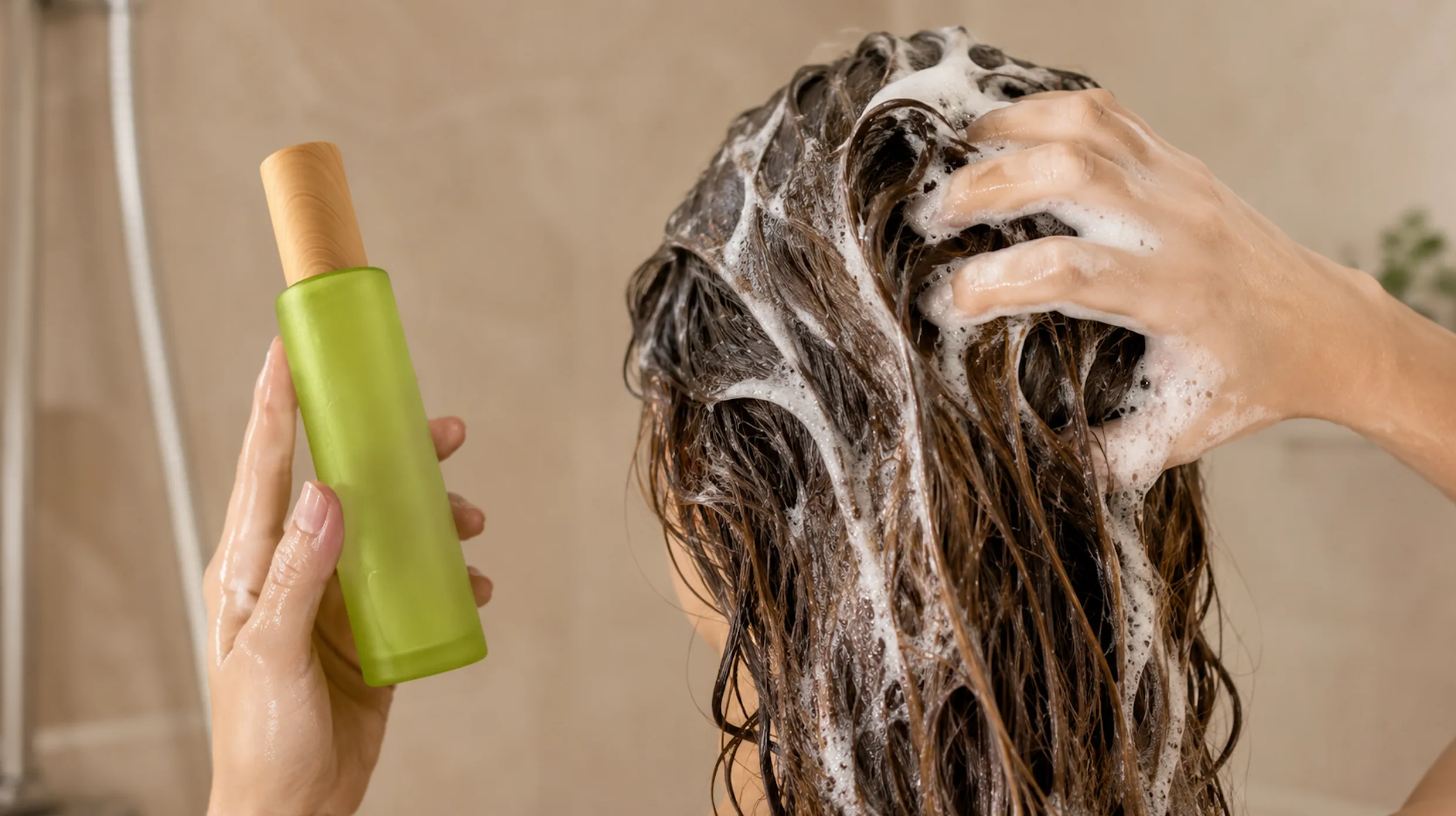
This formula is SLS-free, meaning it does not contain Sodium Lauryl Sulfate, which is known for its strong cleansing power but also for stripping the hair of its natural oils and accelerating colour fading. Instead, this shampoo uses SCS balanced with coco betaine, which creates a milder cleansing system. While SCS is still a sulfate, the overall system is softer and less aggressive than traditional SLS-based shampoos.
Because of this balance, the formula cleans effectively without over-stripping the hair fiber, which is one of the main causes of colour loss. Hair dye molecules sit inside the hair shaft, and harsh cleansers can cause them to wash out more quickly. By using a milder surfactant system, this formula helps reduce that effect and makes it more suitable for colour-treated hair compared to stronger shampoos.
In addition, ingredients like propanediol, glycerin, and panthenol help maintain moisture in the hair, keeping the cuticle smoother. A smoother cuticle reflects light better and helps retain colour pigments inside the hair for longer.
The inclusion of hydrolyzed keratin also supports the structure of the hair, helping reinforce the hair fiber and reduce damage, which indirectly helps preserve colour vibrancy.
Overall, while this is still a cleansing shampoo, the combination of milder surfactants and conditioning ingredients helps make it more colour-friendly, reducing fading compared to harsher, SLS-based formulas.
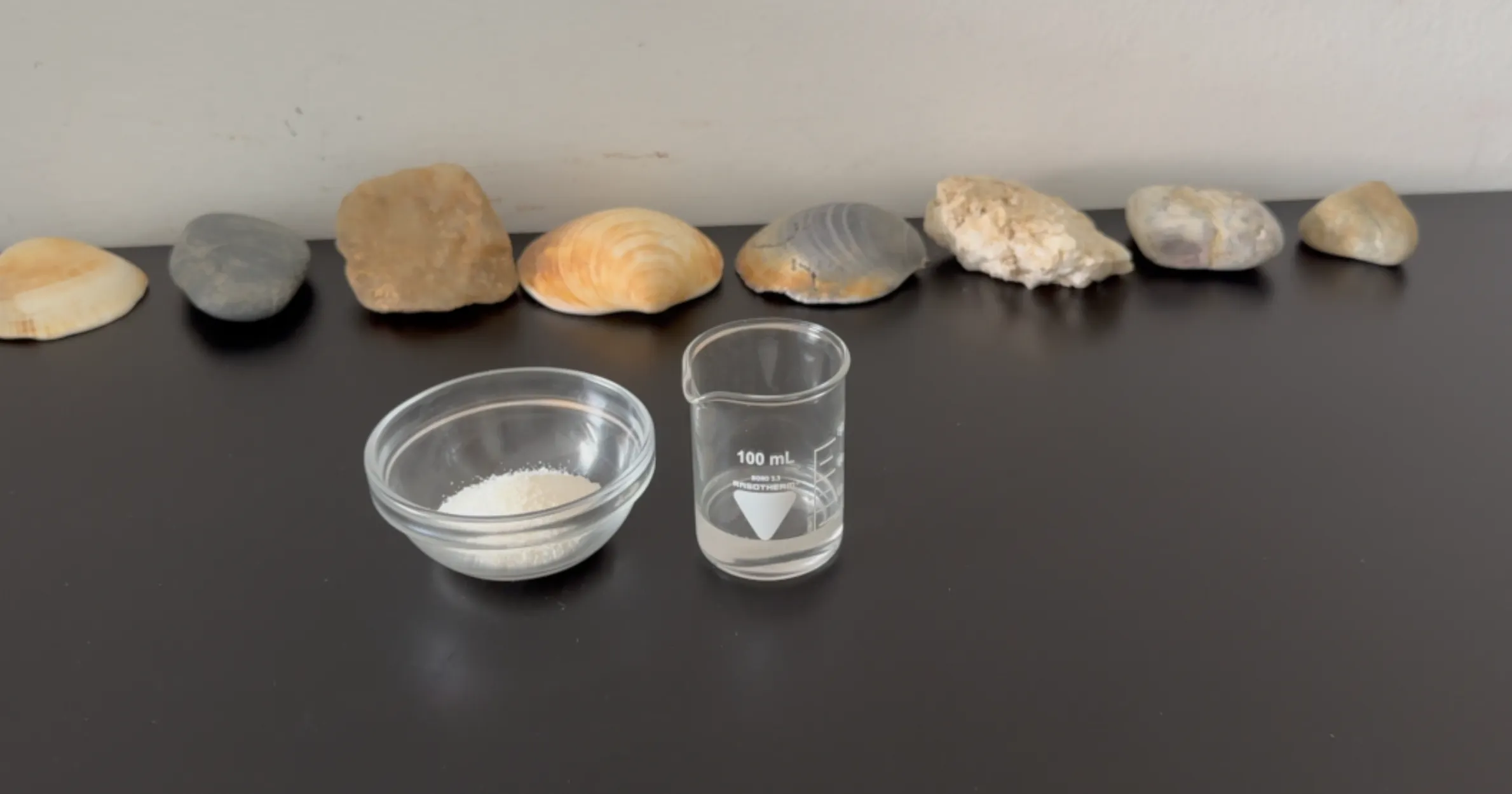
Consistency of this shampoo
In this formula, the consistency remains fluid rather than forming a true gel because there are no dedicated thickening agents like gums or carbomer; instead, the slightly thicker, less watery texture comes from the way the surfactants organize themselves in water, as SCS and coco betaine form tiny structures called micelles, and when an anionic surfactant like SCS is combined with an amphoteric surfactant like coco betaine, these micelles can grow, interact, and create a more structured liquid network that slows down how easily the product flows, giving the shampoo a more cushioned and slightly viscous feel while still keeping it pourable, spreadable, and able to foam properly without clogging the bottle or affecting performance.
The final texture is expected to be a fluid to lightly viscous shampoo, not a thick gel. Viscosity may increase slightly after 24 hours as the surfactant system settles, but if a thicker shampoo is desired, a compatible thickener would need to be added and tested.
Sodium Coco-Sulfate (SCS)
Sodium Coco-Sulfate (SCS) is a primary cleansing surfactant derived from coconut oil. It belongs to the same family as sulfates, but instead of being a single, highly refined molecule like SLS, it is a mixture of fatty alcohol sulfates coming from coconut-derived fatty acids. This gives it a slightly broader profile in terms of chain lengths, which affects how it behaves in formulations.
SCS is produced by taking fatty alcohols from coconut oil and reacting them to create sulfate-based surfactants. Because of this, it is often marketed as a more "natural-origin" alternative to synthetic sulfates, although chemically it still functions as a strong anionic surfactant.
In a shampoo, SCS is responsible for:
- removing oil, dirt, and buildup from the scalp and hair
- creating foam
- giving the "clean" feeling after rinsing
It is a very effective cleanser, which is why it is commonly used in solid shampoos, cleansing bars, and stronger liquid cleansers.
SCS vs SLS vs SLES
It's useful to understand how SCS compares to other common sulfates:
SLS (Sodium Lauryl Sulfate)
- single, highly defined molecule
- very strong cleanser
- high irritation potential
- very efficient foam
SLES (Sodium Laureth Sulfate)
- ethoxylated version of SLS
- milder than SLS
- more commonly used in commercial shampoos
- smoother skin feel
SCS (Sodium Coco-Sulfate)
- mixture of sulfates from coconut
- still a strong cleanser, similar to SLS in performance
- slightly more variable behavior due to mixed composition
- often perceived as more "natural," but functionally still a sulfate cleanser
In practice, SCS behaves closer to SLS than to SLES, so it should always be balanced with milder surfactants like betaine.
Because SCS has strong cleansing power, it is best suited for oily scalps, normal hair that needs a deeper cleanse, or hair with product buildup, but it may feel too harsh on its own for very dry, damaged, bleached hair or sensitive scalps, which is why this formula combines it with coco betaine to reduce irritation, soften the cleansing effect, and create a more balanced shampoo.
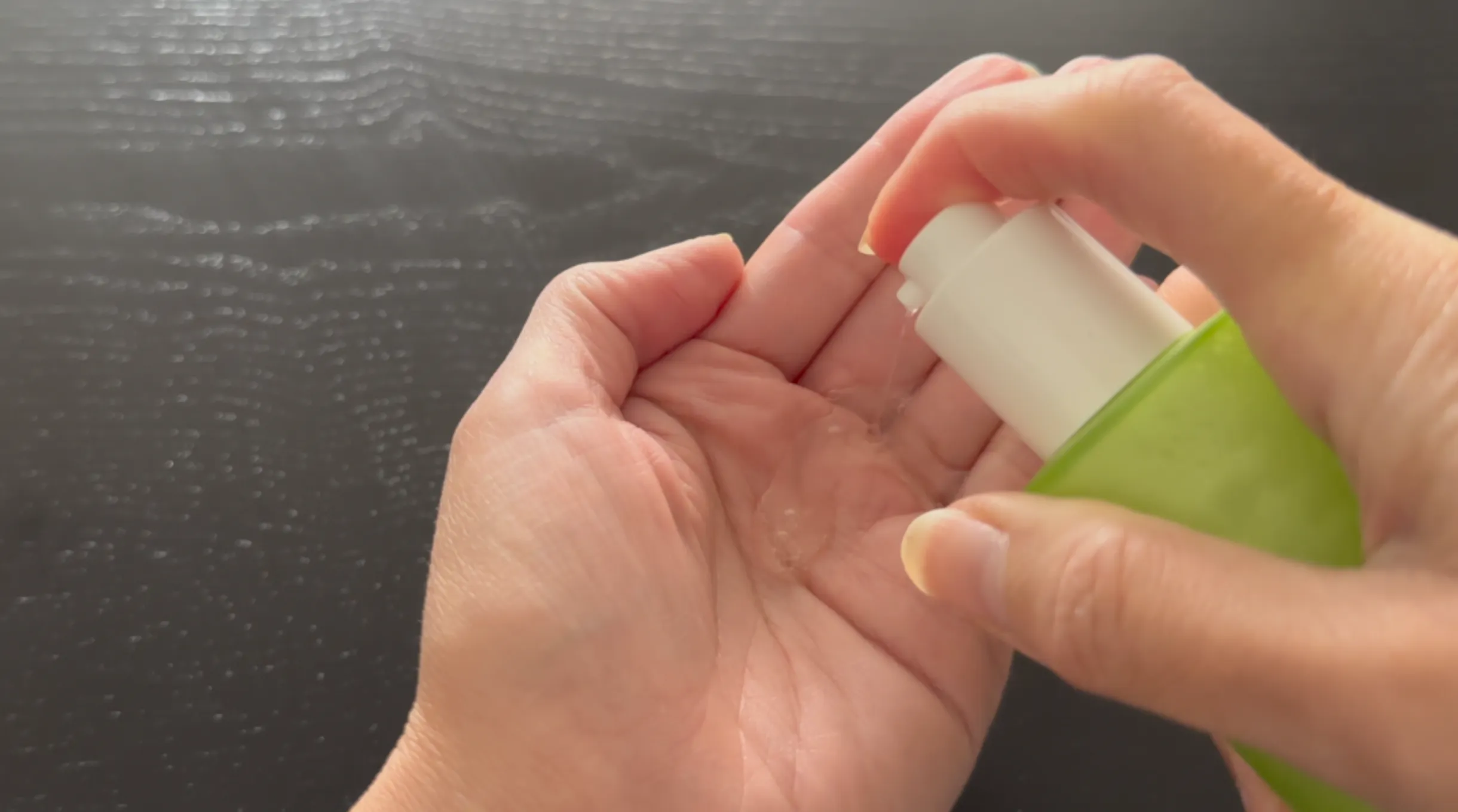
How to Dissolve SCS Properly
SCS in powder form can be tricky to work with because it does not dissolve easily at room temperature and can recrystallize if not handled correctly.
To dissolve it properly:
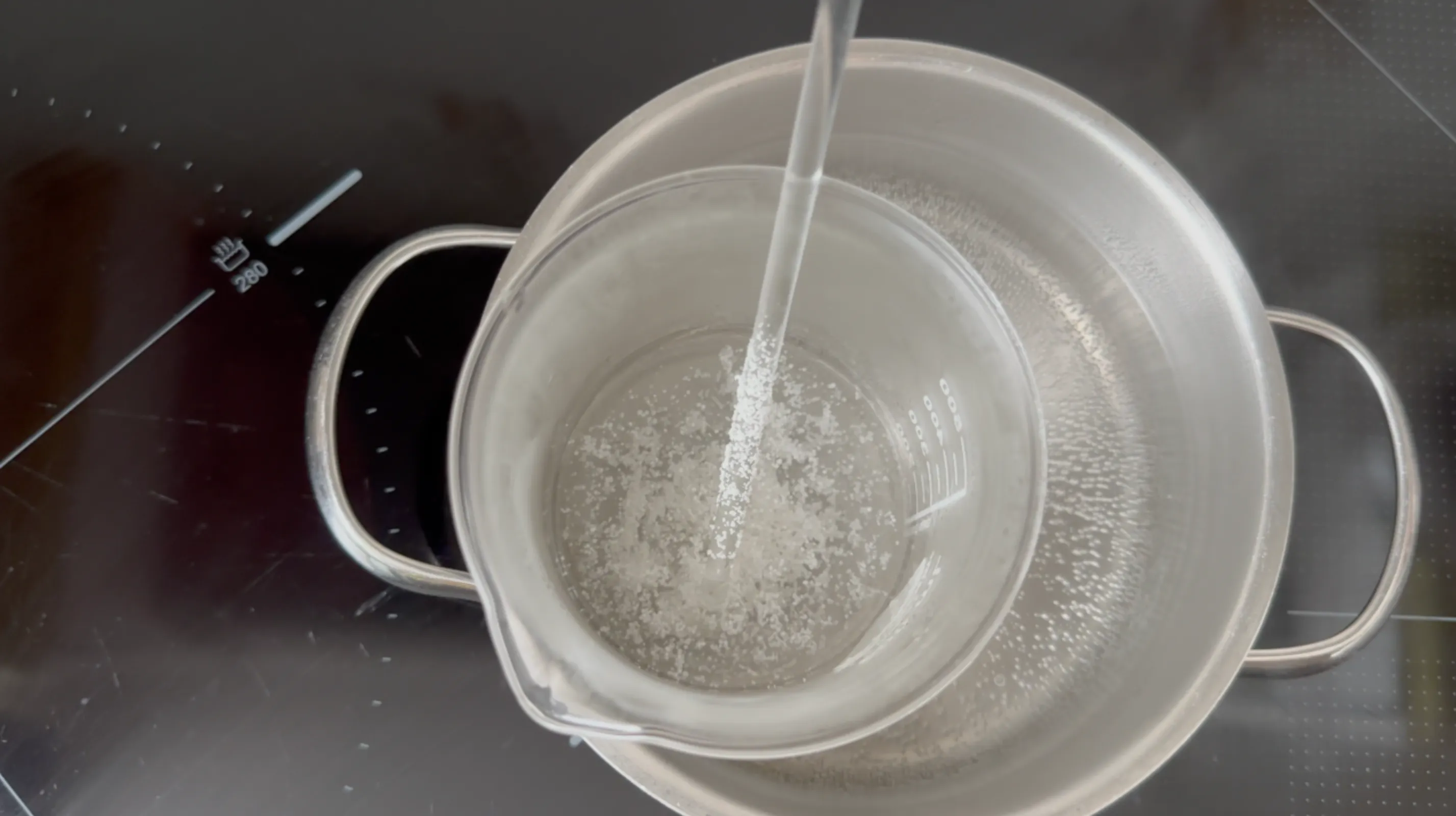
- Add SCS slowly to the water phase.
- Heat the mixture to around 75–80°C.
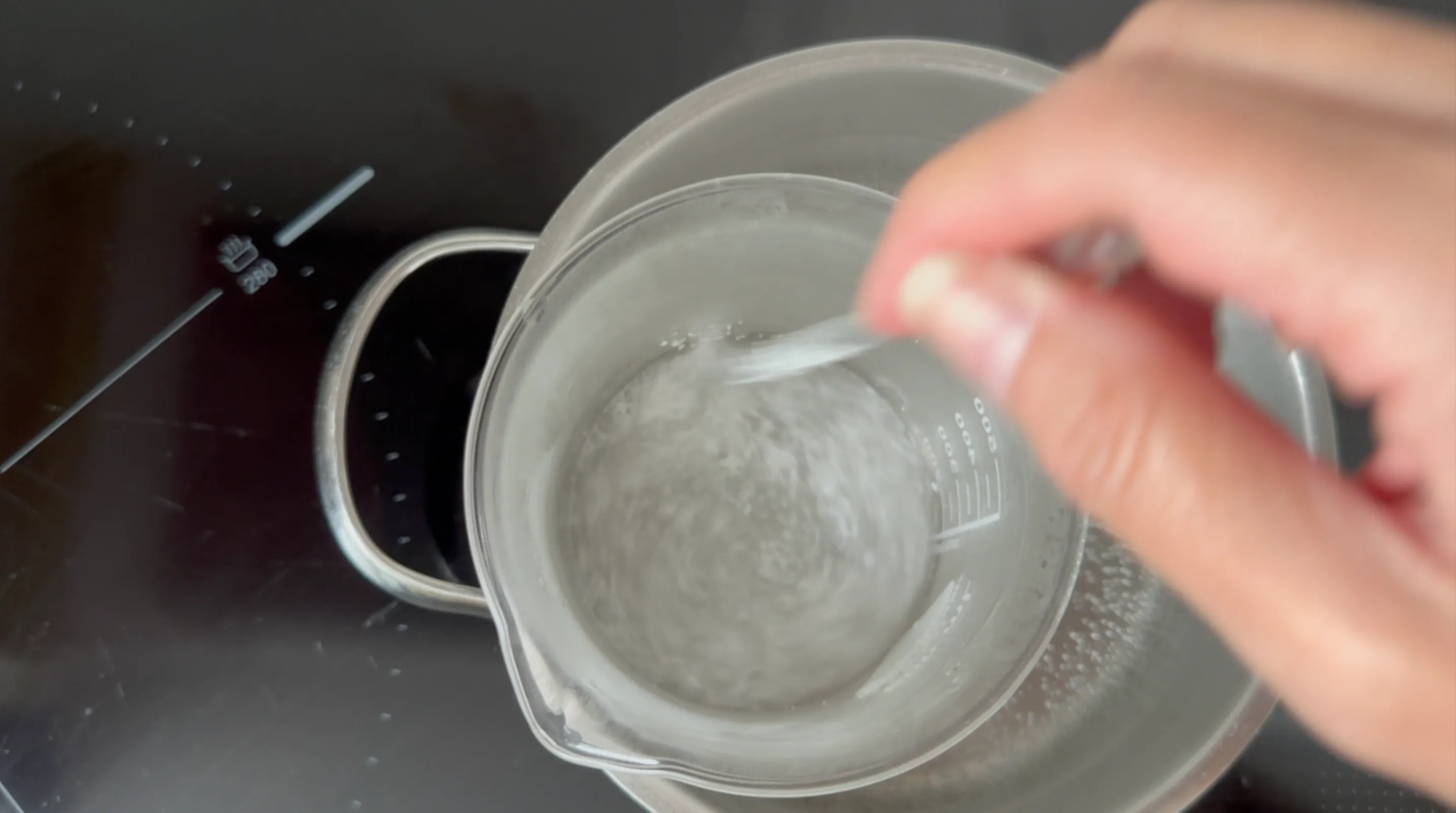
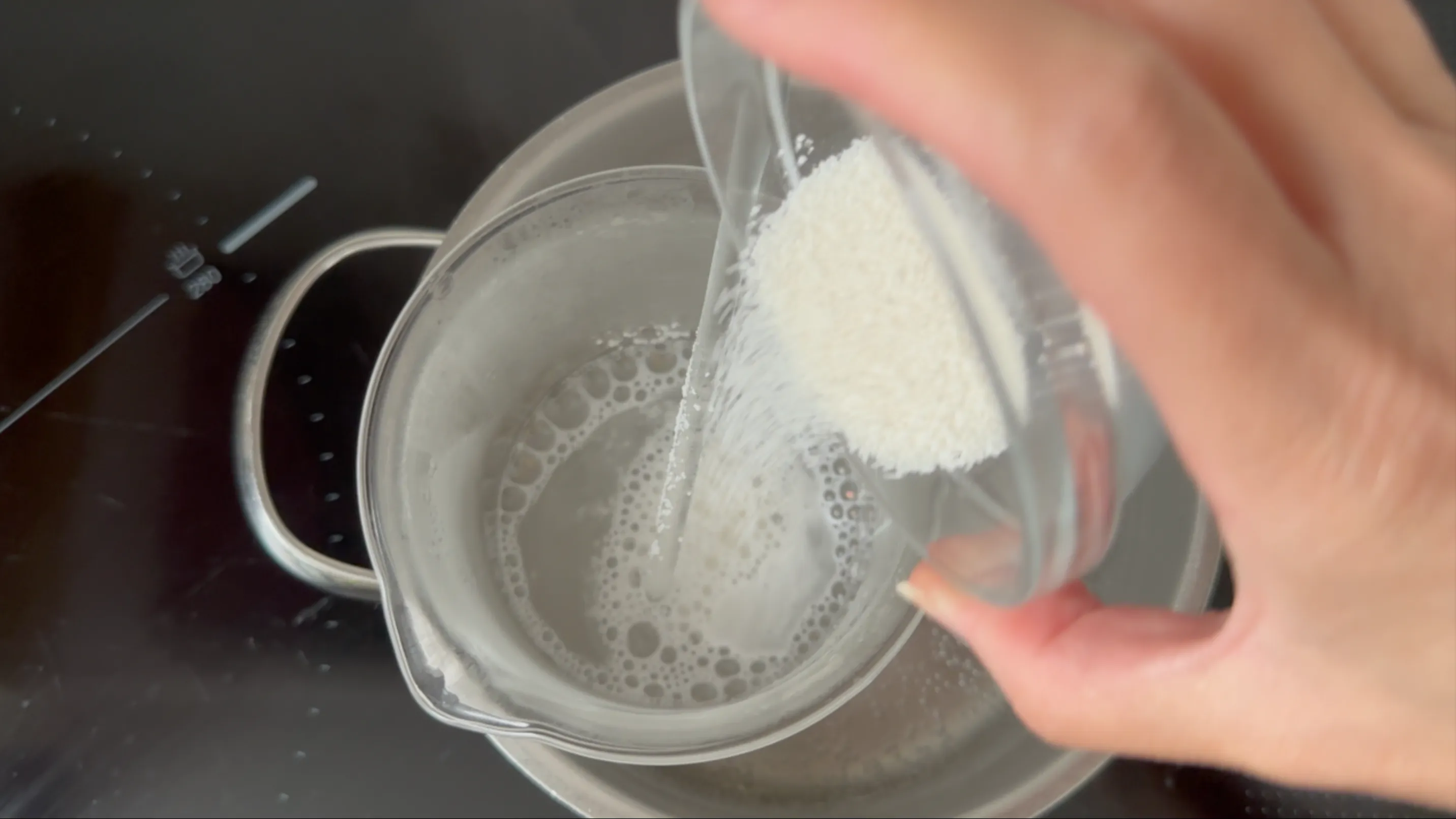
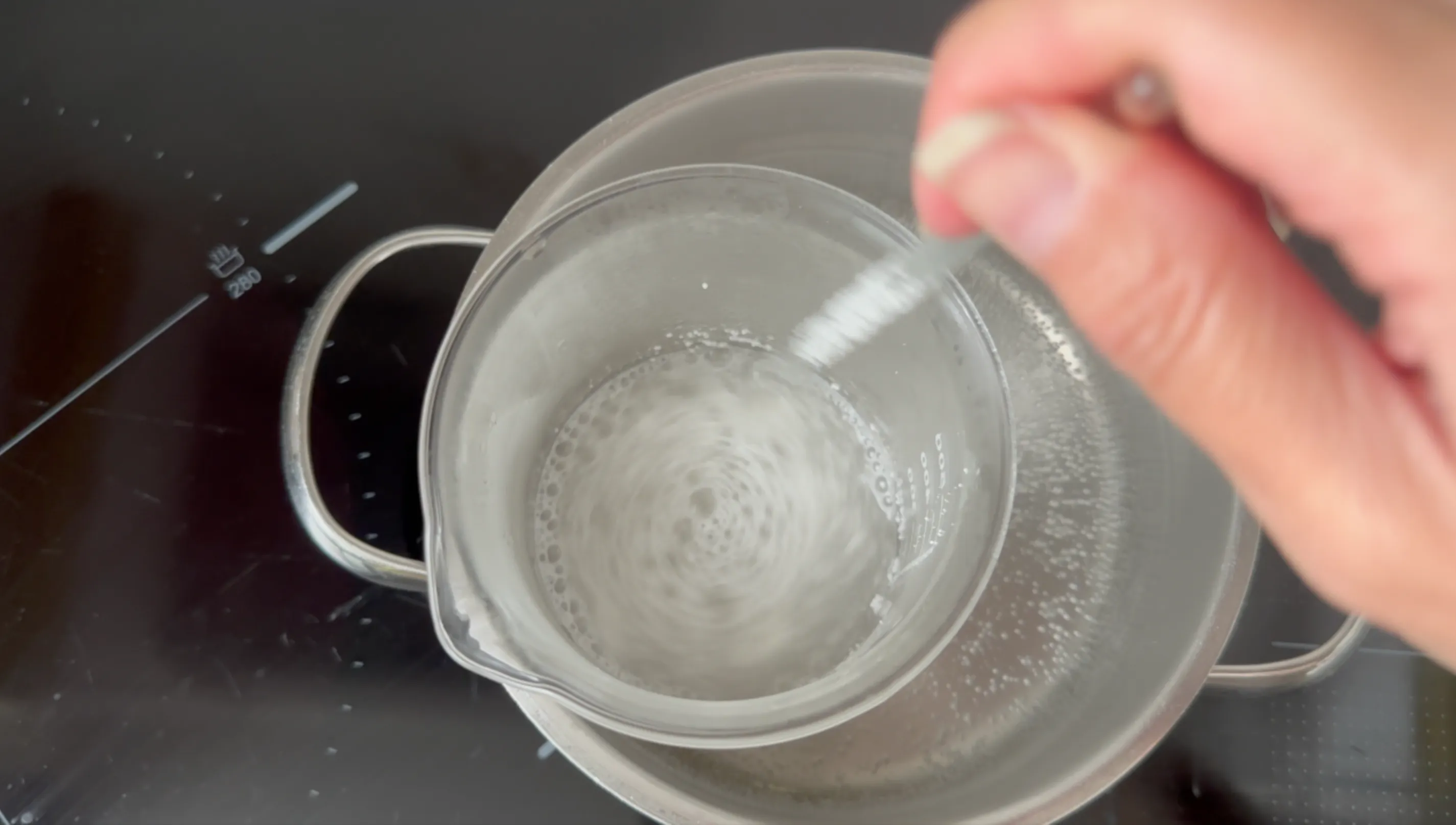
- Stir continuously until the solution becomes fully uniform. Stir continuously while heating, SCS needs heat + movement.
- Make sure there are no visible particles or undissolved material.
Why Add Coco Betaine After
Once SCS is fully dissolved, coco betaine is added. This is important because:
- betaine helps stabilize the surfactant system
- reduces irritation
- improves foam quality
Adding it after SCS has dissolved ensures the system forms properly and prevents instability.
pH of this product
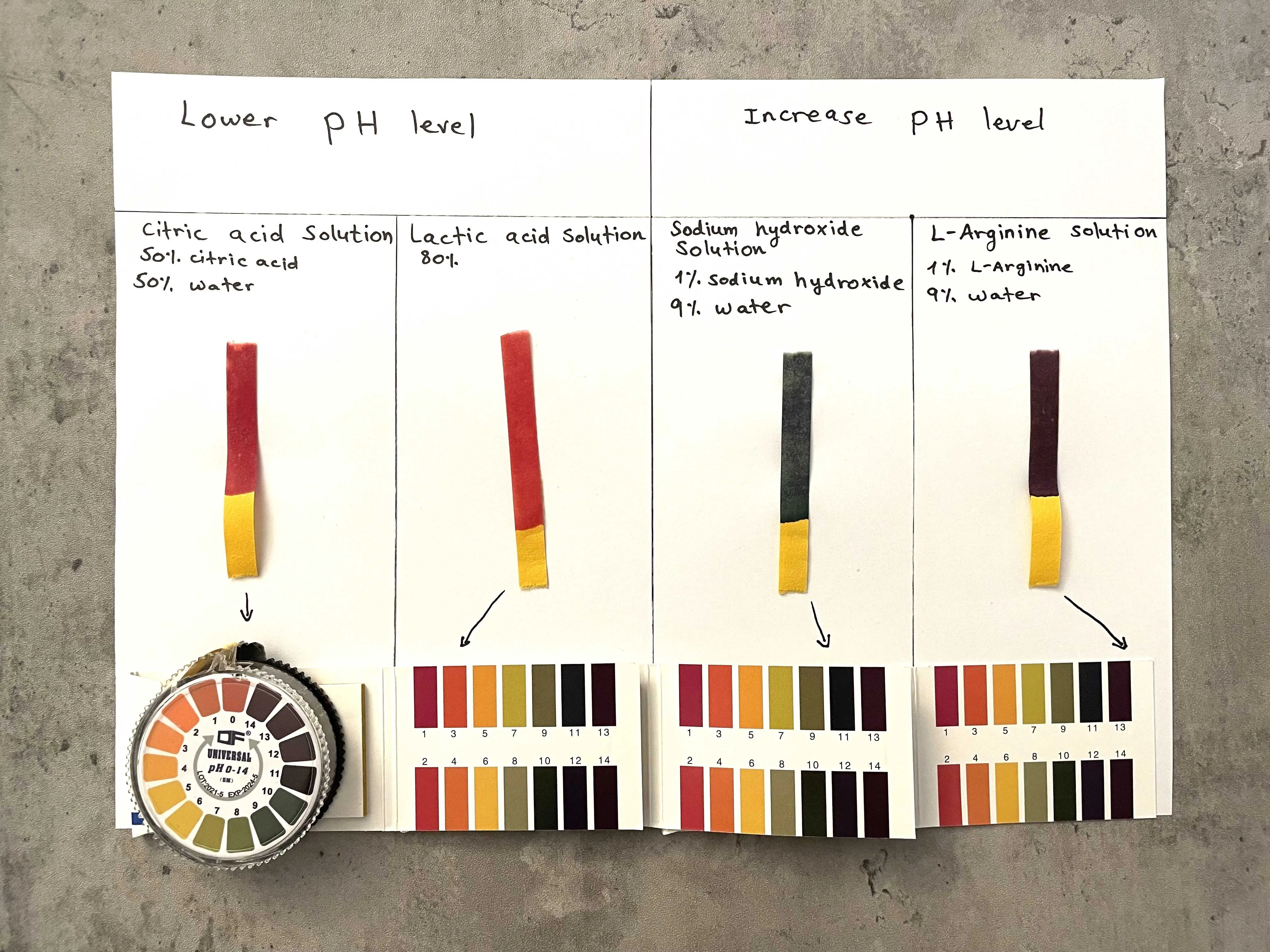
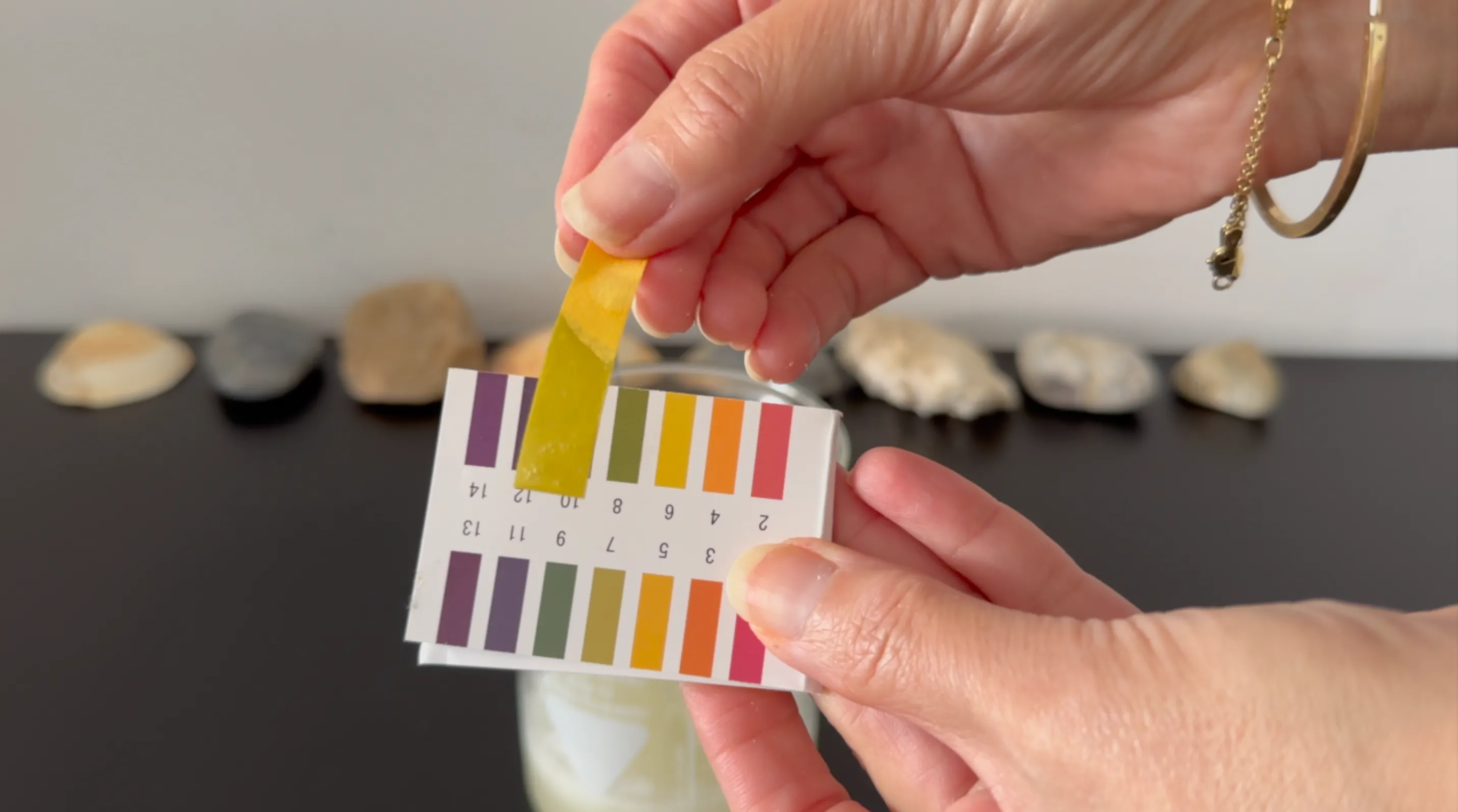
The final pH of this shampoo is set to around 5.0, and this is not random.
Hair and scalp naturally sit in a slightly acidic range, typically around 4.5–5.5. Keeping the shampoo within this range helps maintain the natural balance of the scalp and supports the integrity of the hair fiber.
At this pH:
- the hair cuticle stays smoother and more closed, which improves shine and reduces frizz
- the scalp is less likely to become irritated or disrupted
- the cleansing system remains effective but not overly harsh
- the preservative system works properly
If the pH is too high, the hair can feel rough and dry, and the cuticle can lift, leading to dullness and frizz. If it is too low, the formula may become irritating or unstable depending on the ingredients.
This slightly acidic pH is what makes the shampoo feel balanced, gentle, and suitable for regular use.
Ingredient Breakdown and Alternatives
SCS (Sodium Coco-Sulfate)
SCS is the primary cleansing agent. It removes oil, buildup, and impurities and creates strong foam. It is derived from coconut fatty alcohols and behaves similarly to SLS, although it is a mixture of molecules rather than a single one.
It is effective but can be drying or irritating if used alone, which is why it must be balanced.
Alternatives
SCI
Much milder, creamier foam, less stripping. Difference: less cleansing power, more conditioning feel.
SLSA
Still good foam but softer than SCS. Difference: slightly gentler, but still strong.
Coco Betaine
Coco betaine is an amphoteric surfactant that reduces irritation, improves foam texture, and stabilizes the surfactant system.
It also contributes to viscosity through interaction with SCS.
Alternatives
Cocamidopropyl Betaine
Very similar function. Difference: almost identical performance, most direct replacement.
Sodium Olivamphoacetate
Milder and more conditioning. Difference: less foam, softer skin feel.
Glycerin
Glycerin provides hydration and prevents dryness caused by cleansing.
Alternatives
Betaine Less sticky, softer feel.
Sodium PCA (0.3%) Stronger humectant. Difference: used at lower % and can feel slightly tacky. If you use Sodium PCA use 0.3% and add the difference of 2.7% to the distilled water.
Propanediol
Propanediol is a multifunctional ingredient derived from plant sources (usually corn fermentation) and is widely used in water-based formulations for its ability to improve both performance and sensory feel.
In this formula, propanediol plays several important roles. It acts as a humectant, helping attract and retain moisture, which prevents the hair and scalp from feeling dry after cleansing. It also works as a solvent, meaning it helps dissolve and evenly distribute certain ingredients in the formula, especially extracts and actives. In addition, propanediol improves the overall skin feel by reducing the stickiness that can come from glycerin, making the shampoo feel lighter and more pleasant during use.
Another benefit is that propanediol can slightly support the preservative system and improve the stability of the formula, especially in water-based products like this one.
Alternatives
Pentylene Glycol
Pentylene glycol can be used at 3–5% as a close alternative to propanediol because it also works as a humectant and solvent, but it gives a slightly silkier, less sticky feel and can help boost the preservative system, making the shampoo feel smoother and potentially more stable over time.
Butylene Glycol
Butylene glycol can be used at 3–5% as an alternative to propanediol, providing hydration and helping disperse ingredients while giving a lighter, more fluid texture, but compared to propanediol it feels less conditioning, offers little to no preservative support, and results in a simpler formula with a slightly lighter feel and less reduction of tackiness.
Disodium EDTA
Disodium EDTA is a chelating agent. It binds metal ions from water or raw materials, helping improve formula stability and preservative performance.
This is especially helpful in water-based cleansers because metal ions can interfere with preservation, affect color, and reduce stability over time.
Alternatives
Sodium Phytate is a more natural-style chelator and can be used if you want a more natural positioning. It is usually weaker than EDTA.
Sodium Phytate is a plant-derived chelating agent, usually sourced from rice or corn, and is often used in formulas that aim for a more natural positioning.
At around 0.1–0.3%, it helps bind metal ions and improve stability, but it is generally less powerful than EDTA, so it works best in simpler formulas like this one where the system is not heavily stressed.
GLDA is a biodegradable chelating agent derived from natural amino acids and is often considered a modern alternative to EDTA.
At 0.1–0.3%, it provides stronger chelating performance, closer to EDTA, making it a better option if you want improved long-term stability.
A Quick Note on Chelating Agents
Chelating agents are essential ingredients in many skincare formulations, including face creams and gels. Their main role is to bind and neutralize metal ions such as iron, calcium, and magnesium, which can be present in both water and raw materials.
These metal ions can negatively affect a formula in several ways. They can catalyze oxidation, leading to the degradation of sensitive ingredients like antioxidants, vitamins, and oils. Chelating agents prevent this by binding to the metals, helping to stabilize the formula and extend its shelf life. They also improve preservative performance, as metal ions can interfere with preservative systems if left unbound.
Without a chelating agent, metal contamination may cause a product to discolor, develop off-odors, or separate over time, resulting in a product that is less stable, less effective, and less pleasant to use.
What If You Don't Have a Chelating Agent?
When making DIY skincare products and a chelating agent isn't available, there are several steps you can take to reduce instability:
- Always use distilled water, which is free from mineral impurities.
- Choose high-quality materials that are less likely to contain metal contaminants.
- Add antioxidants such as vitamin E (for products with oils), green tea extract (water-based), or grapefruit extract (water-based). While these are not replacements for chelating agents, they help slow oxidation.
- Expect a shorter shelf life. When working without a chelator, it is best to make small batches and use the product within three months.
- Store the product in airtight, preferably dark containers, and protect it from heat and light.
- Regularly monitor the product's appearance, smell, texture, and pH. Any noticeable changes may indicate degradation.
If you are not using Disodium EDTA, add 0.1% to the distilled water to adjust the formula to 100%.
Hydrolyzed Keratin
Hydrolyzed keratin is a protein-based conditioning ingredient that comes from breaking down keratin into smaller molecules so it can interact with the hair surface. Keratin is the main structural protein in hair, so even though topical keratin doesn't "rebuild" the hair internally, it can temporarily reinforce and smooth the outer layer (cuticle).
In this formula, hydrolyzed keratin helps:
- improve softness and smoothness
- reduce roughness after washing
- give a slightly stronger, more "conditioned" feel
- improve manageability and reduce frizz
It works by forming a light film on the hair, which fills in small irregularities along the cuticle, making the hair feel more even and less damaged.
It is especially useful for:
- dry or damaged hair
- chemically treated hair
- hair that feels rough after washing
At around 1–3%, it gives a noticeable effect without making the hair feel heavy or coated.
Alternatives
Hydrolyzed Silk Silk proteins are known for giving a smoother, softer, and shinier finish. They form a very light film that reflects light well, making hair appear more glossy.
Hydrolyzed Wheat Protein Wheat protein adds a slightly different effect. It can help increase volume and thickness perception, making hair feel fuller.
Panthenol (Pro-vitamin B5)
Panthenol is a water-soluble conditioning ingredient that acts as both a humectant and a film-former. Once applied, it helps attract and retain moisture in the hair and scalp.
In this formula, panthenol helps:
- reduce dryness caused by cleansing
- improve softness and flexibility
- add slight shine
- make hair easier to comb and manage
It also has a light soothing effect on the scalp, which is useful in formulas that contain stronger cleansers like SCS.
At typical levels of 1–3%, panthenol improves the overall feel of the shampoo without making it heavy or oily.
Alternatives
Niacinamide Niacinamide works more on the scalp rather than the hair fiber. It helps regulate oil production, support the skin barrier, and improve overall scalp condition.
Difference:
- Panthenol → hydration + softness of hair
- Niacinamide → scalp balance and oil control
- Niacinamide does not condition the hair as much
Aloe Extract Aloe provides hydration and soothing benefits, especially for sensitive or irritated scalps. It is lighter than panthenol and more focused on comfort.
Difference:
- Panthenol → more conditioning and smoothing
- Aloe → more soothing and refreshing
- Aloe has less impact on hair feel after drying
Licorice Extract
Licorice extract is a multi-functional botanical active known for its strong calming and skin-balancing properties. It contains compounds like glabridin and glycyrrhizin, which help reduce inflammation and support a more even skin tone.
In this shampoo, licorice extract mainly works on the scalp, not the hair fiber. It helps:
- reduce irritation caused by cleansing
- calm redness and sensitivity
- support a more balanced scalp environment
- improve overall comfort during and after washing
It is especially useful in formulas that include stronger surfactants like SCS, because it helps offset potential irritation and makes the shampoo feel more gentle.
At around 1–3%, it provides noticeable soothing benefits without affecting the texture or foam of the formula.
Alternatives
Green Tea Extract Green tea is rich in antioxidants (catechins) and helps protect the scalp from environmental stress and oxidative damage.
Difference:
- Licorice → more calming + brightening + anti-inflammatory
- Green tea → more antioxidant + protective
- Green tea is slightly less targeted for irritation but better for long-term scalp health
Chamomile Extract Chamomile is a classic soothing ingredient, known for reducing irritation and sensitivity.
Difference:
- Licorice → calming + brightening
- Chamomile → more gentle soothing and anti-redness
- Chamomile feels softer and more "comfort-focused," but less active overall
Centella Extract
Centella (Centella asiatica) is a repair-focused botanical active that supports skin regeneration and barrier function. It contains compounds like madecassoside and asiaticoside, which are known for their ability to promote healing and reduce inflammation.
In this shampoo, centella extract works mainly on the scalp, helping to:
- support repair of a stressed or irritated scalp
- reduce sensitivity from cleansing
- improve overall scalp condition over time
- enhance comfort, especially with regular use
It is particularly useful in formulas that aim to be gentle but still effective, as it helps maintain the scalp in a healthier, more resilient state.
At around 1–2%, it provides a good balance between effectiveness and formula stability.
Alternatives
Cucumber Extract Cucumber extract provides a light, refreshing, and hydrating effect.
Difference:
- Centella → more repair and barrier support
- Cucumber → more freshness and light hydration
- Cucumber feels lighter and more cosmetic, but less active
Aloe Extract Aloe is widely used for hydration and soothing. It helps maintain moisture and reduce irritation.
Difference:
- Centella → deeper repair + regeneration support
- Aloe → more hydration + soothing surface effect
- Aloe is simpler and more hydration-focused
Shelf Life
Because this is a water-based formula, proper preservation and handling are essential. When made correctly with a suitable preservative and clean working conditions, the expected shelf life is typically 3 to 4 months with Cosgard as a preservative.
Shelf life depends on:
- the effectiveness of the preservative
- the cleanliness of your tools and containers
- storage conditions (heat, light, air exposure)
- the freshness and quality of the raw ingredients
To help extend shelf life:
- always disinfect tools and packaging before use
- store the shampoo in a clean, airtight bottle
- keep it in a cool, dry place away from direct sunlight
- avoid introducing water or contaminants into the bottle
Over time, monitor for changes in: smell, color, texture or of the pH.
Any noticeable change may indicate the product is no longer stable or safe to use.
Method
-
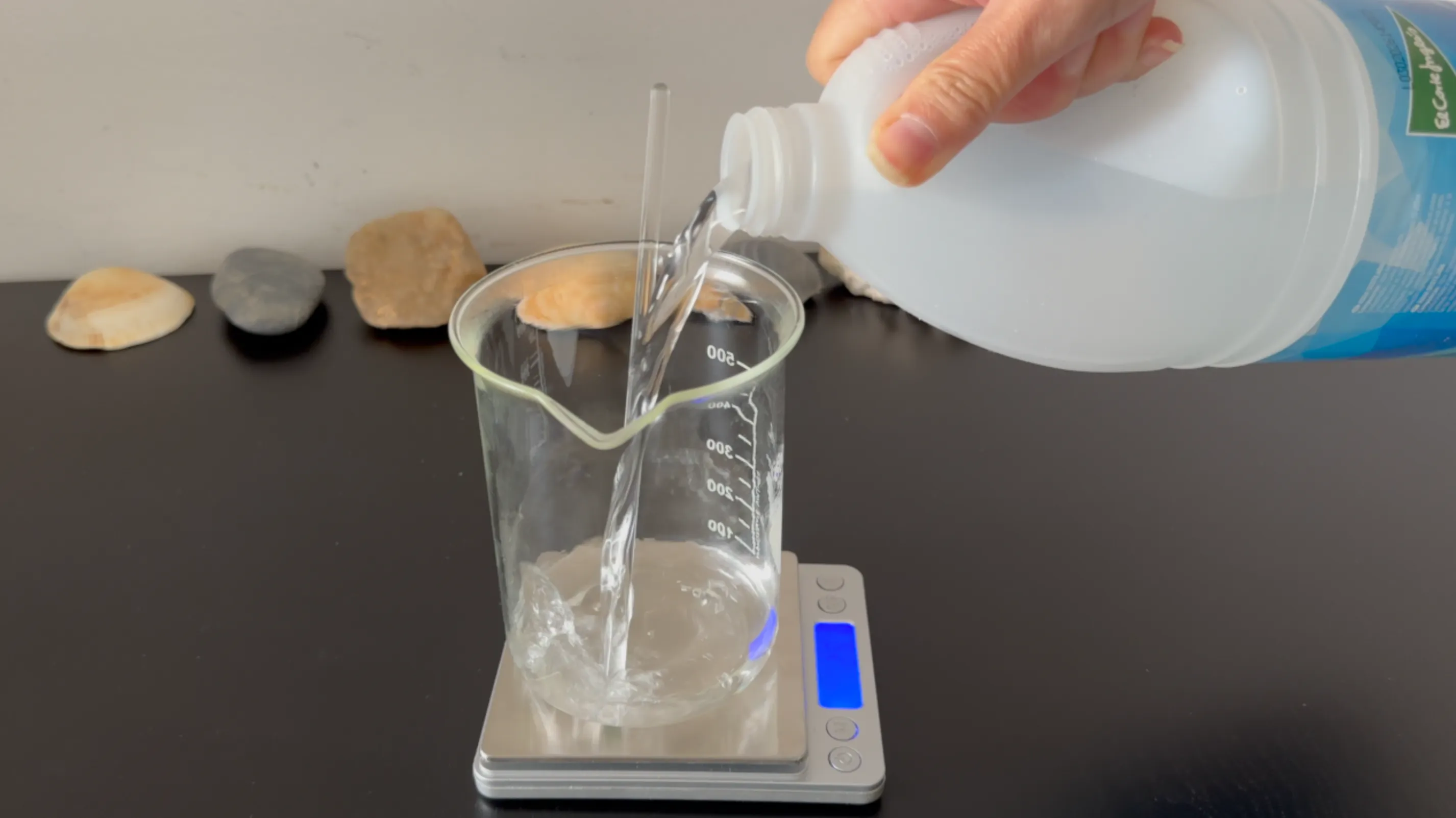
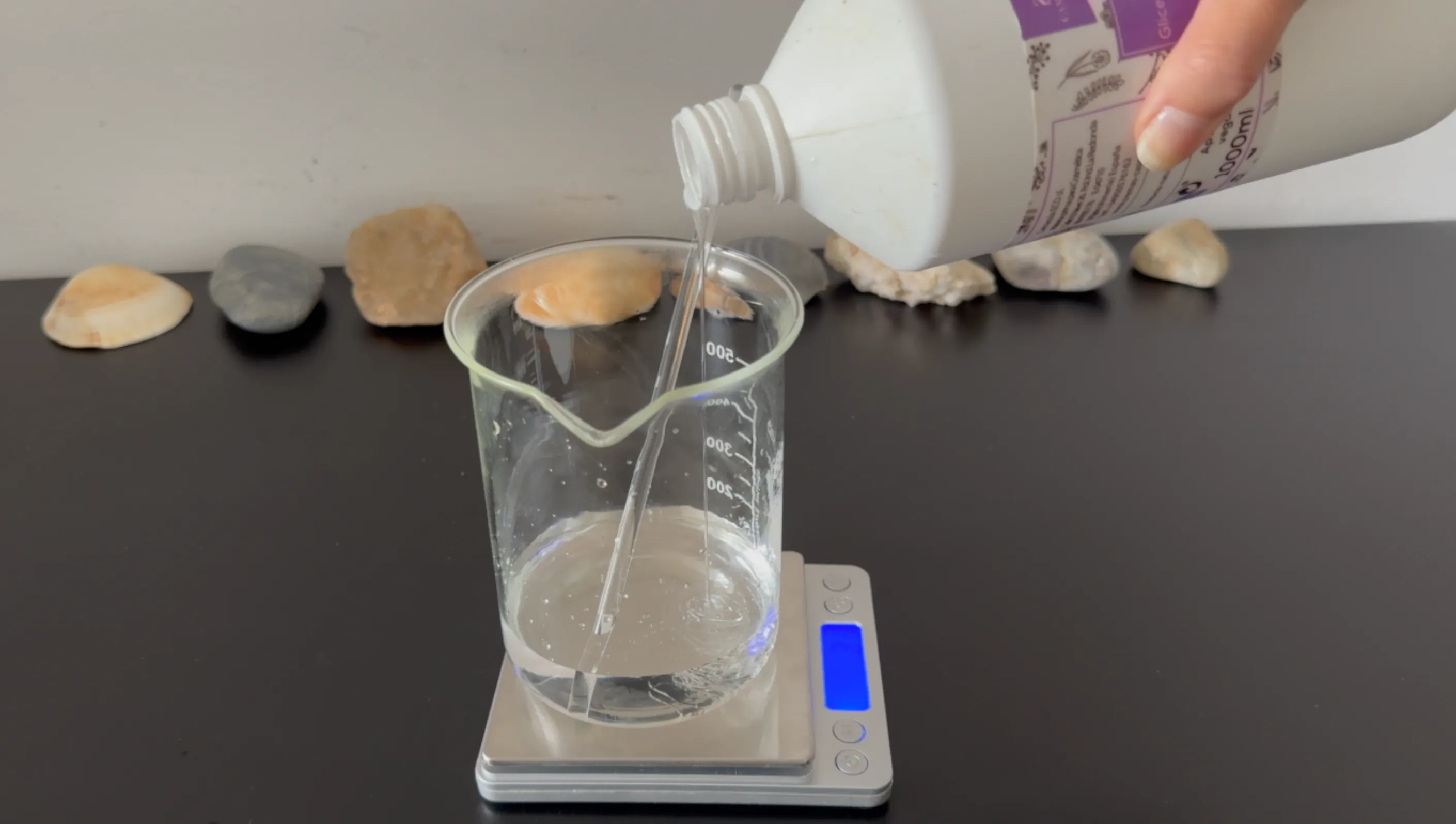
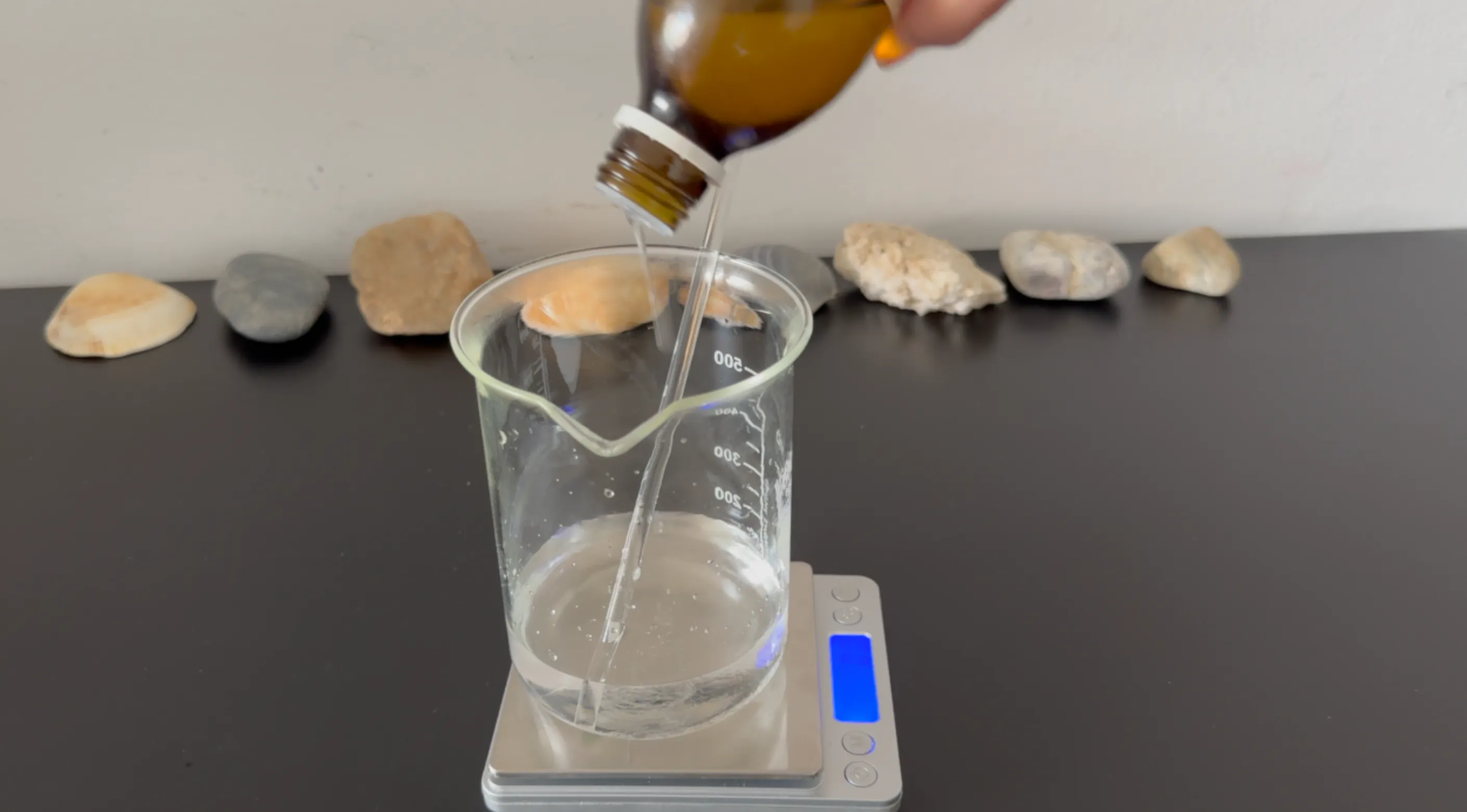
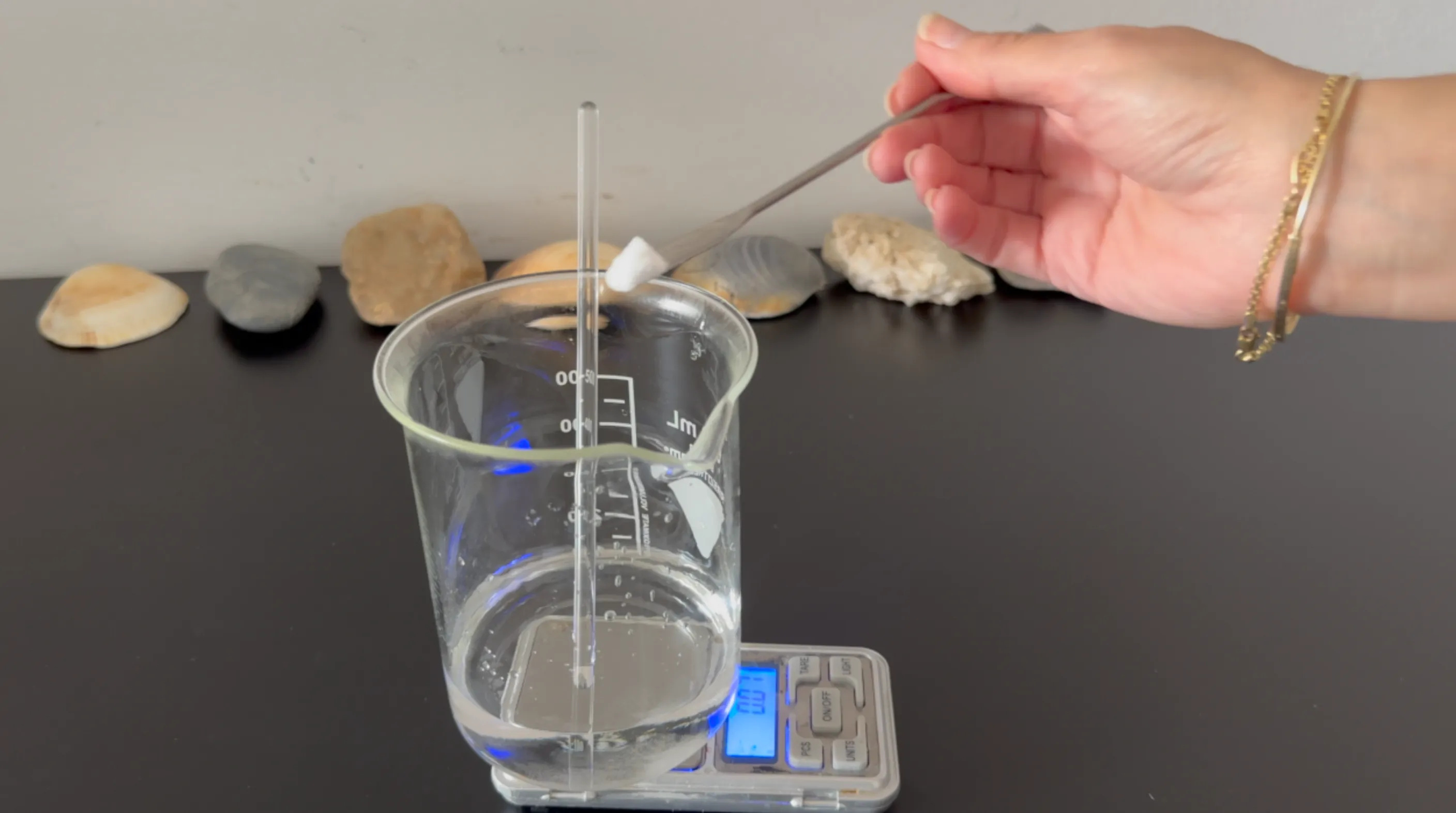
In a heat-resistant beaker, add the distilled water, glycerin, propanediol, and Disodium EDTA.
-
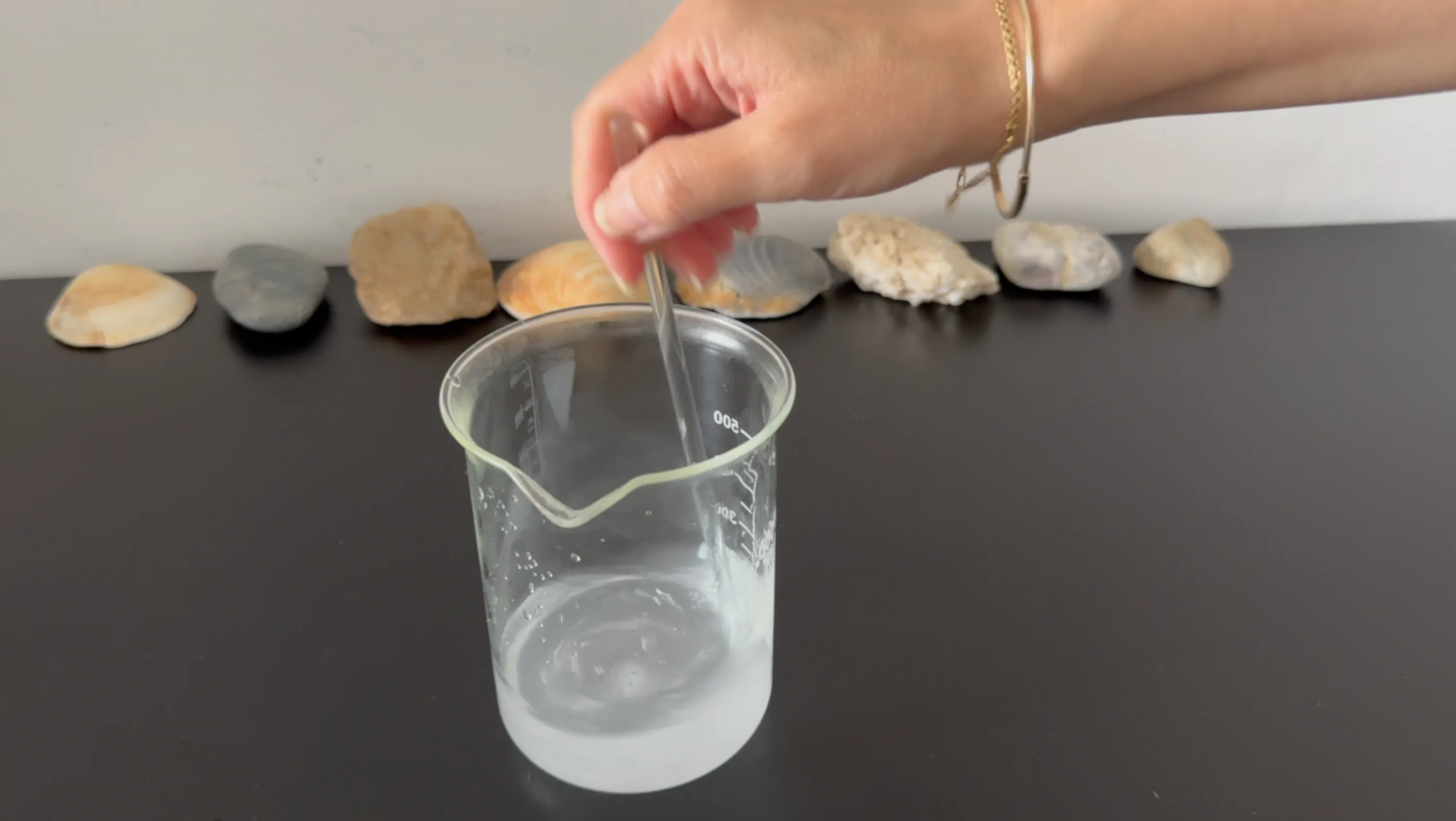
Stir gently until the Disodium EDTA is dissolved and the phase looks uniform.
-
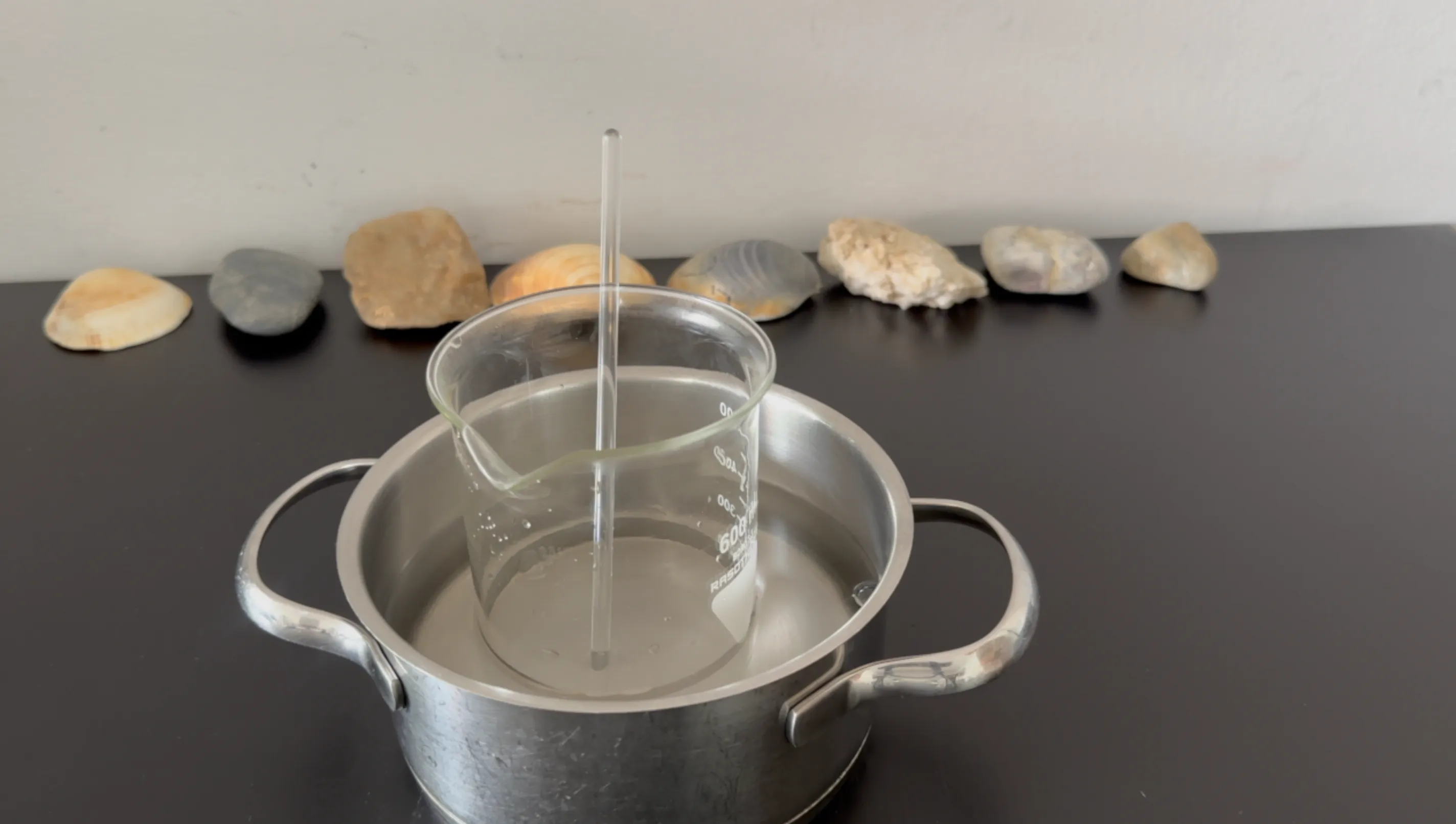
Place Phase A into a double boiler and heat to around 75–80°C.
-
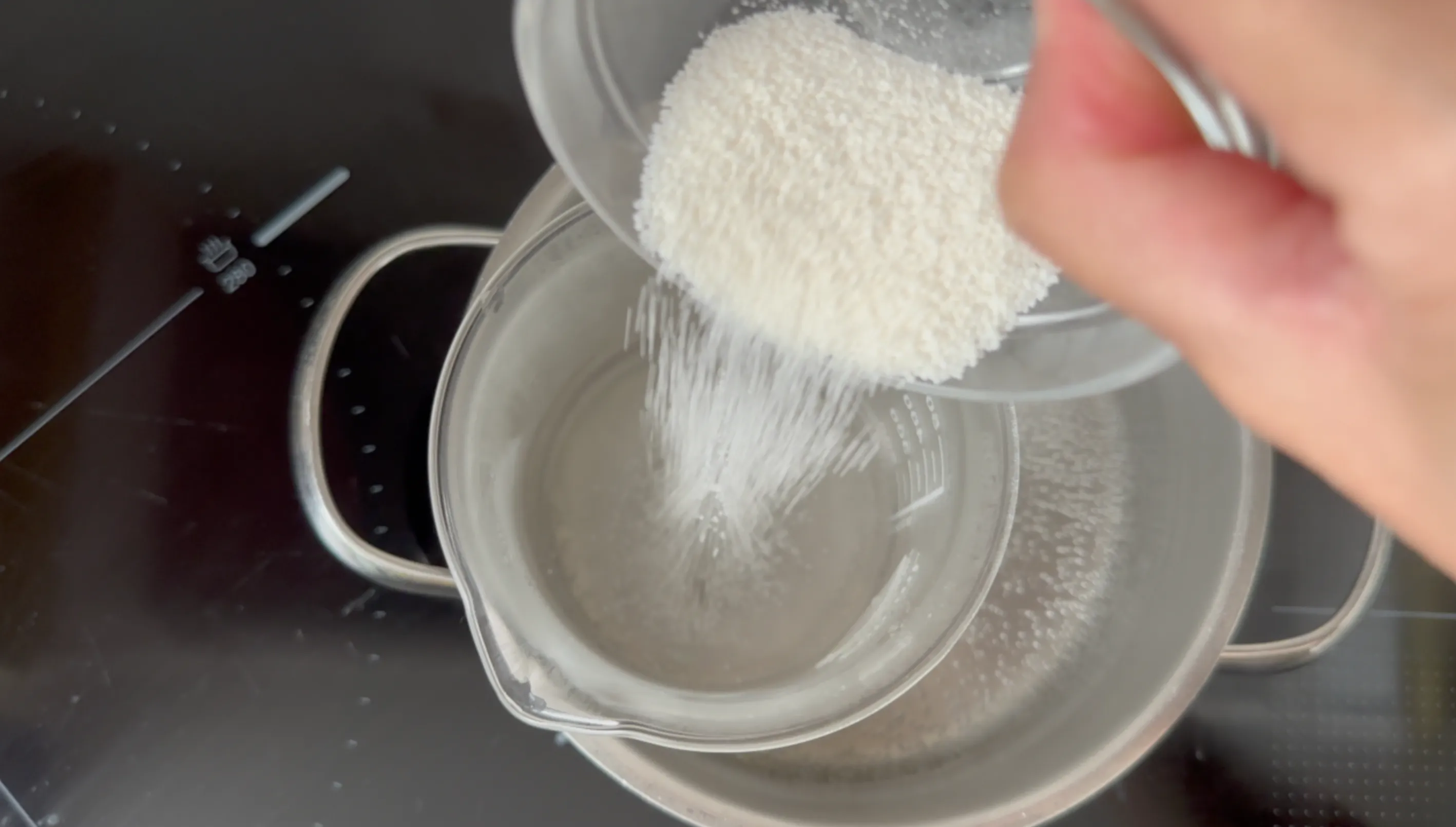
Slowly sprinkle the SCS powder into the heated Phase A while stirring gently. Do not add it all at once, as this can create clumps.
-
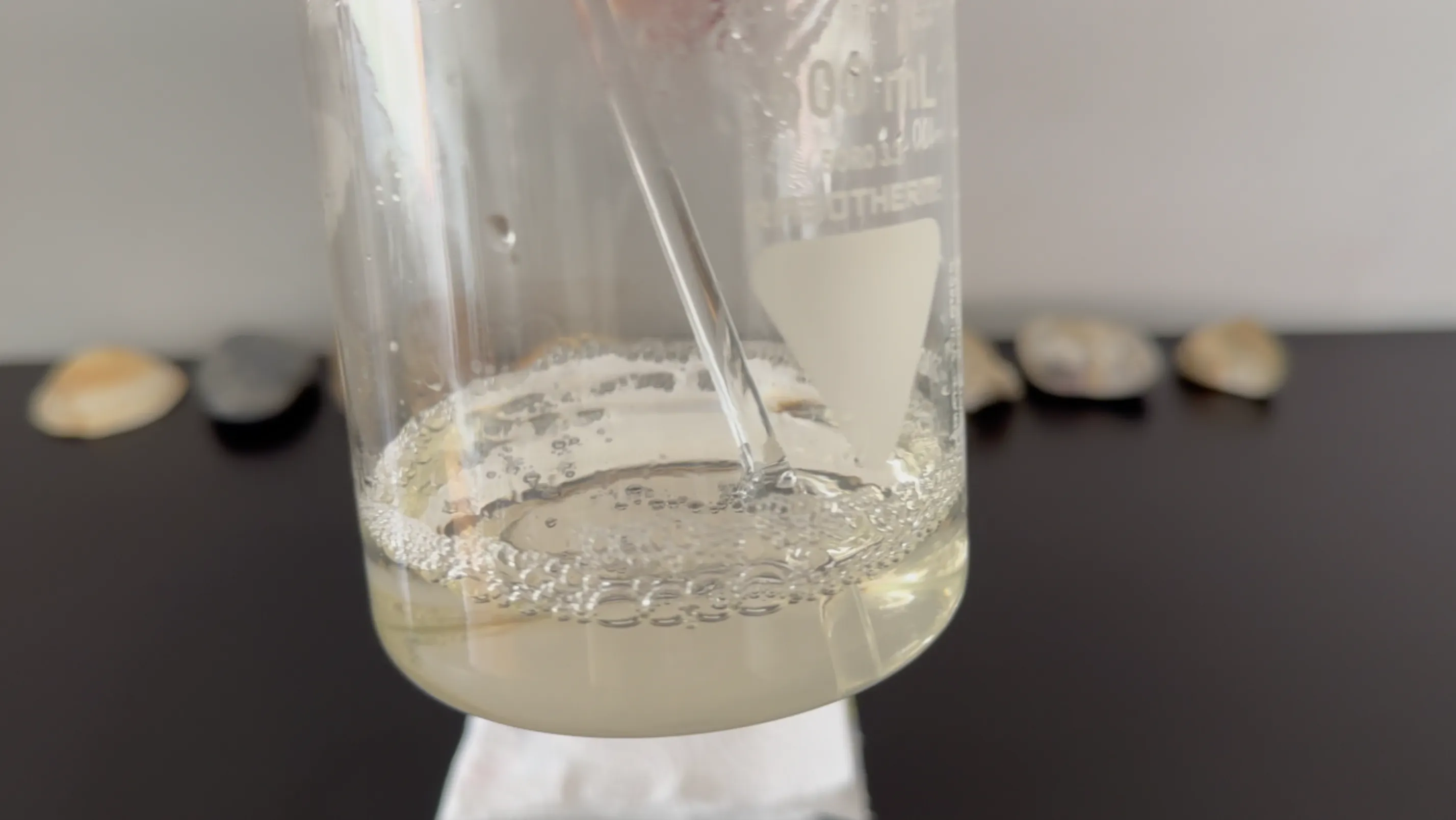
Keep Phase A in the double boiler and continue stirring gently until the SCS is fully dissolved. This may take around 15–20 minutes. The mixture should look uniform, with no visible SCS particles.
-
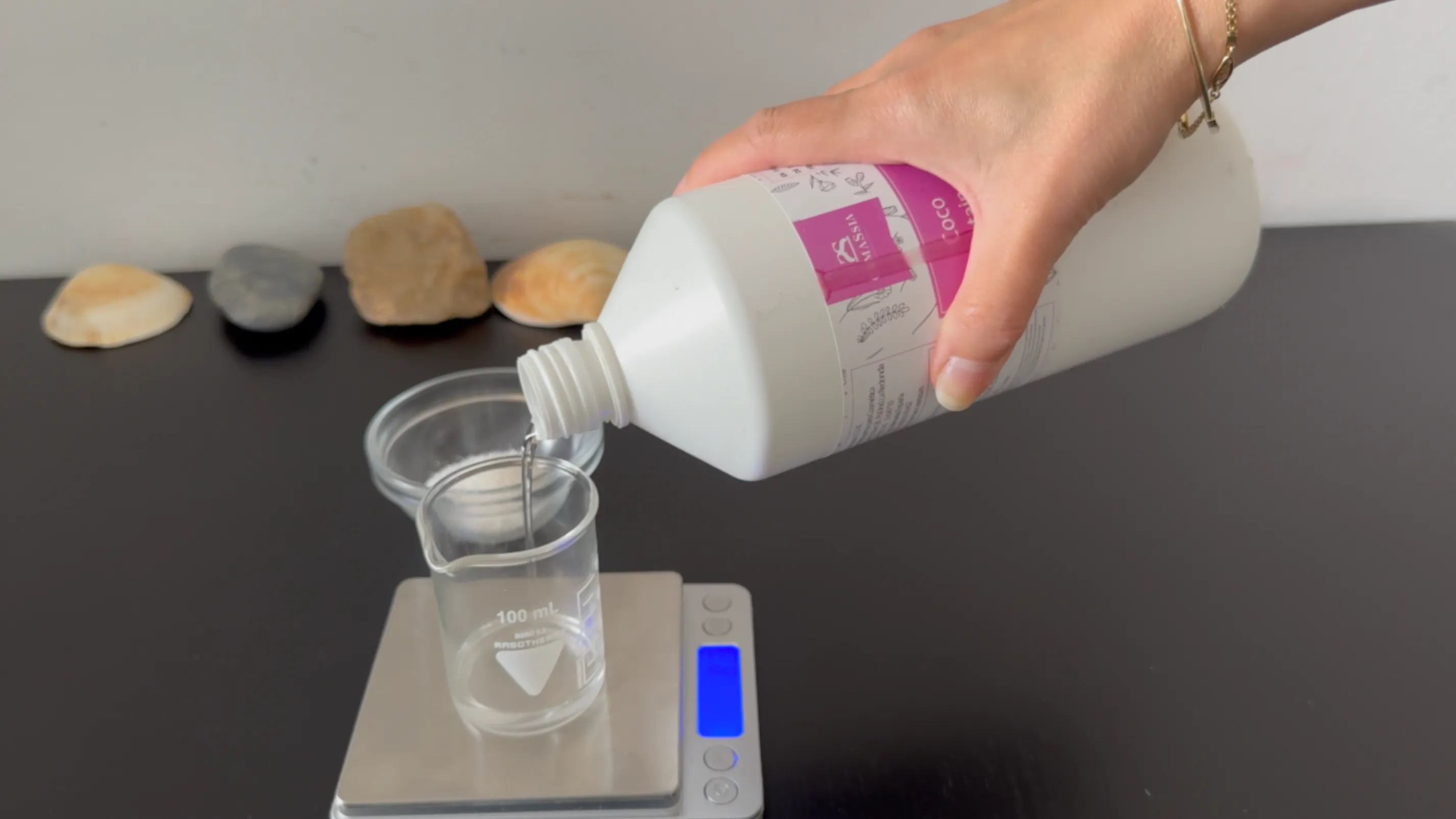
In a separate beaker, prepare the coco betaine.
-
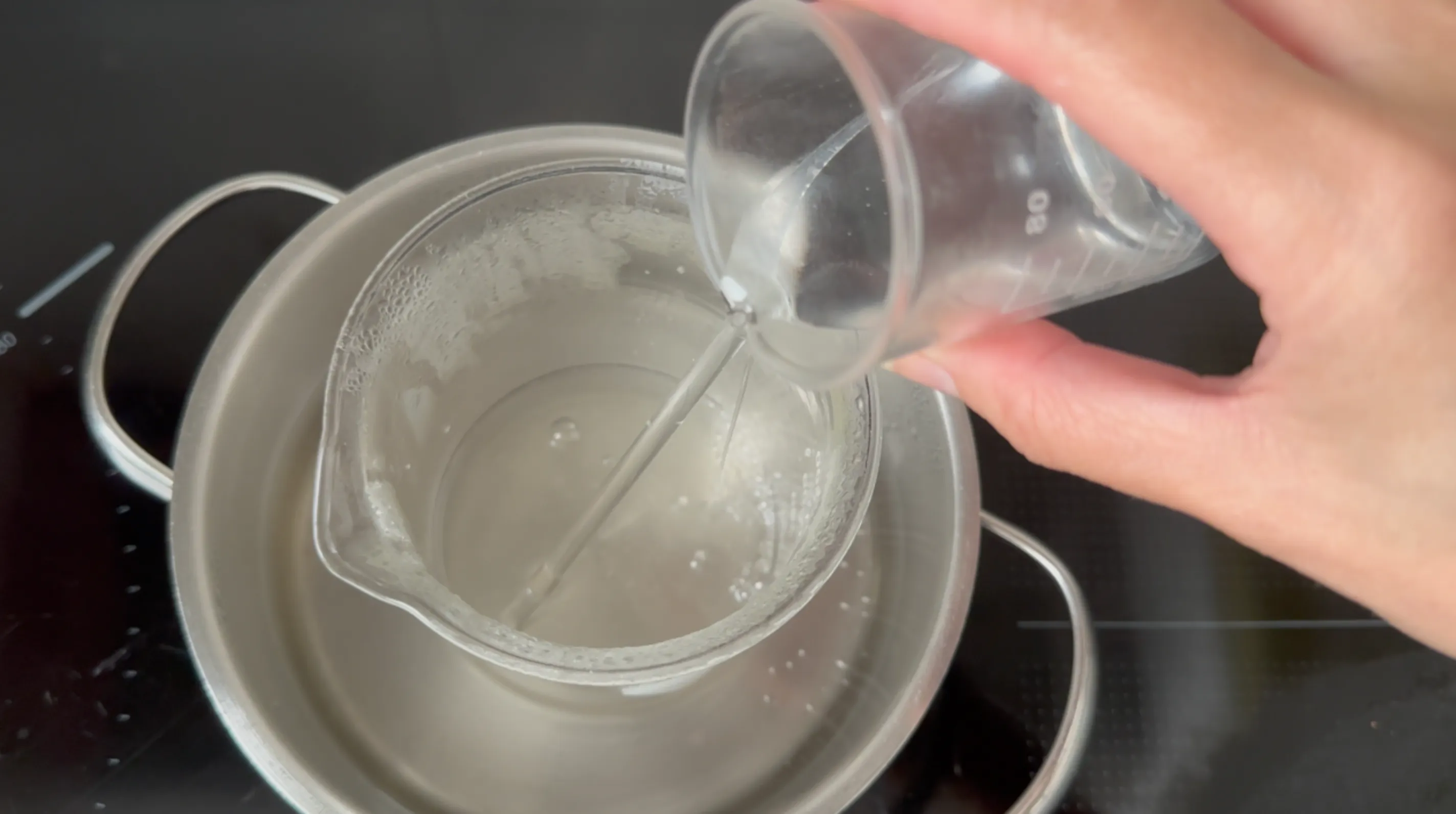
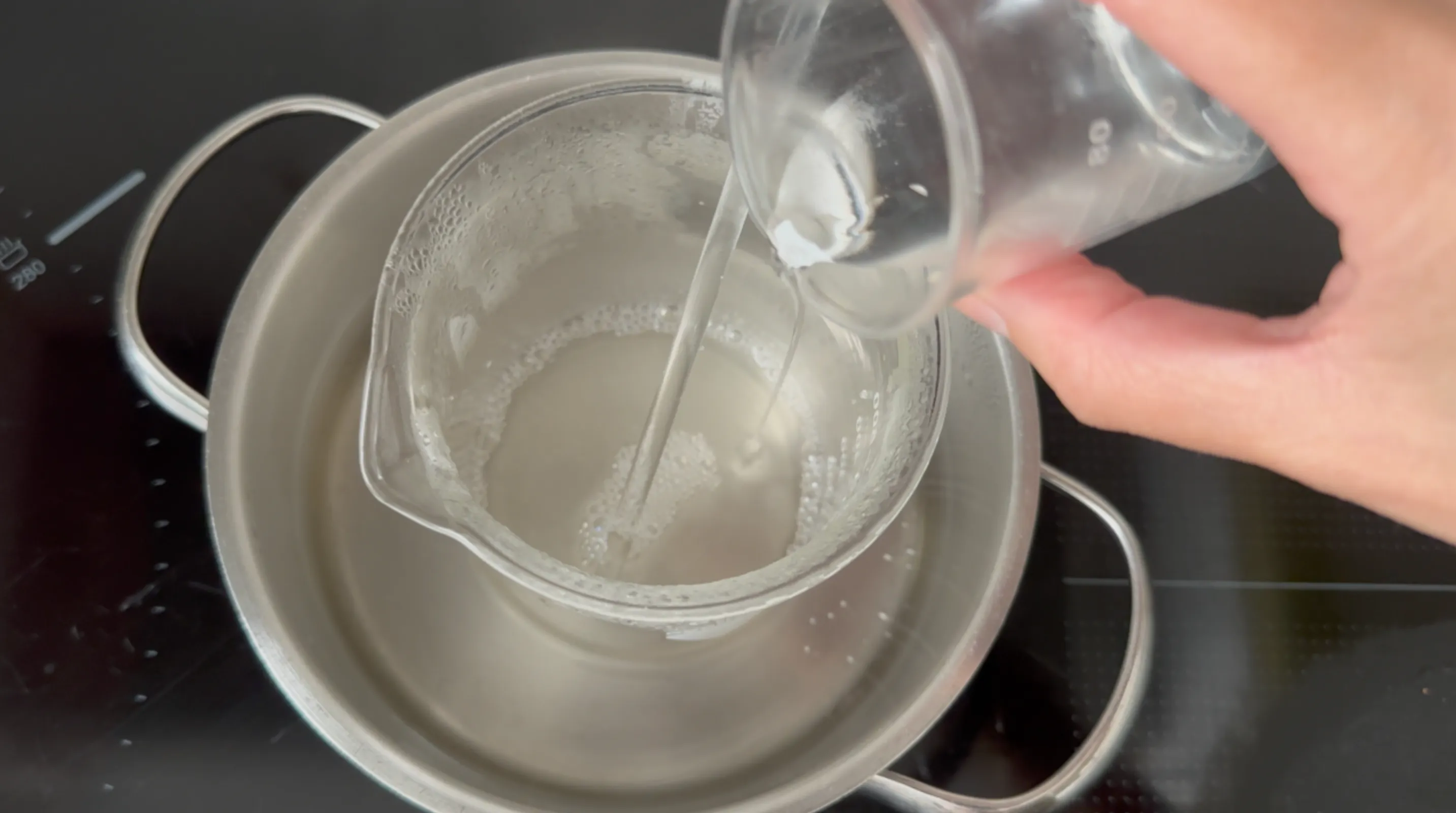
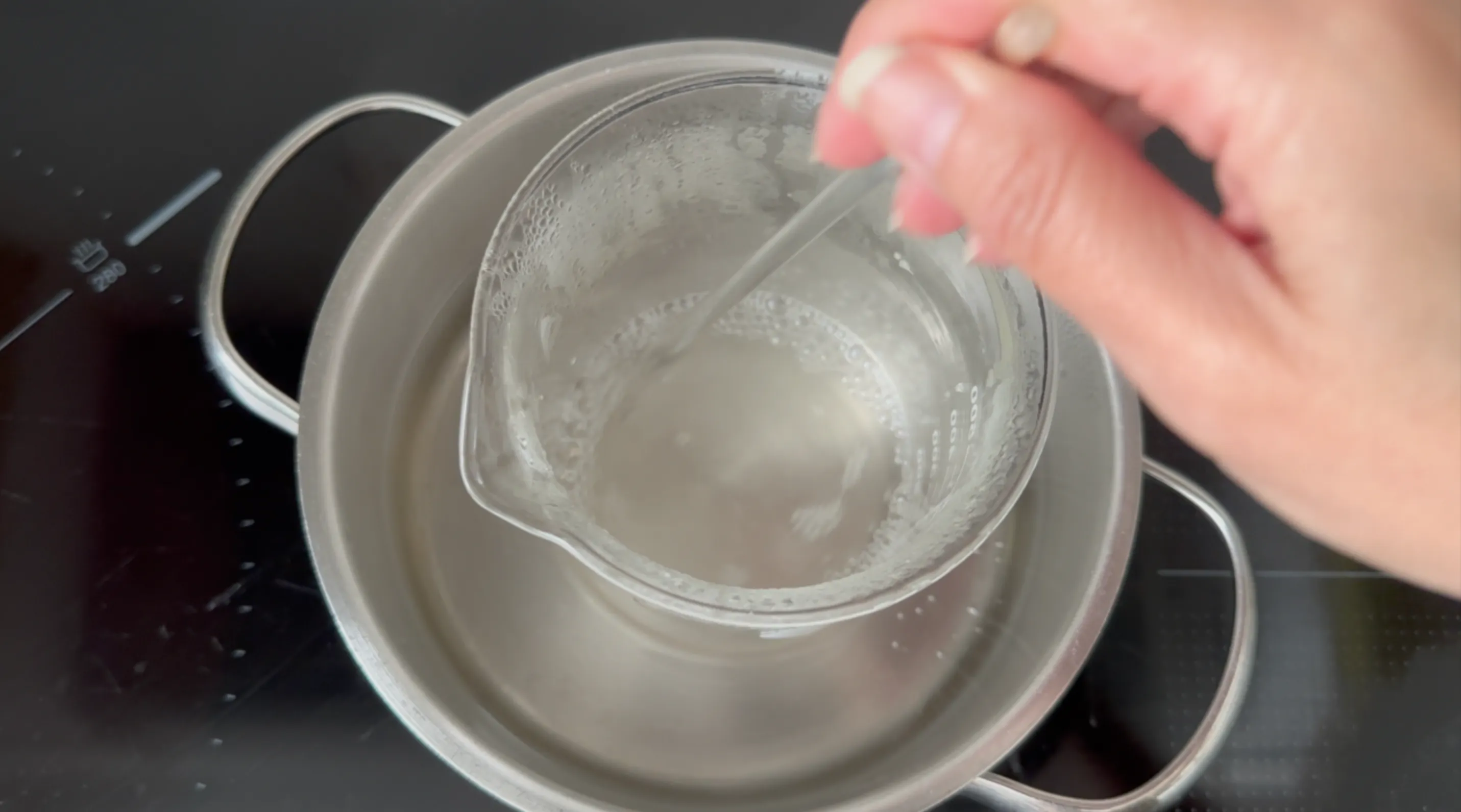
Once the SCS is fully dissolved, slowly add the coco betaine to the heated mixture. Stir gently for 1–2 minutes while keeping the beaker warm.
-
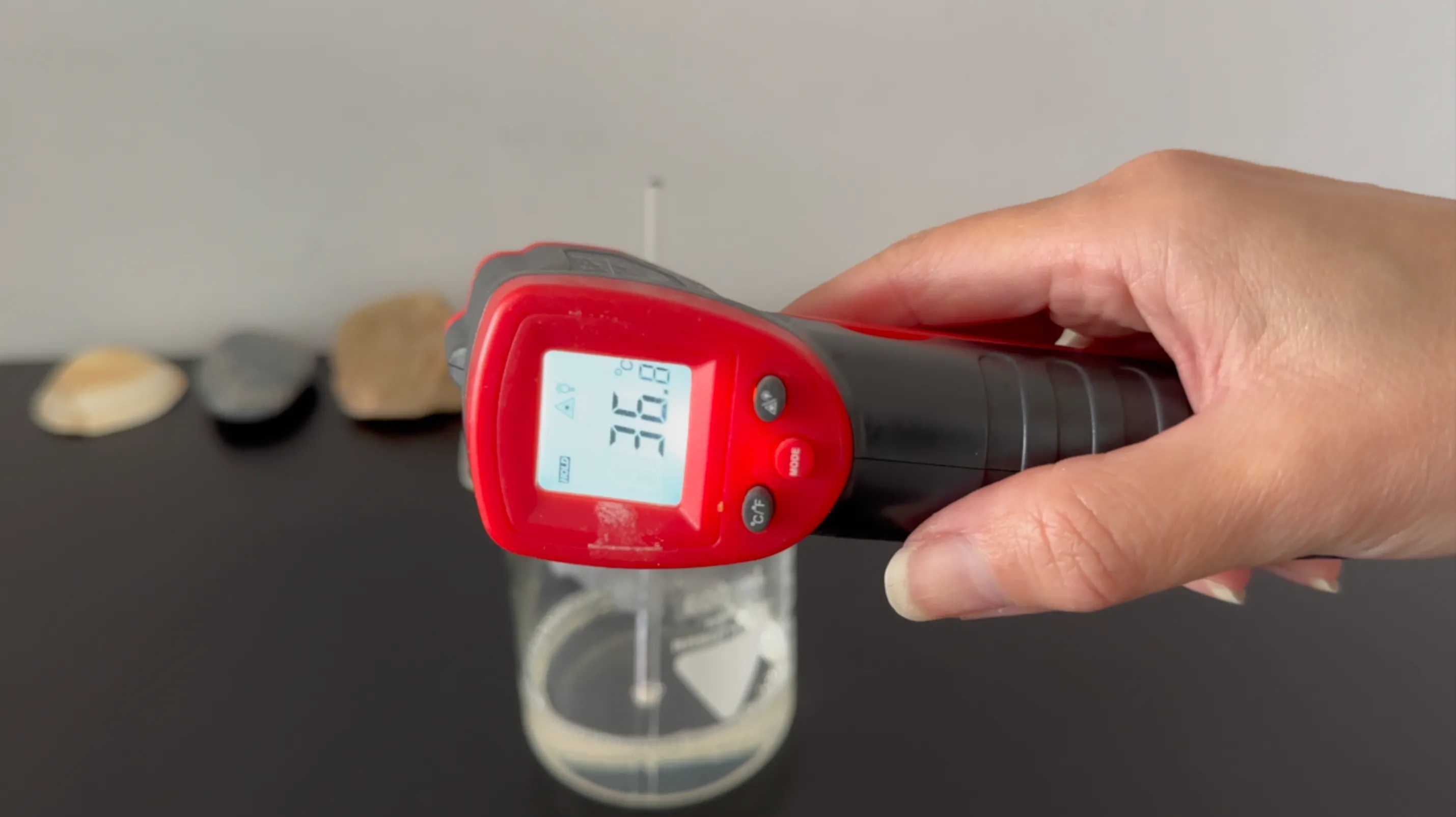
Remove the beaker from the heat and allow the mixture to cool to 40°C or below.
-
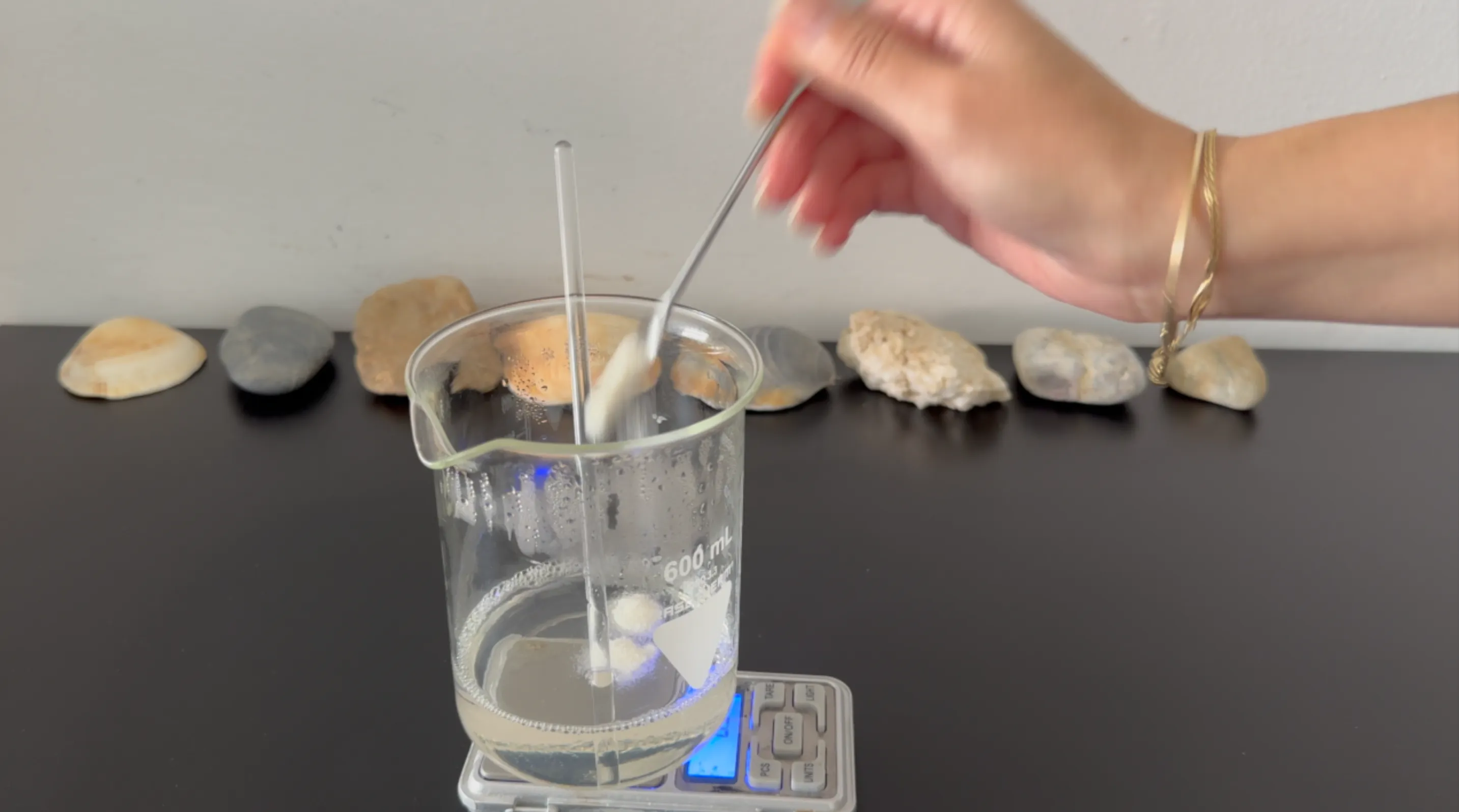
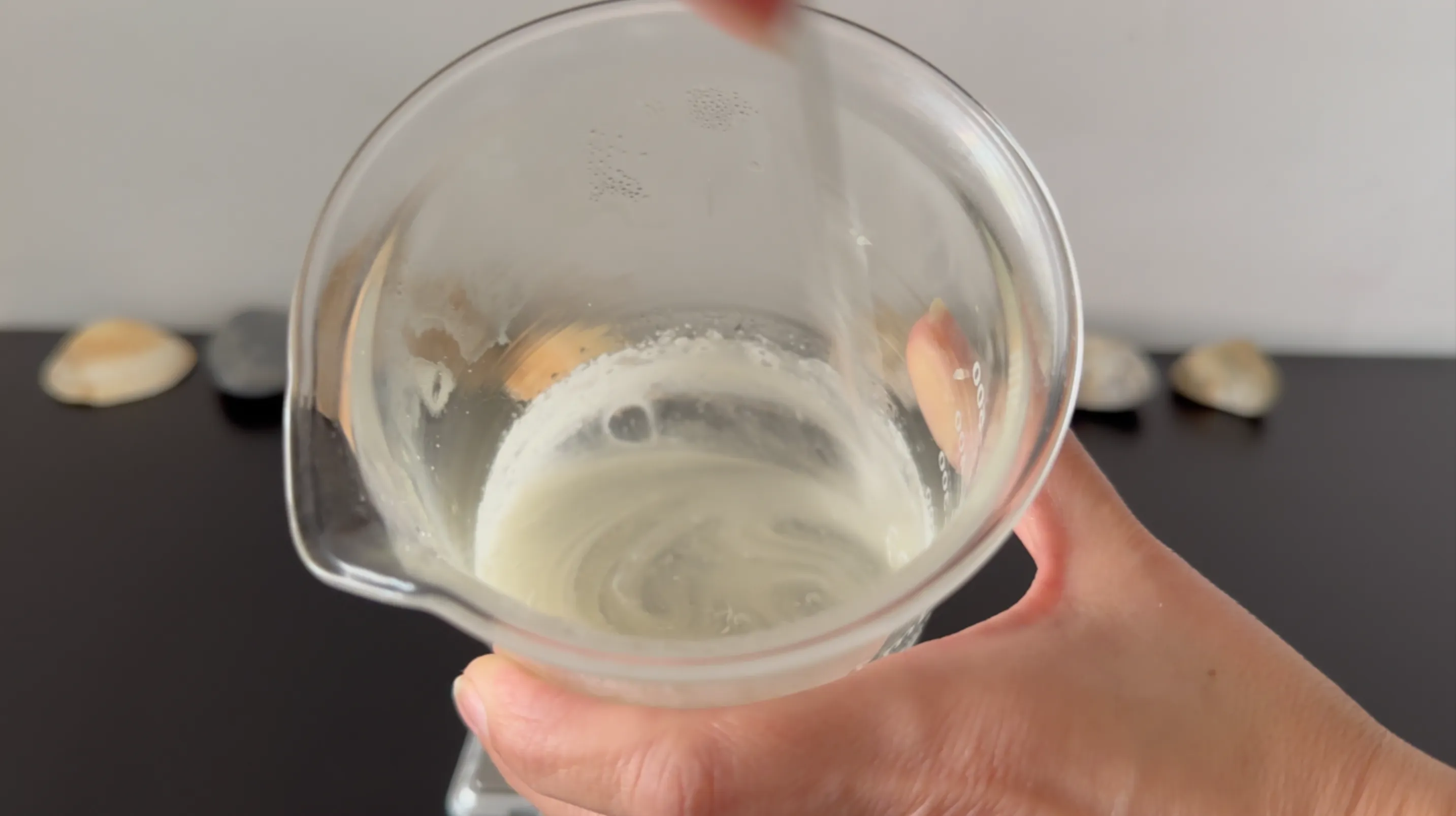
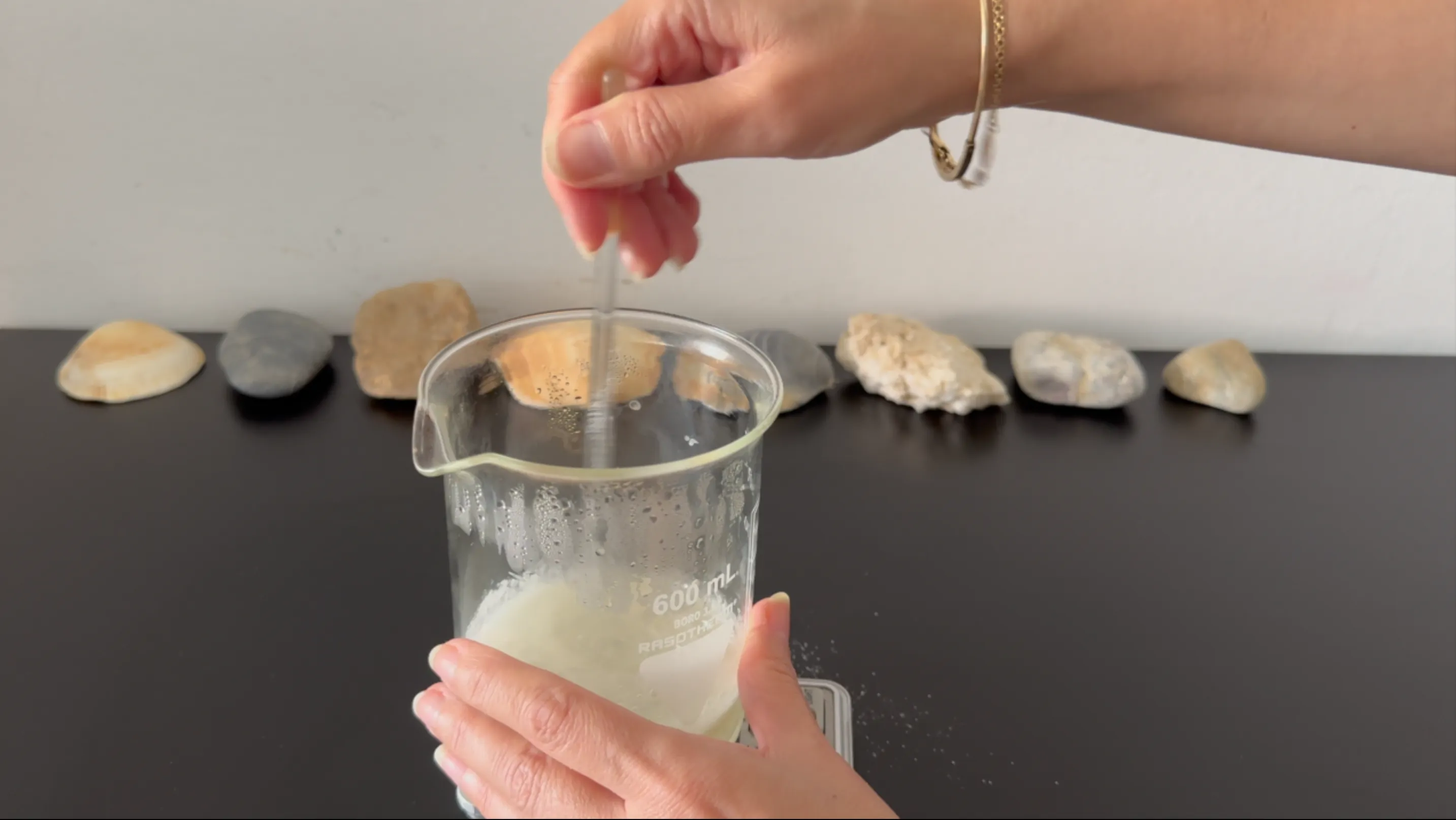
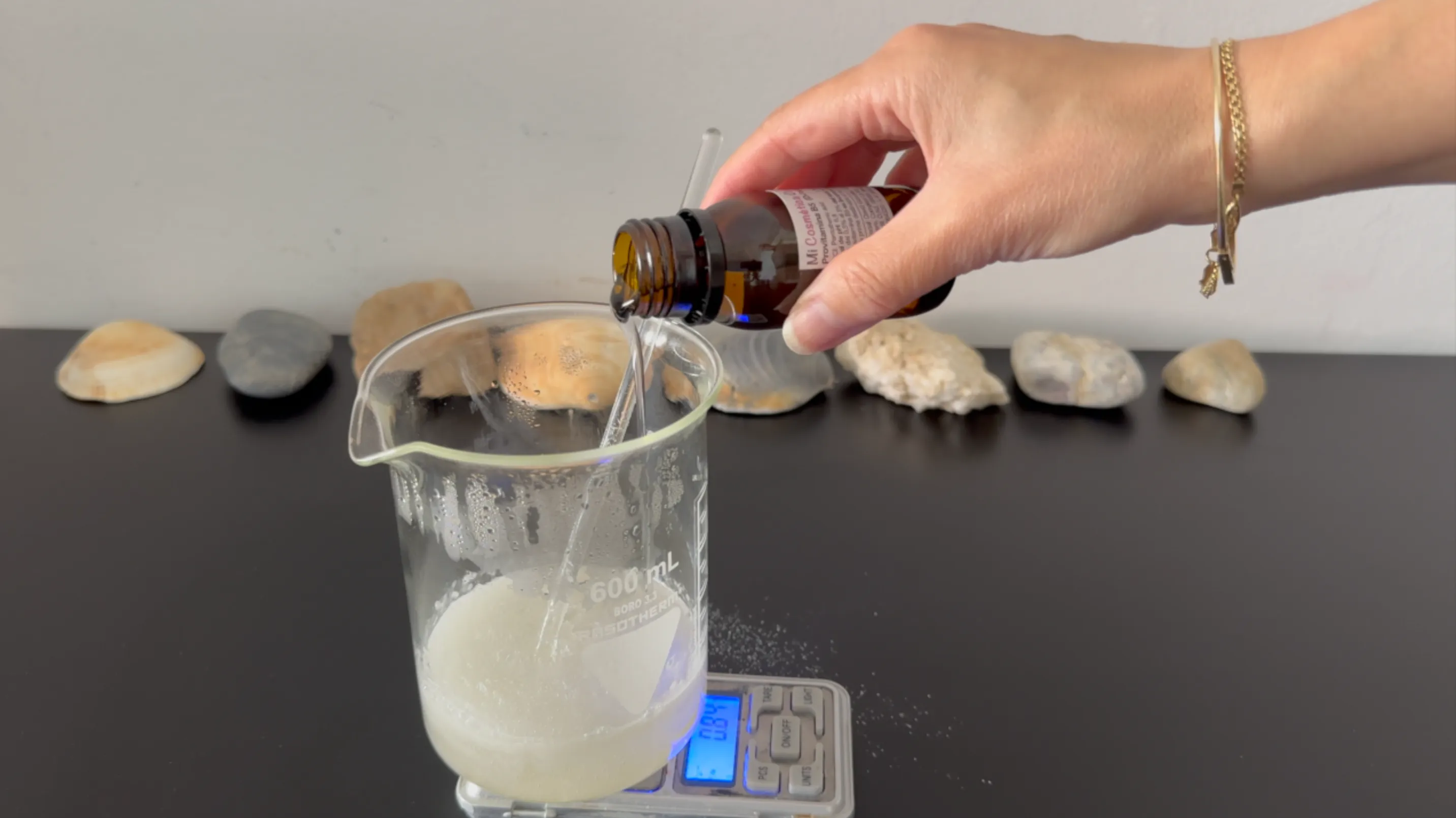
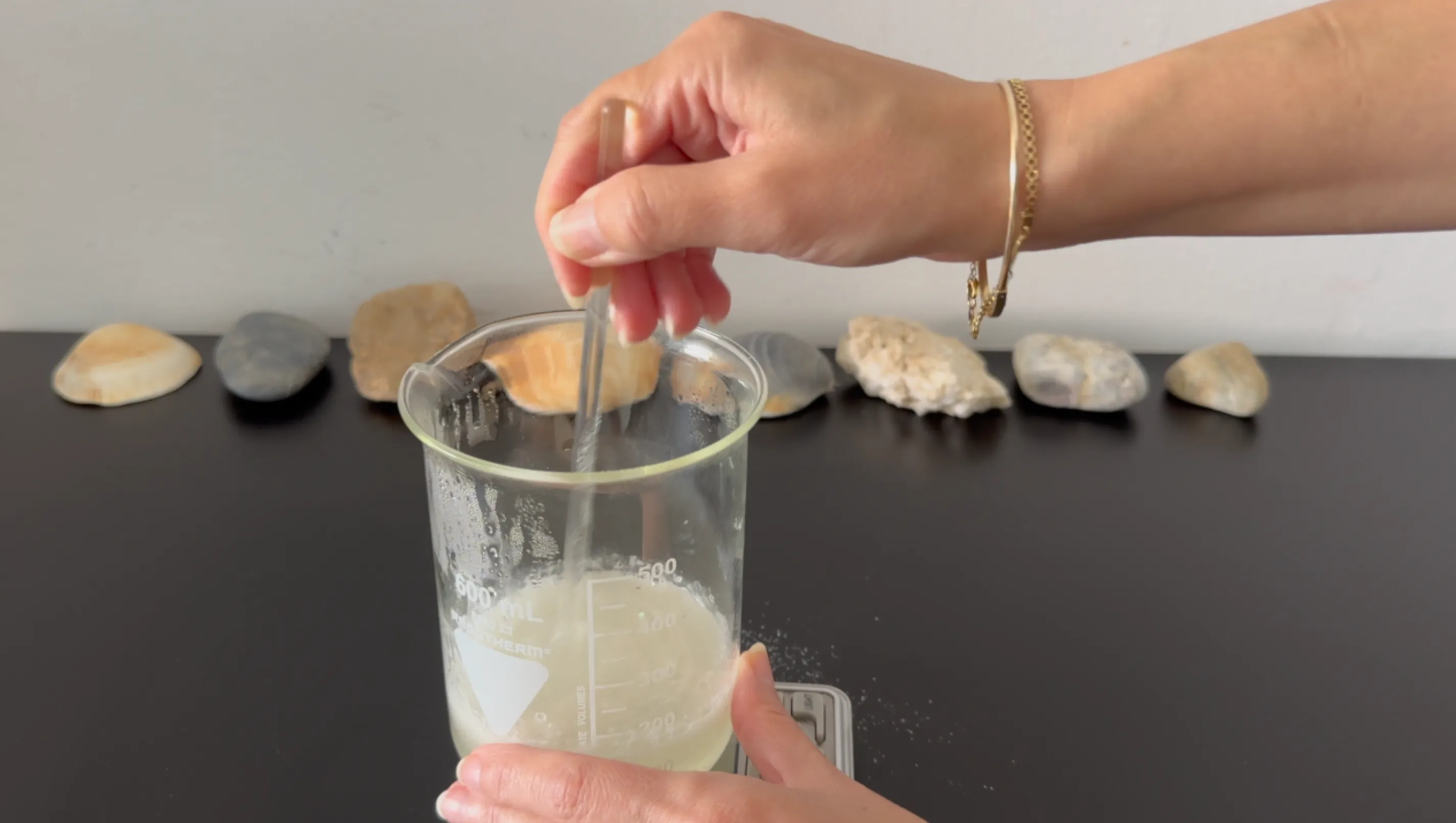
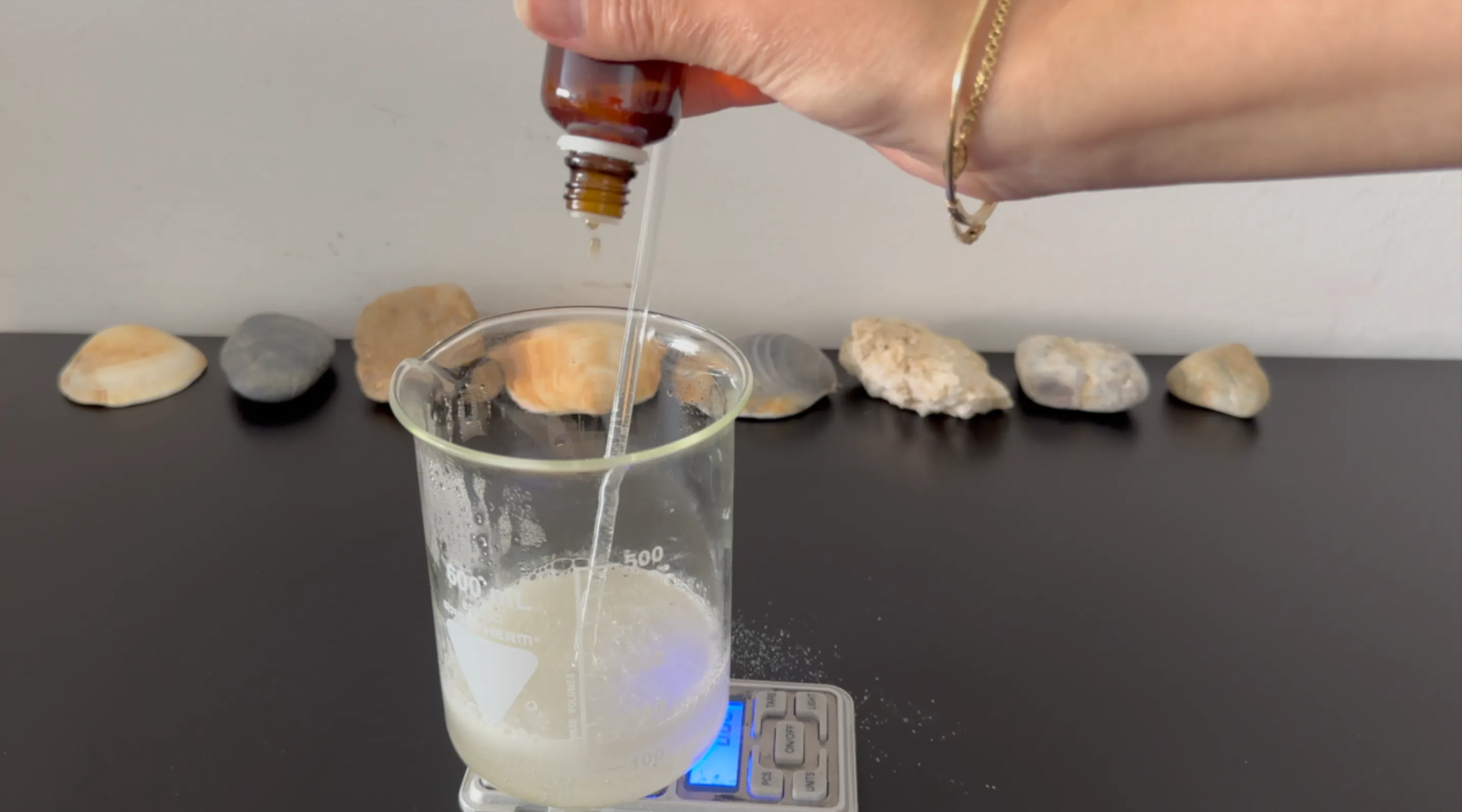
Add Phase C: hydrolyzed keratin, panthenol, licorice extract, and centella stem cells. Once the shampoo base has cooled to 40°C or below, add Phase C and stir gently until fully combined.
-
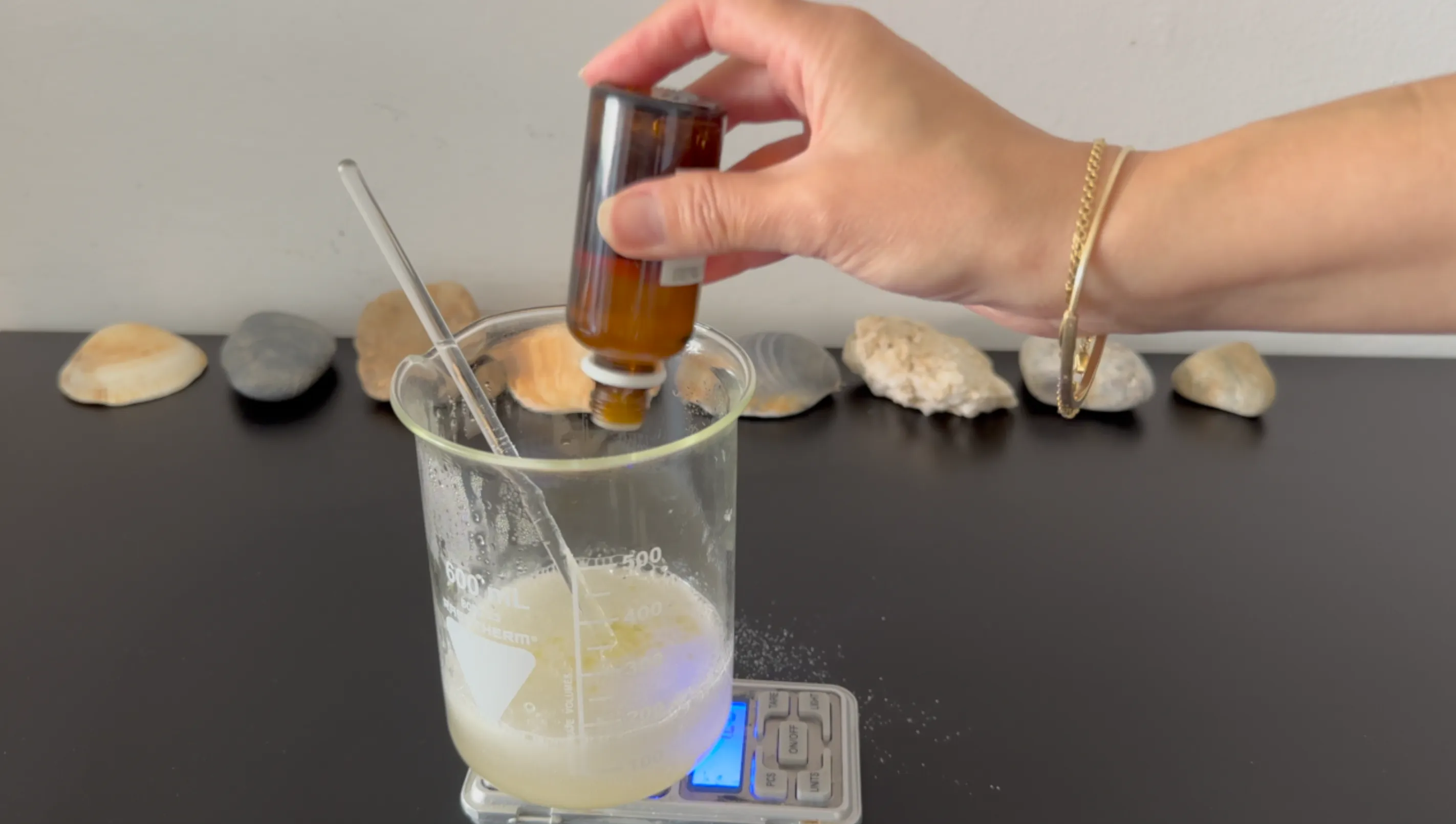
Add Cosgard and stir gently to combine. Stirring may create some foam.
-
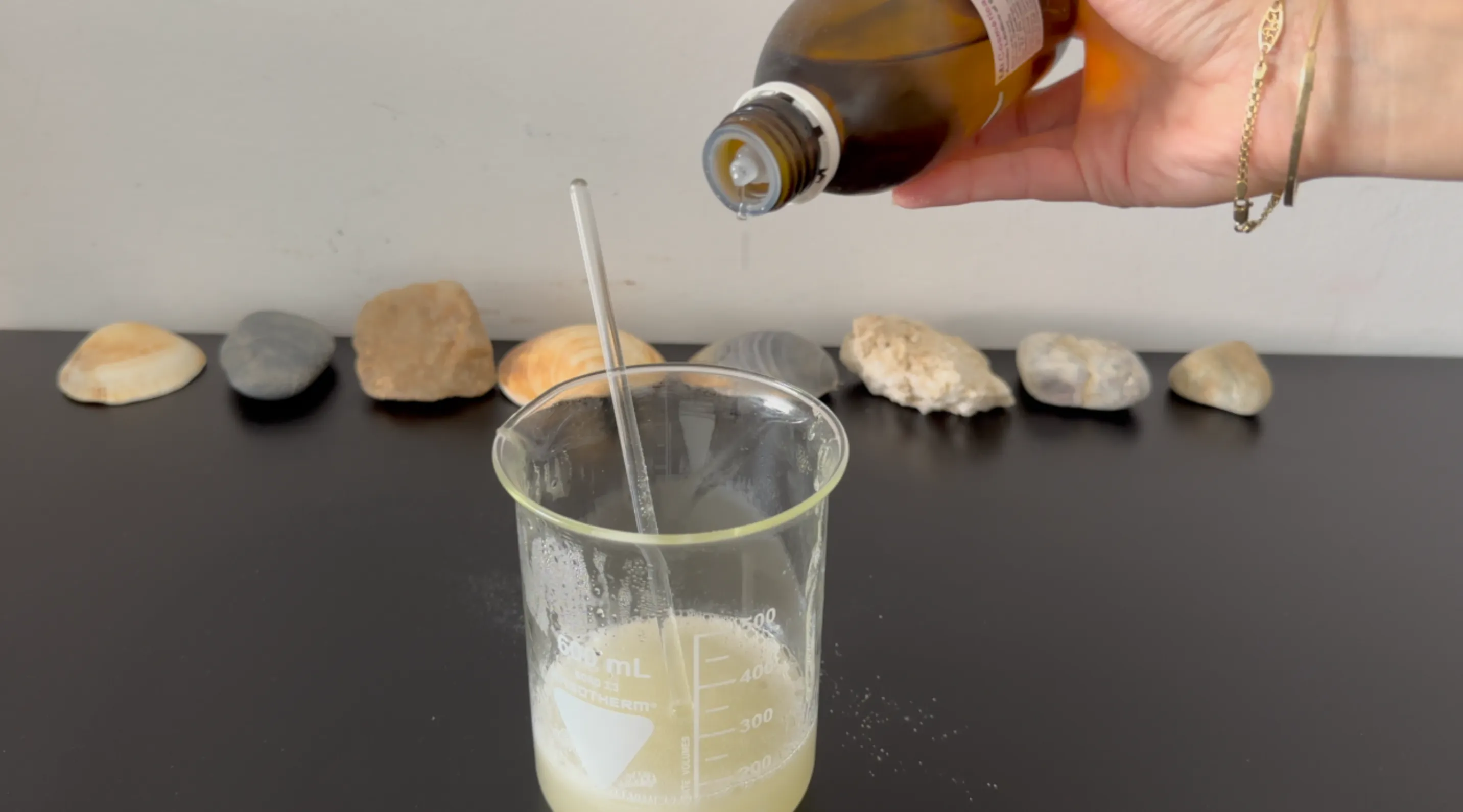
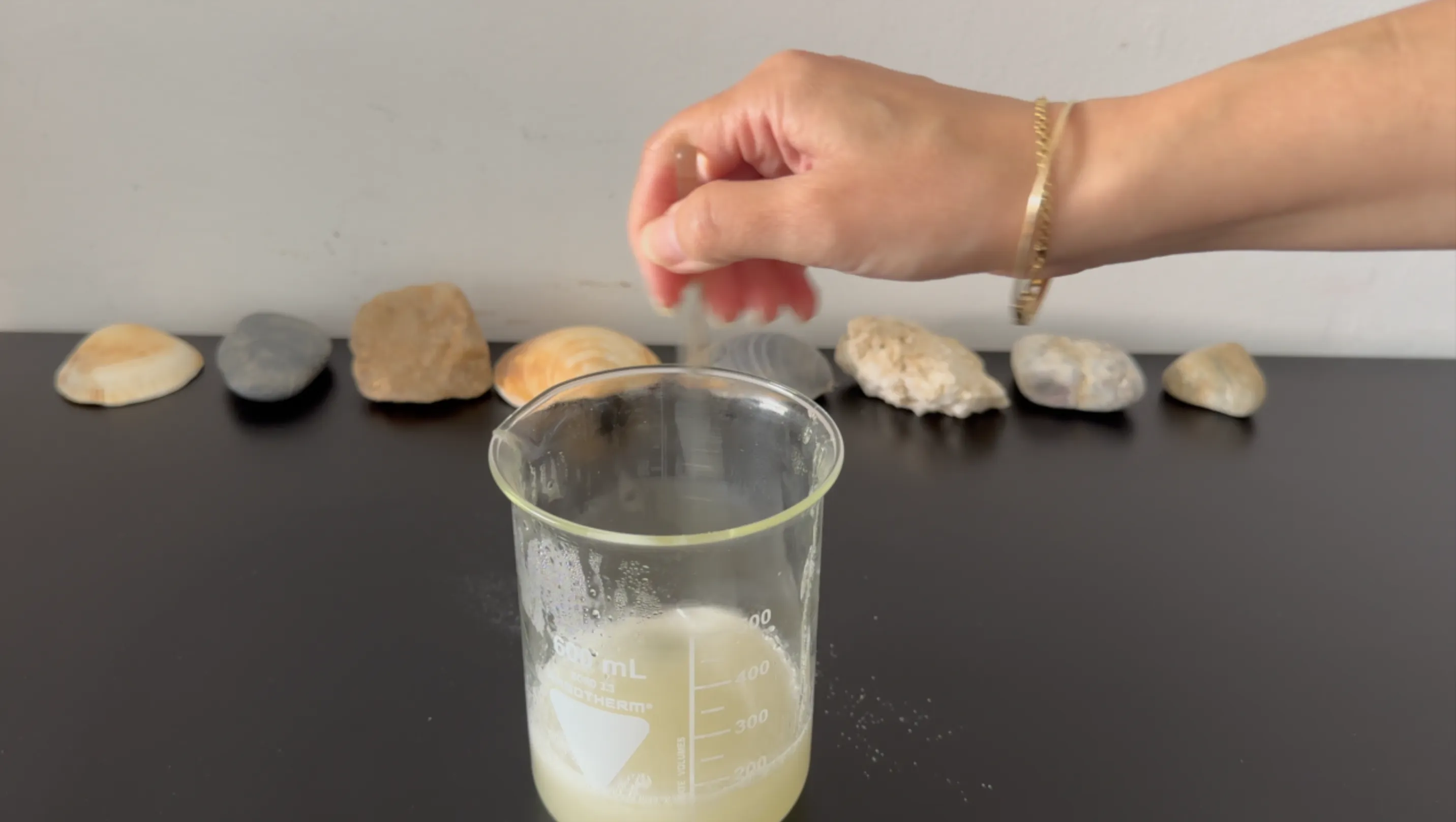
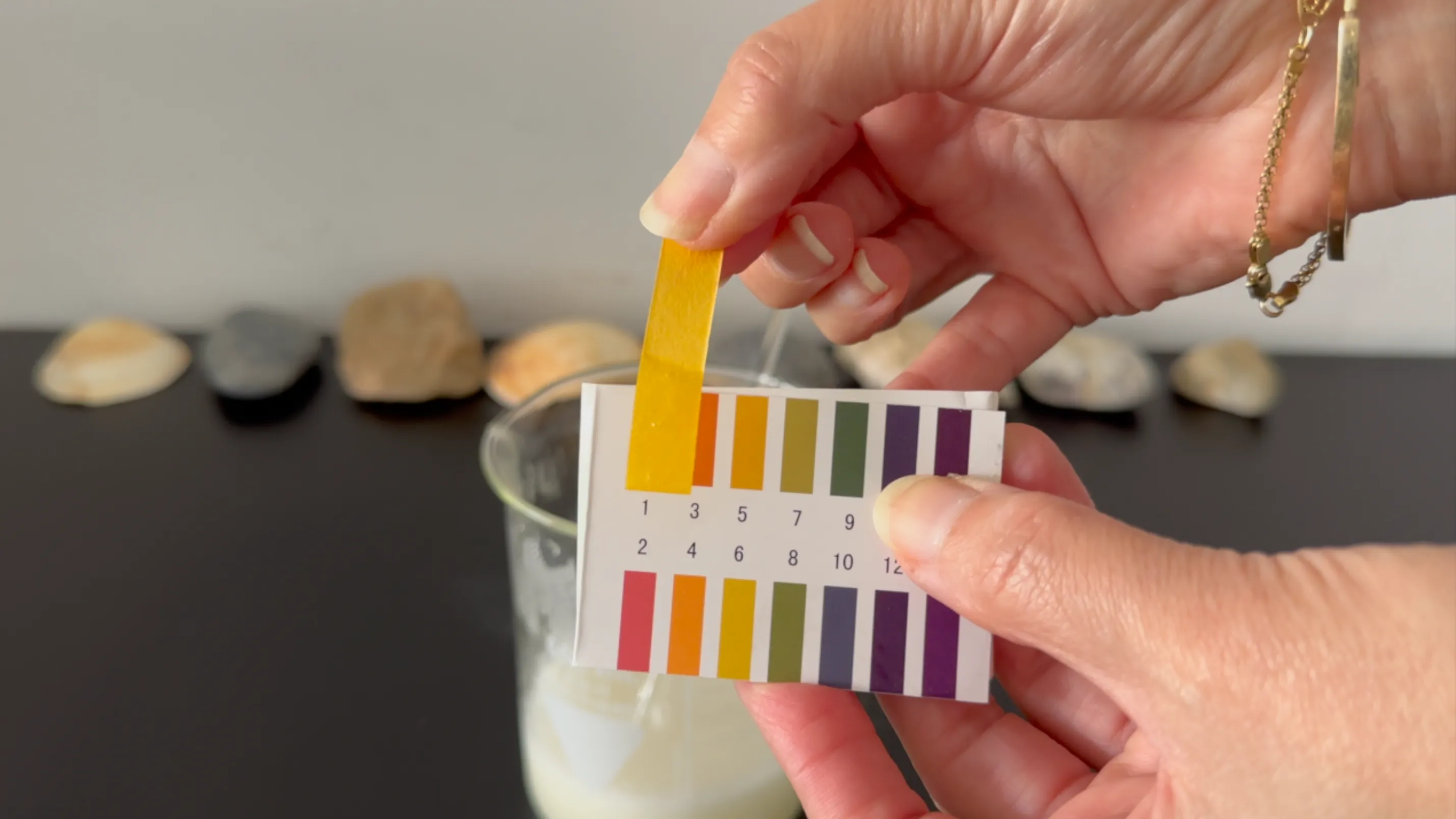
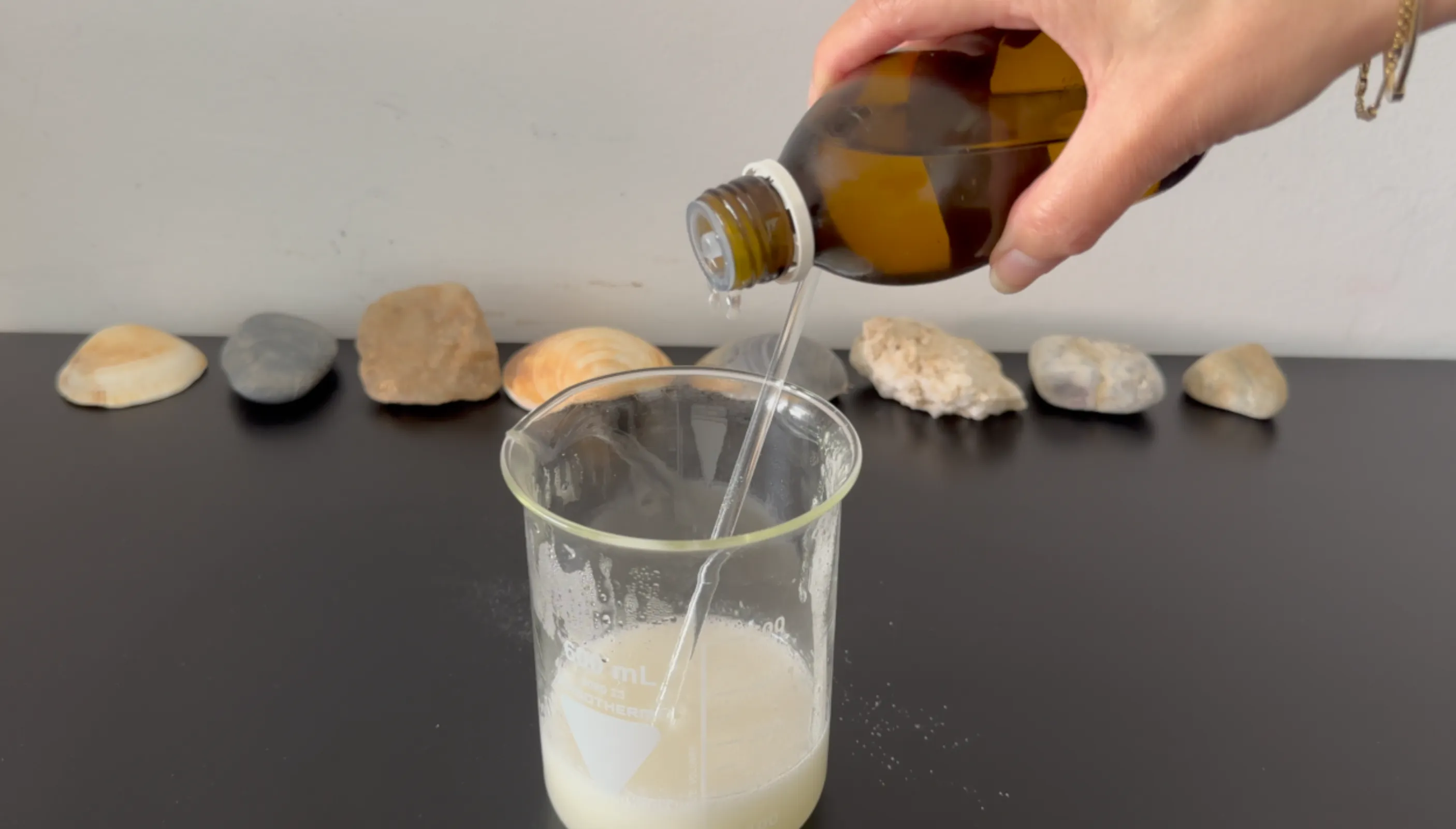
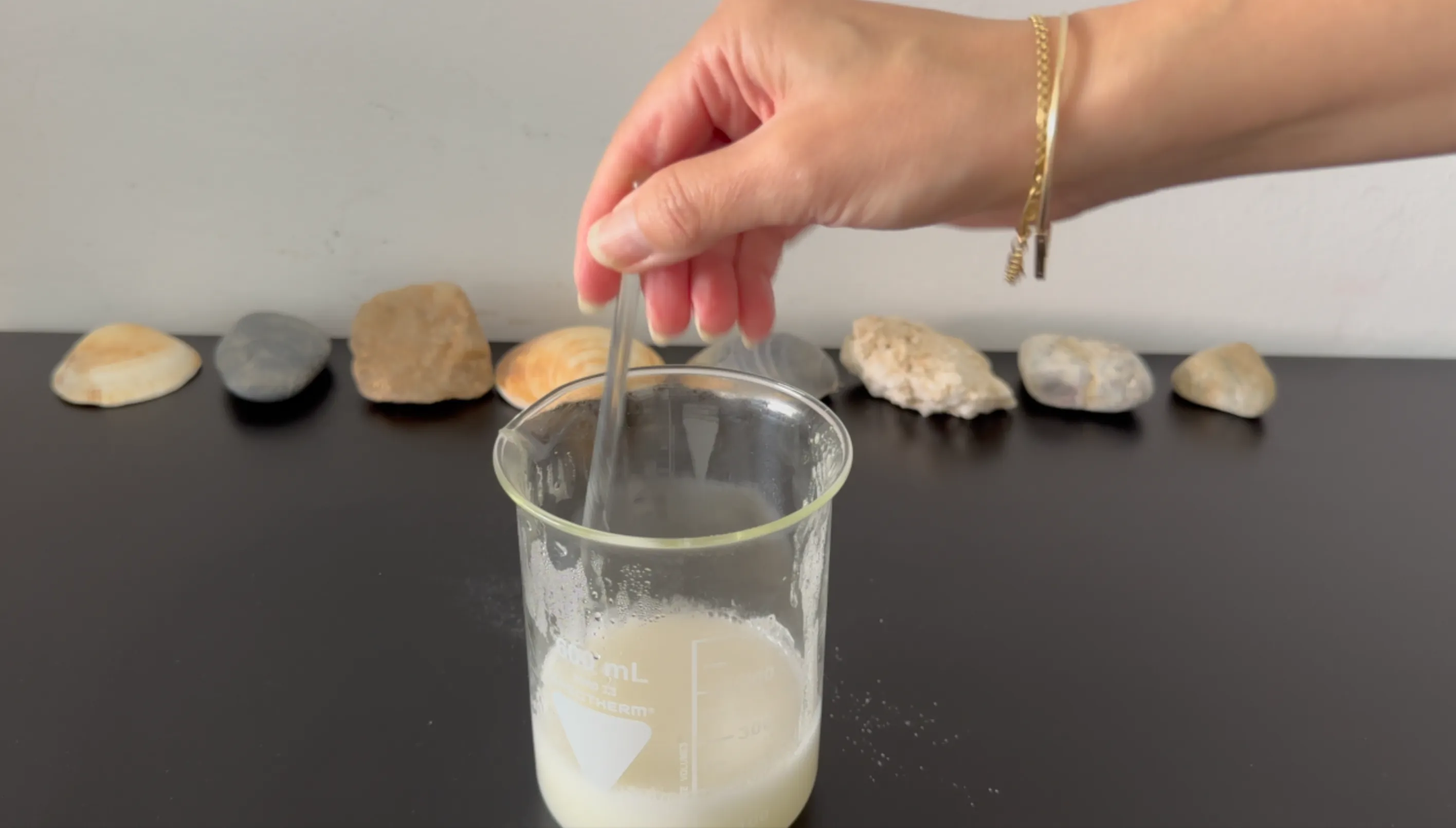
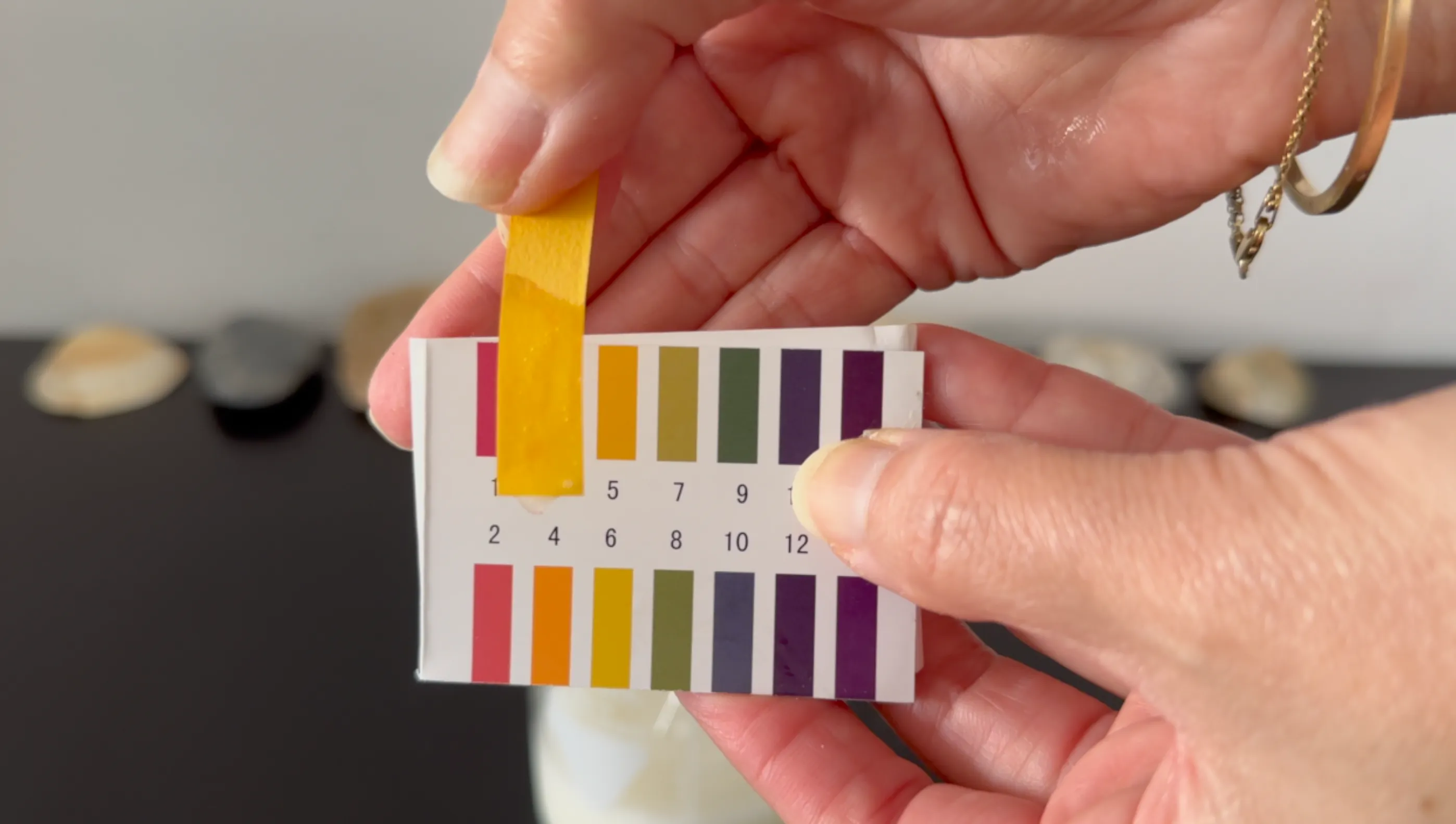
Check the pH of the shampoo. Adjust if necessary to reach a final pH of around 5.0–5.3.
-
Leave the shampoo to rest for a few hours, or preferably overnight, until the foam settles and the final texture develops.
-
Pour into a clean pump bottle or shampoo bottle. The shampoo is ready to use.
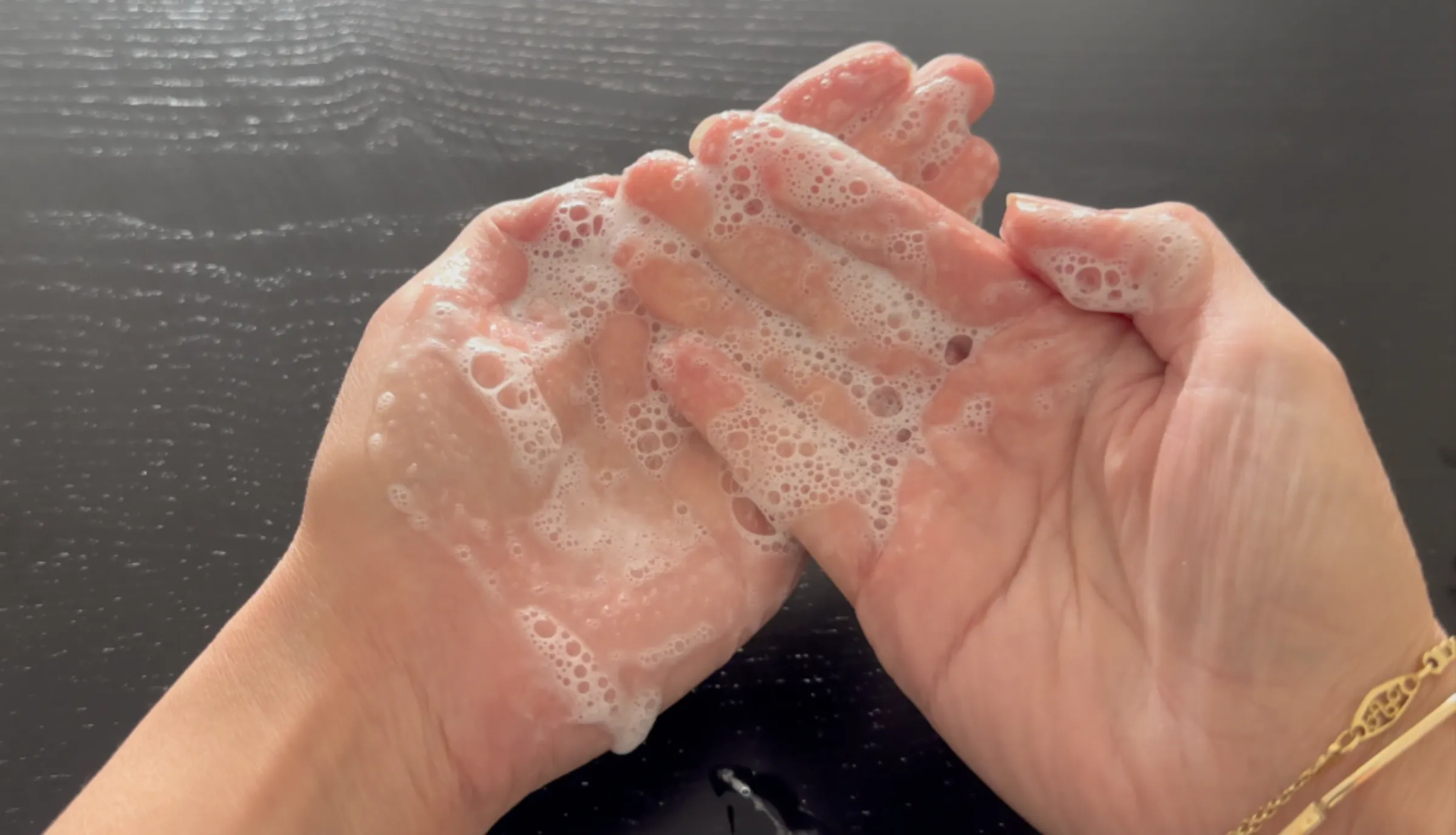
This shampoo is a great example of how a relatively simple formula can still deliver a well-balanced result when each ingredient is chosen with a clear purpose. By combining a strong but controlled cleansing system with conditioning and soothing ingredients, you get a shampoo that cleans effectively while still respecting the scalp and the hair fiber.
One of the key things to understand with this type of formula is that small adjustments can change the result quite a lot. Changing the surfactant ratio will affect foam and mildness, swapping extracts will shift the focus toward soothing, hydration, or protection, and even slight changes in percentages can impact how the shampoo feels during and after use. For this reason, it's always best to work in small batches, test, and observe how the formula behaves over time.
This formula is designed to be a clean, functional base that you can build on. You can adjust the actives, change extracts, or fine-tune the surfactant system depending on your hair type and goals, while keeping the core structure intact.
The final texture is expected to be a fluid, pourable shampoo with a lightly cushioned feel. It is not designed to be a thick gel shampoo, but the SCS and coco betaine system gives the formula more body than water while keeping it easy to spread, foam, and rinse.
I hope you will make this shampoo and enjoy this formula, use it as a base to experiment with your own variations, and if you do, come share your version in the forum.