
Guides
Foundational guides on emulsions, preservatives, surfactants, pH, and ingredient categories — the why behind every recipe.
15 recipes
Activated Charcoal in Skincare — What It Actually Does (and What It Doesn't)
An honest, evidence-based look at activated charcoal — how it really works on the skin, where it makes sense in a formula, where it doesn't, and the safety issues most blogs skip.
Definitions in Cosmetics — and What They Mean
Plain-English definitions for the techniques every DIY formulator runs into: trace, gel phase, heat-and-hold, phase order, saponification, and more — with the why behind each one, not just the what.
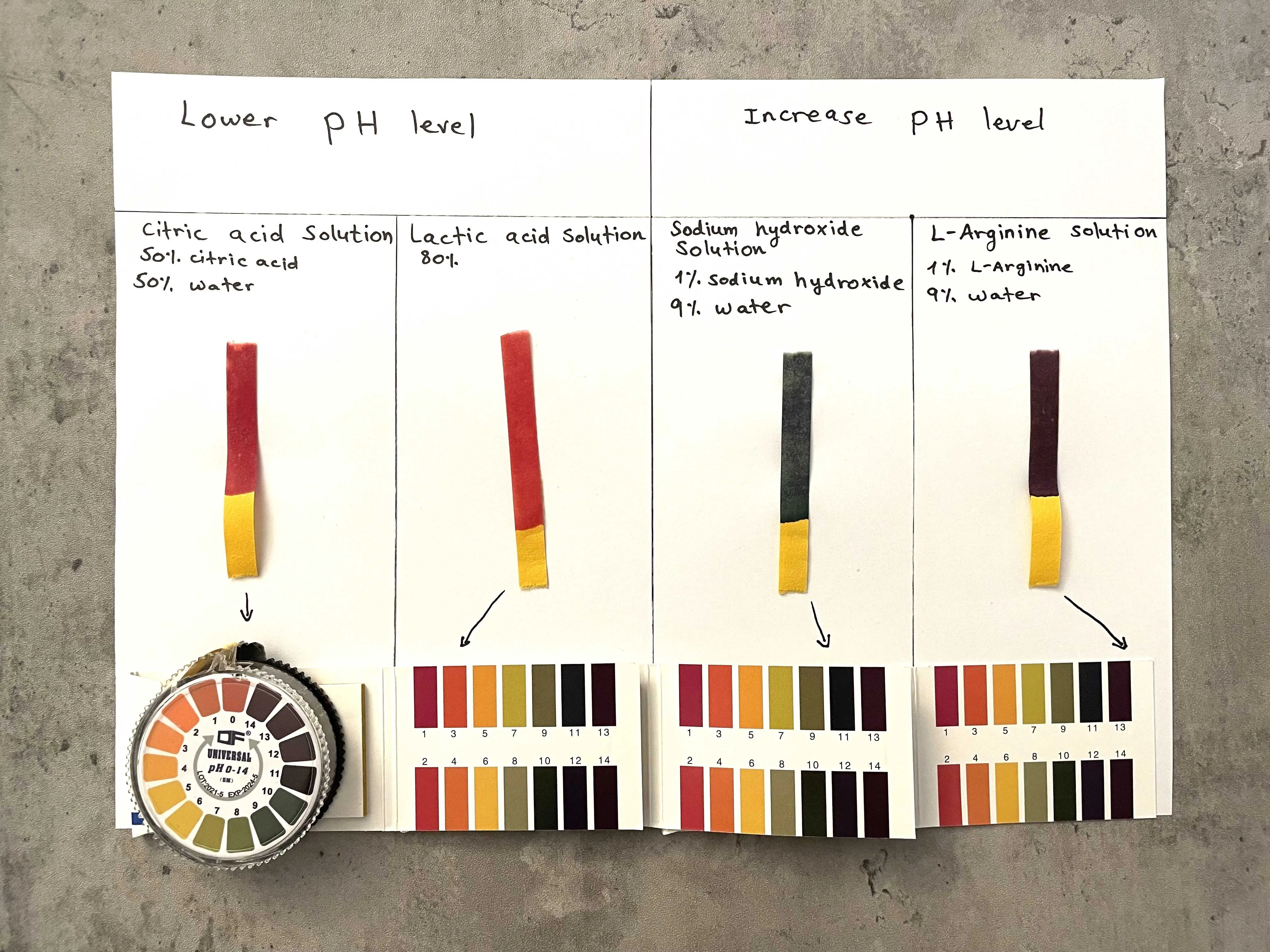
How to Test and Adjust pH in Skincare
Skin sits at pH 4.5-5.5. Target pH ranges for cleansers, serums, creams and soaps — plus how to lower or raise pH safely with citric or lactic acid.
Surfactants In Cosmetics
A friendly guide to surfactants in cosmetics — solid, liquid, anionic and amphoteric types. Where to use each, with INCI names and pH targets.
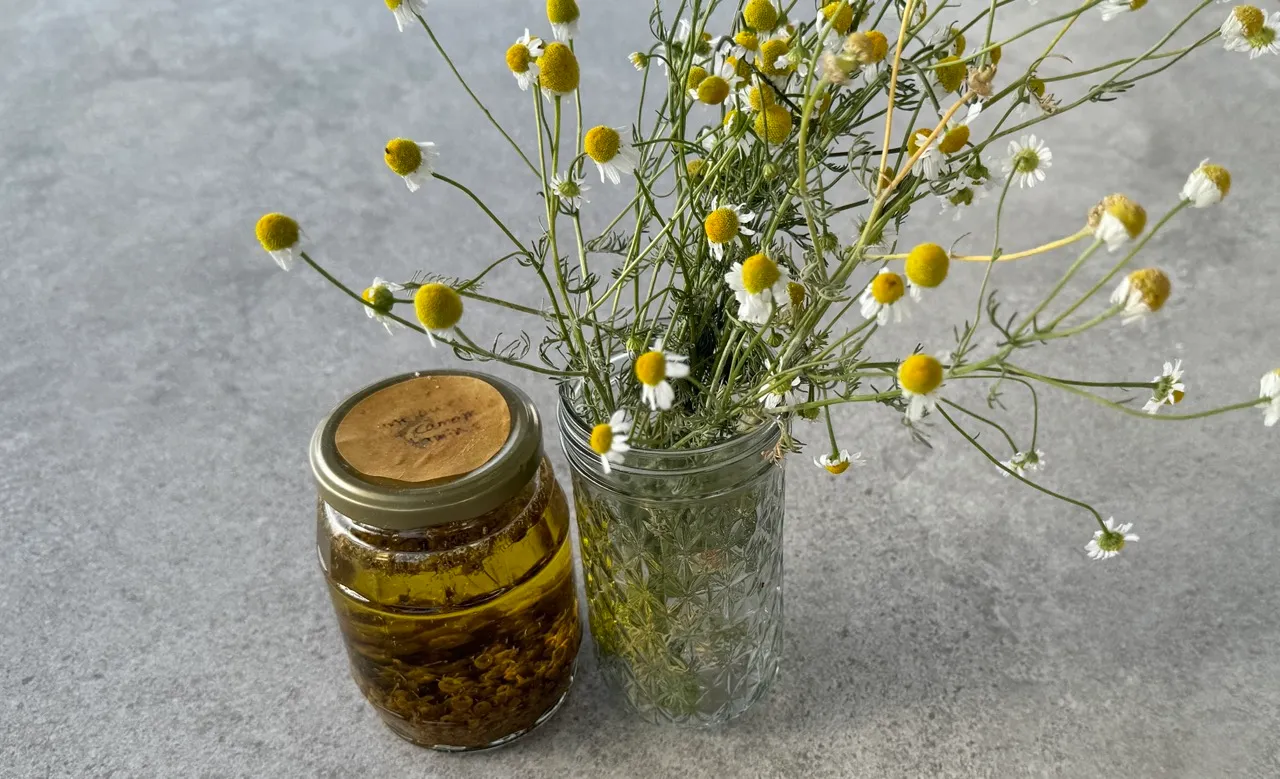
Chamomile In Cosmetics Guide And Formulas For Skin Care Products
A friendly guide to using chamomile in skincare — how to make chamomile glycerite, infused oil and three working formulas with exact percentages.
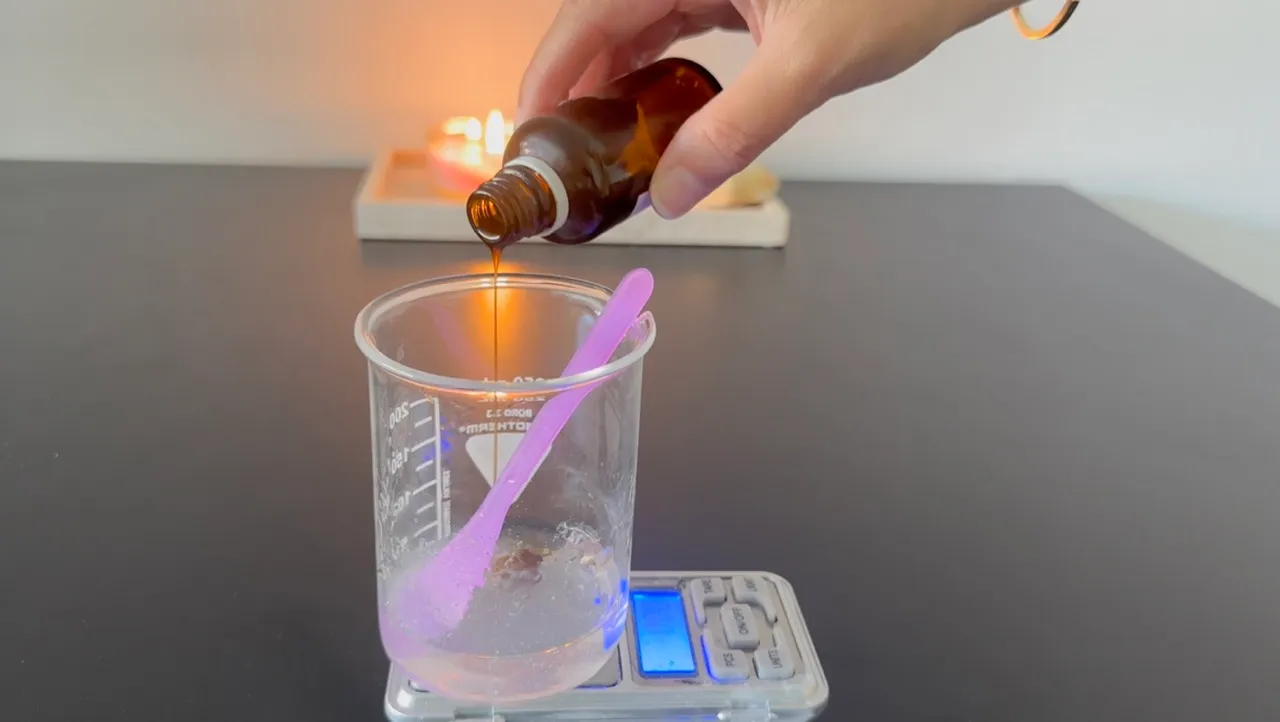
Salicylic Acid Skincare at Home: Safe Use + 2 Recipes (Toner & Serum)
Salicylic acid is the gold-standard BHA for clogged pores and oily skin. Safe home percentages (0.5-2%), pH 3-4 targets and two working recipes inside.
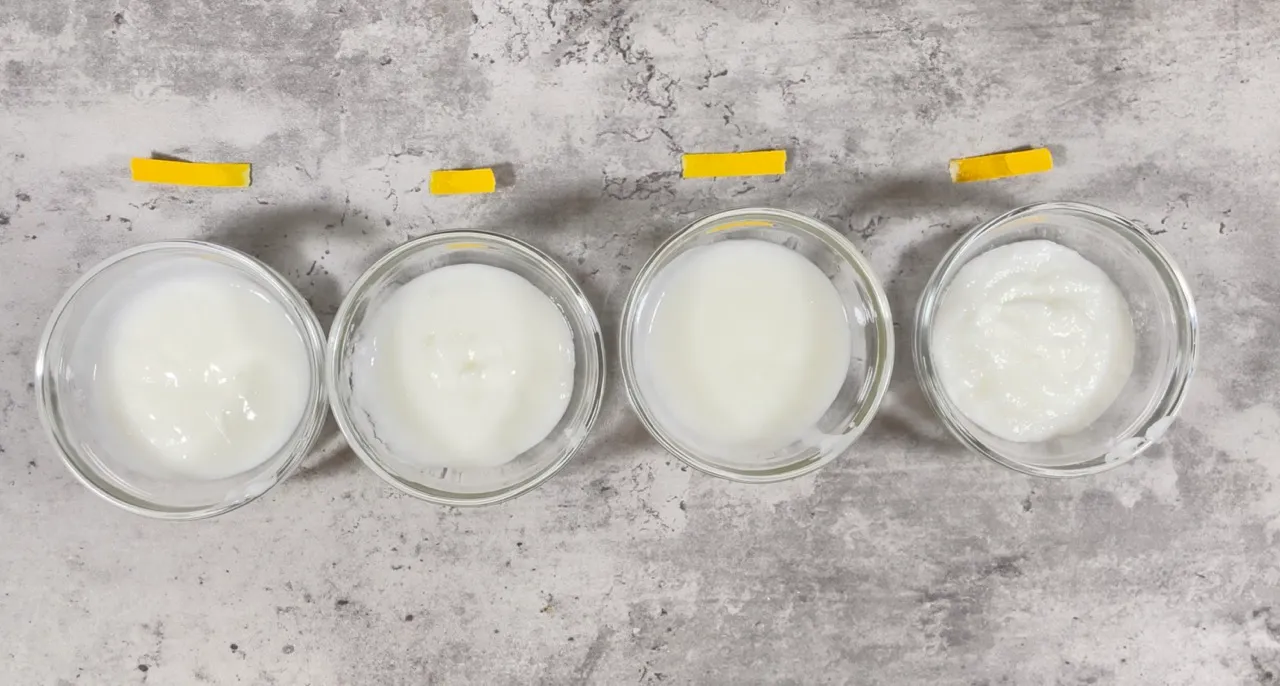
How to Make a Basic Lotion / Cream
A friendly guide to making your first lotion or cream at home. Phases, emulsifiers, ratios and a beginner-friendly recipe with exact percentages.
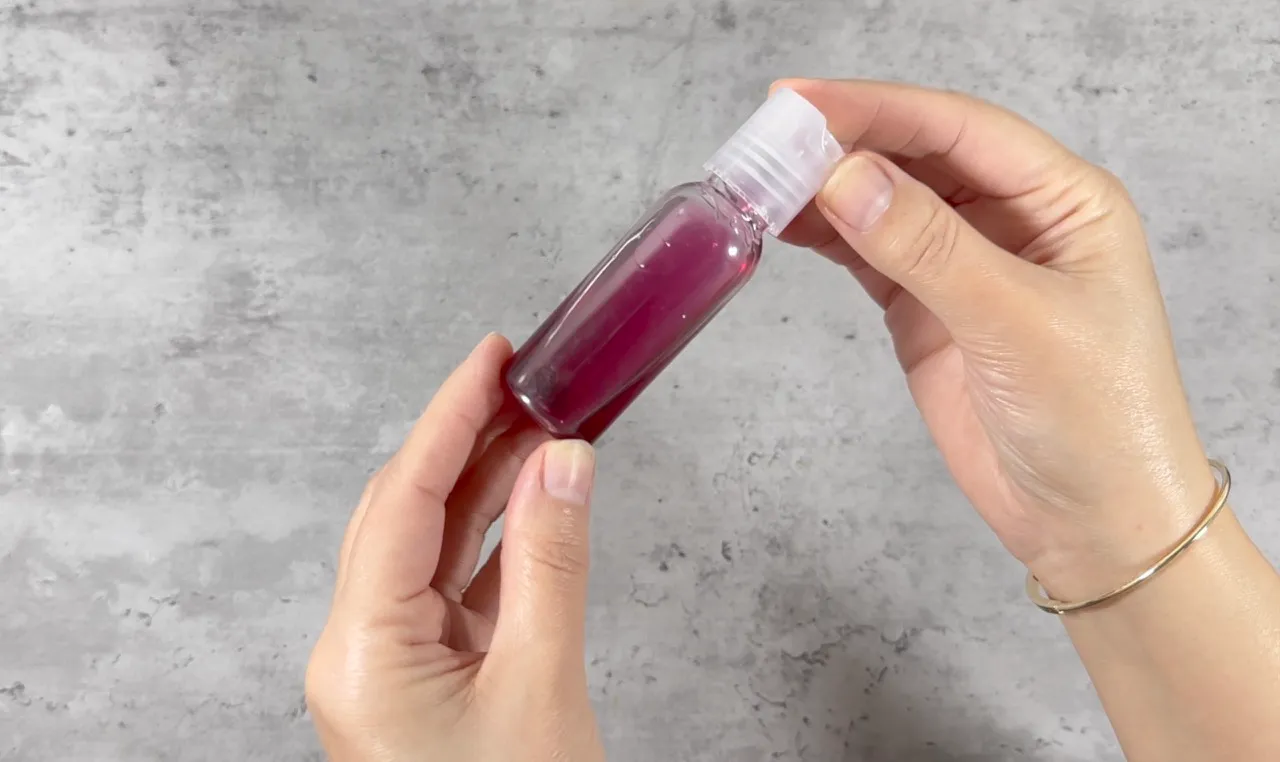
Blueberry Glycerin Extract
Make a blueberry glycerite extract at home — a natural way to add color and actives to skincare. Step-by-step method, ratios and shelf-life notes.
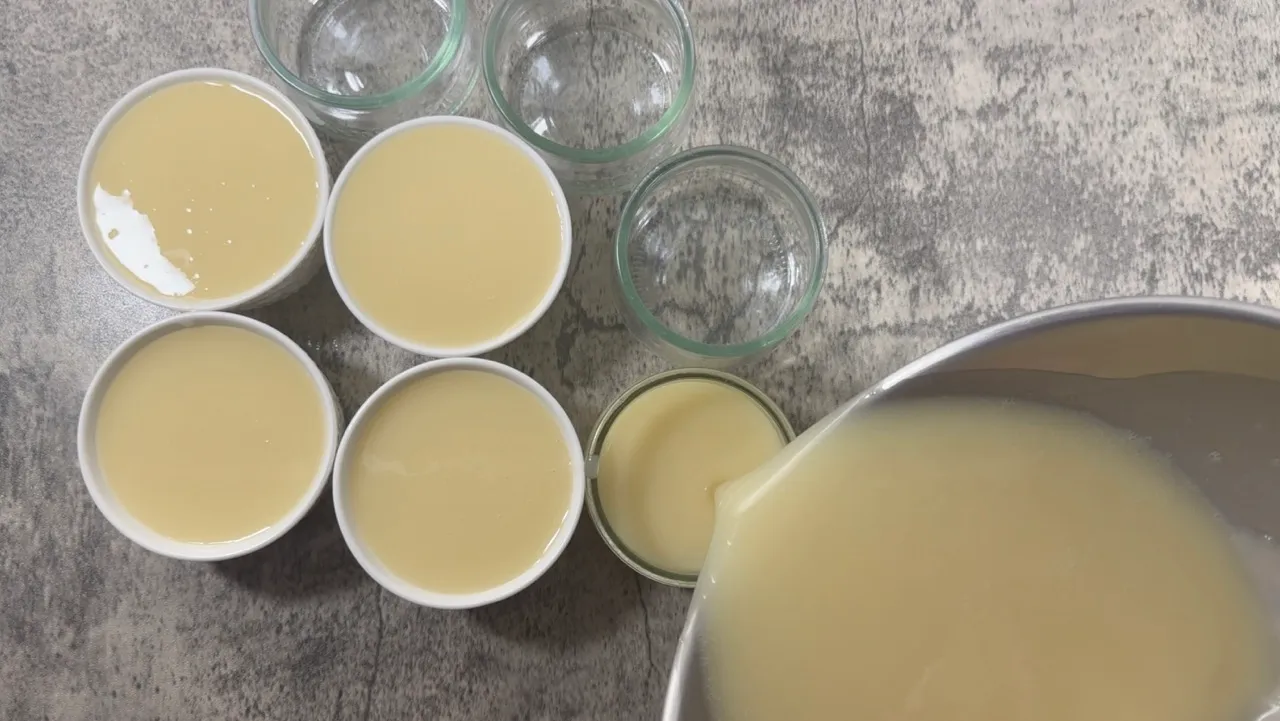
Solid Dish Soap Bar Recipe (Zero-Waste, 5 Ingredients, Lasts 3 Months)
A single solid dish-soap bar that replaces 3+ bottles of liquid soap. Zero-waste, coconut-oil base, lemon EO — full cold-process recipe with lye math.
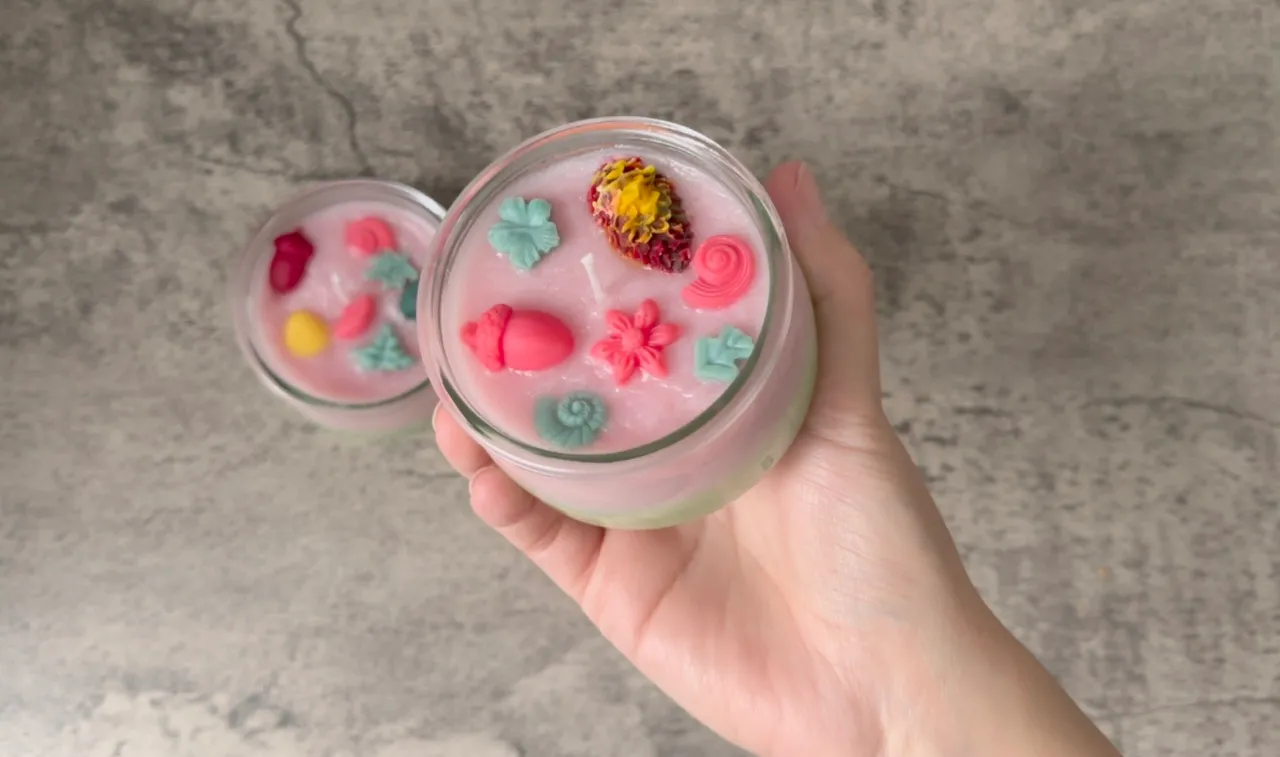
Soy Wax Candles
Make natural soy wax candles at home with cotton wicks and your favorite scent. Step-by-step pouring guide with exact ratios and curing notes.
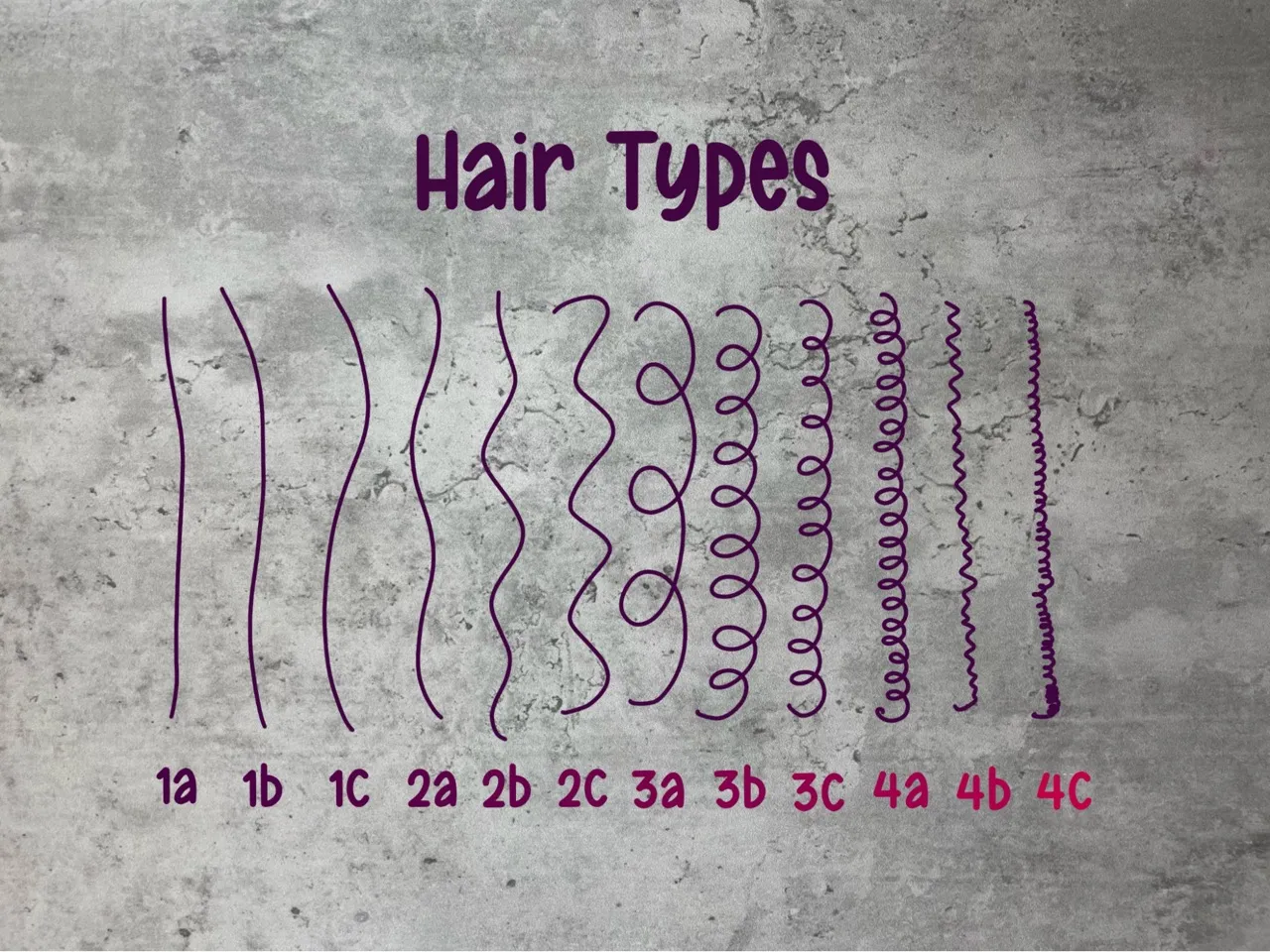
Hair Types and Needs
A friendly guide to hair types, scalp pH and what each type actually needs. Picking the right shampoo, conditioner and treatments for your hair.
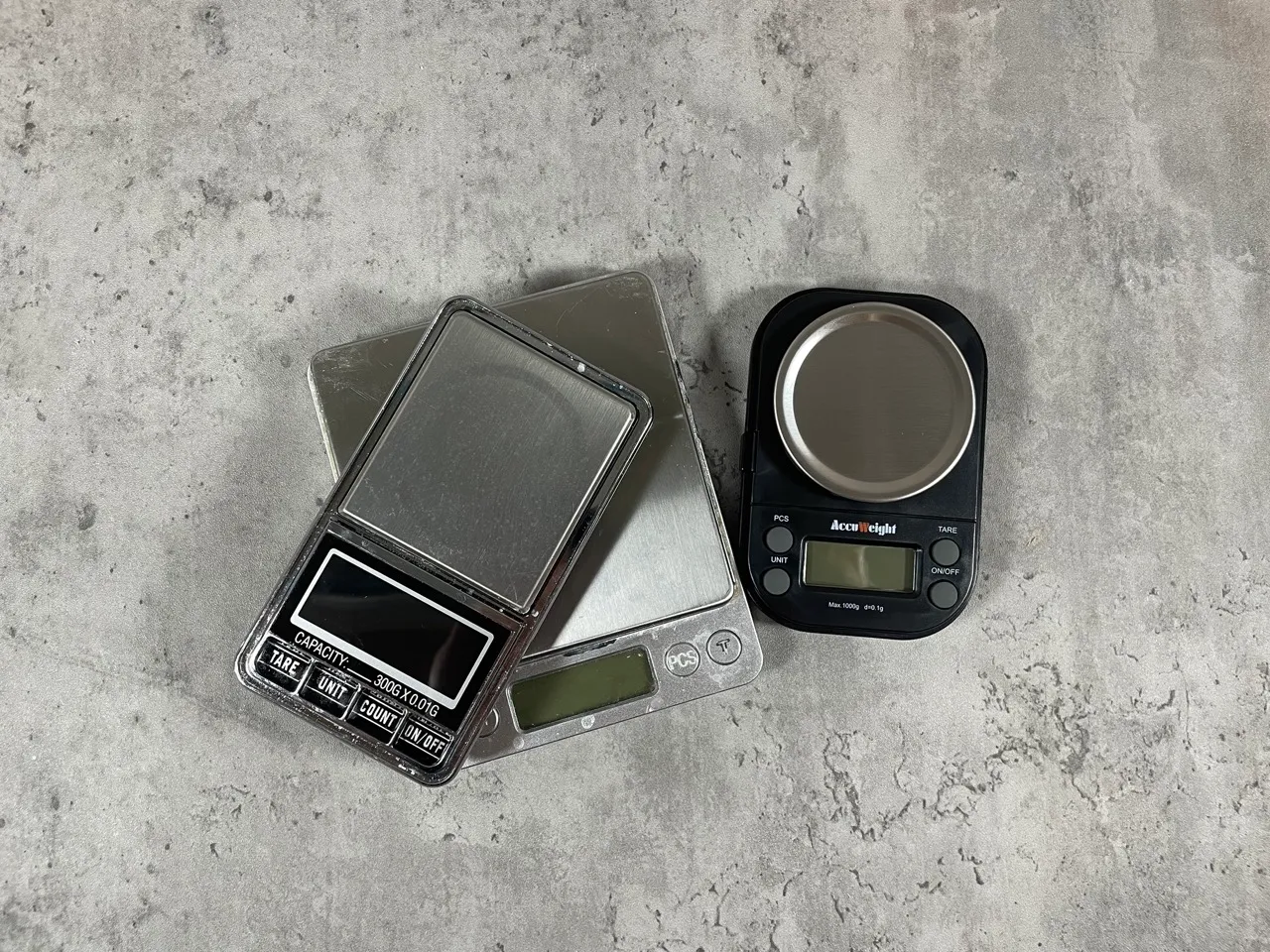
Ingredients and Tools to Start Making Your Cosmetics
The starter ingredients and tools you actually need to begin making cosmetics at home. A clear, no-fluff shopping list for absolute beginners.
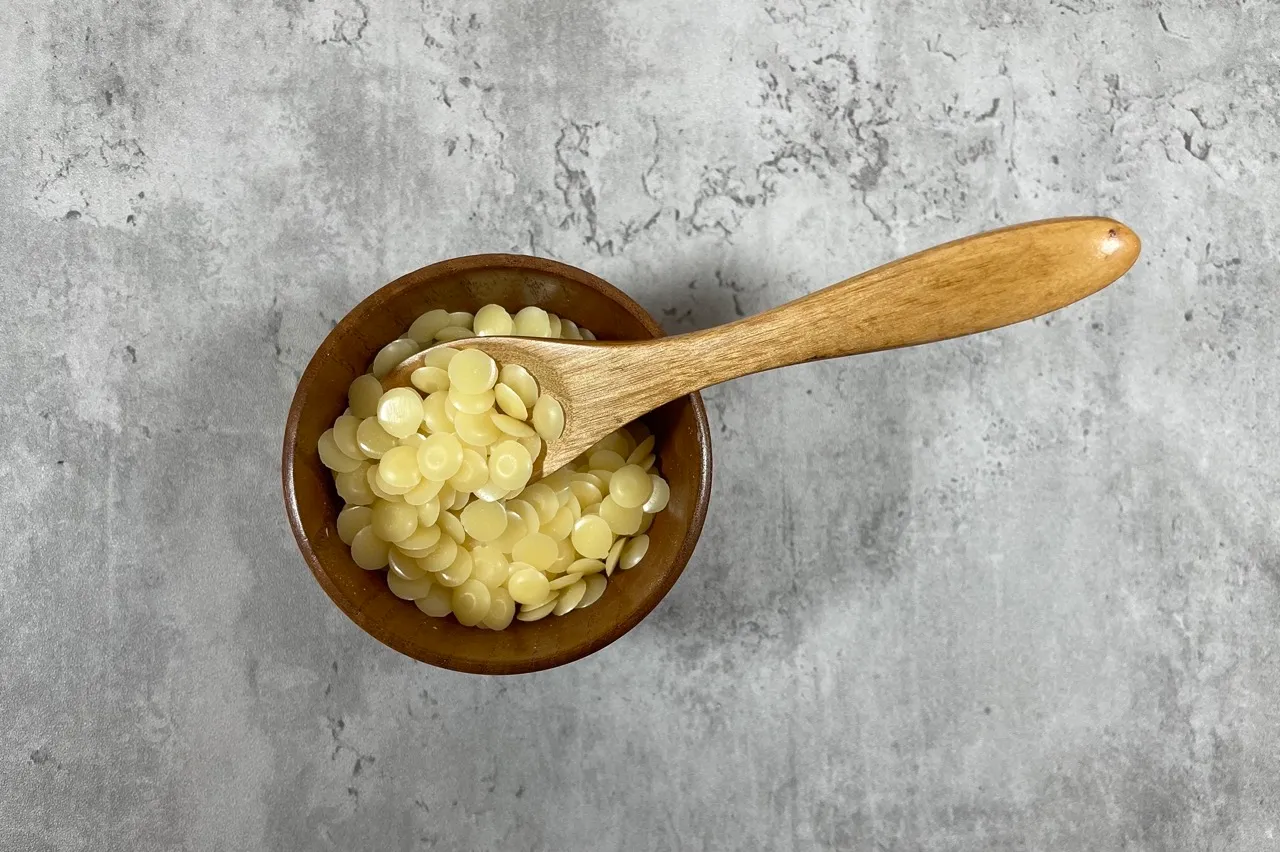
Waxes in Cosmetics
A friendly guide to waxes in cosmetics — beeswax, candelilla, carnauba and berry wax. Melting points, swaps and what each one does in a formula.
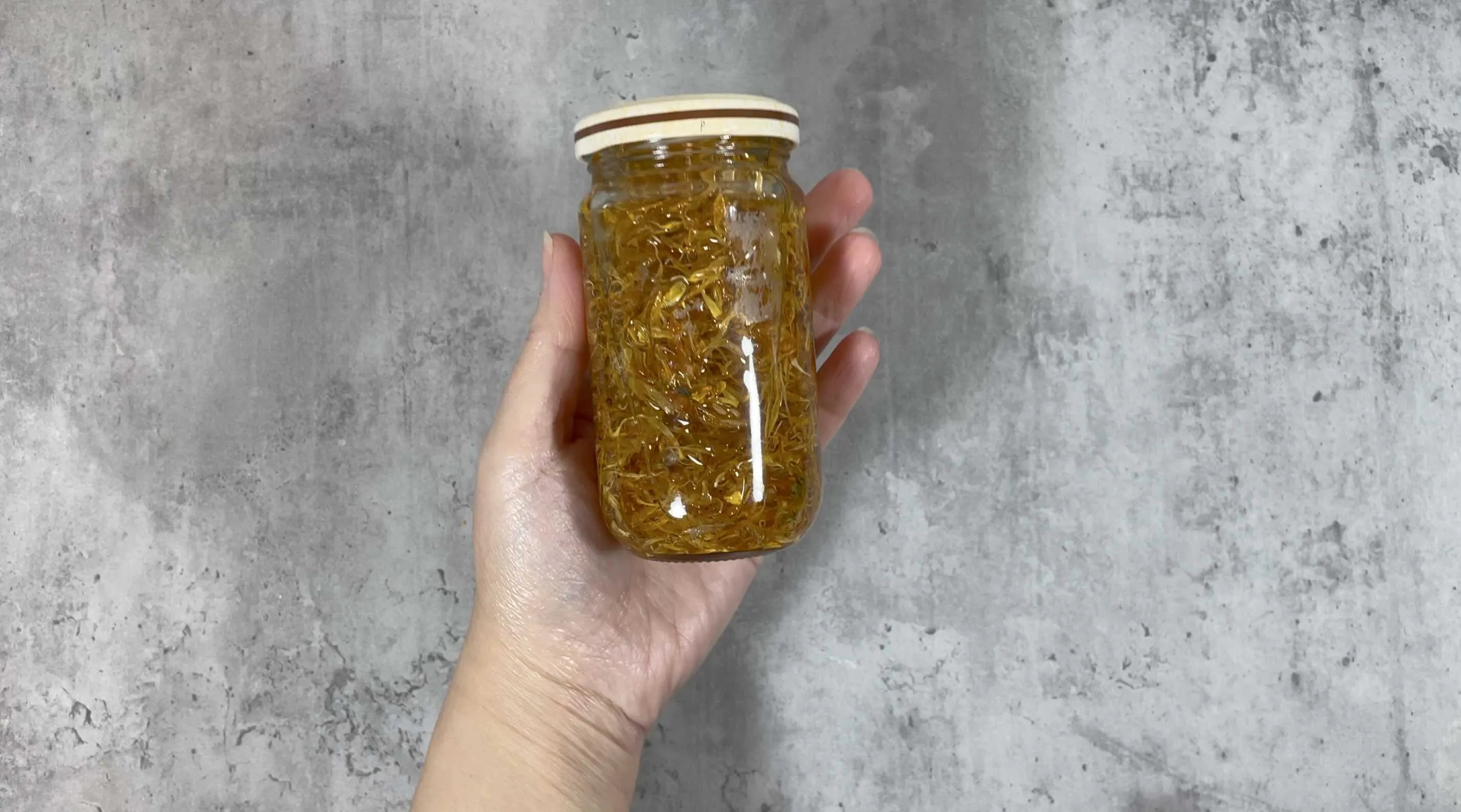
Infusing Oils (no heating)
A step-by-step guide to infusing oils with herbs, powders and botanicals — no heating needed. Ratios, timelines, storage and ideas for what to infuse.
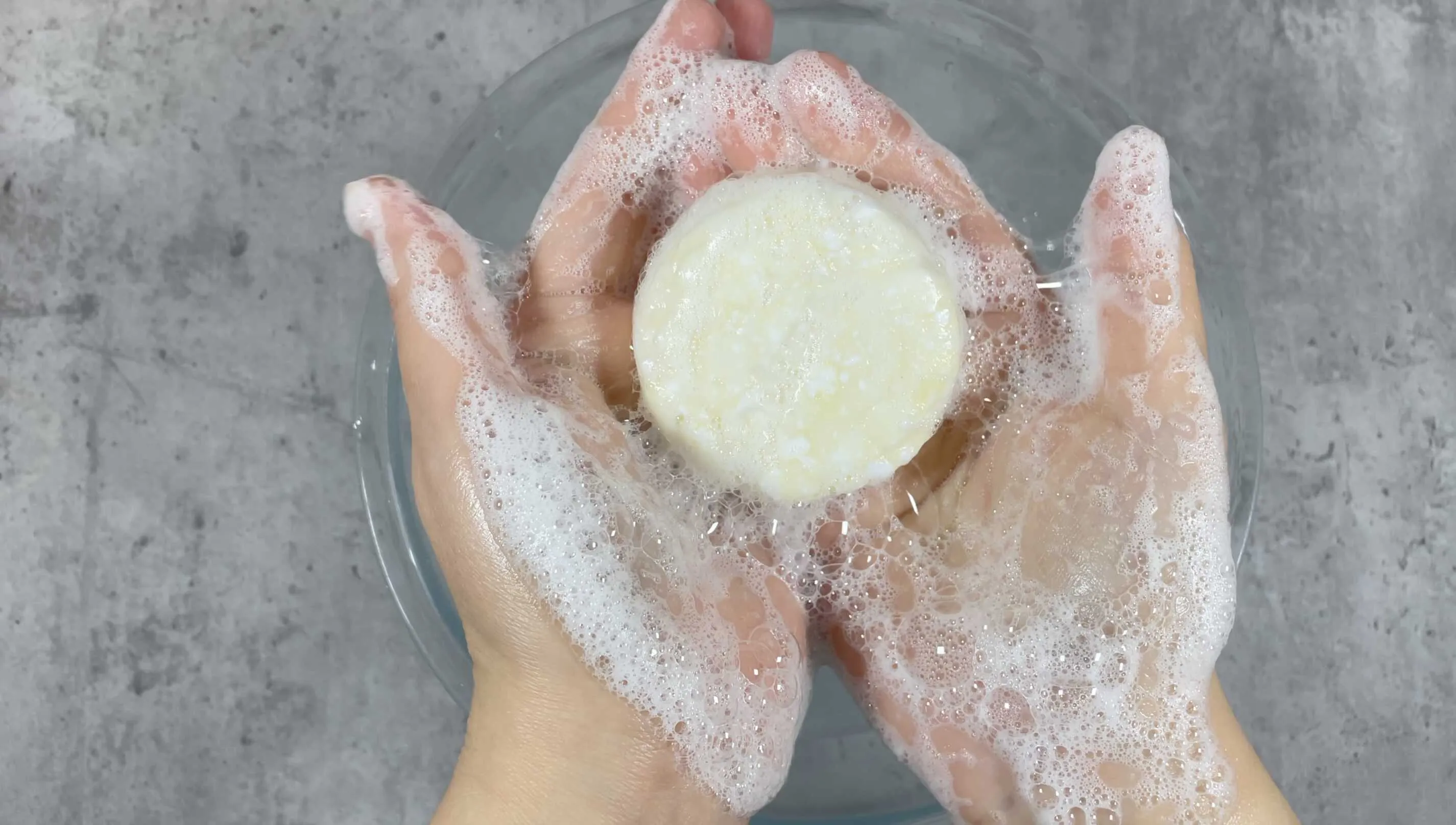
Shampoo Bar for Beginners
A beginner-friendly solid shampoo bar recipe with SCI and gentle additives. Step-by-step photos, full ingredient list and safety notes for first-timers.