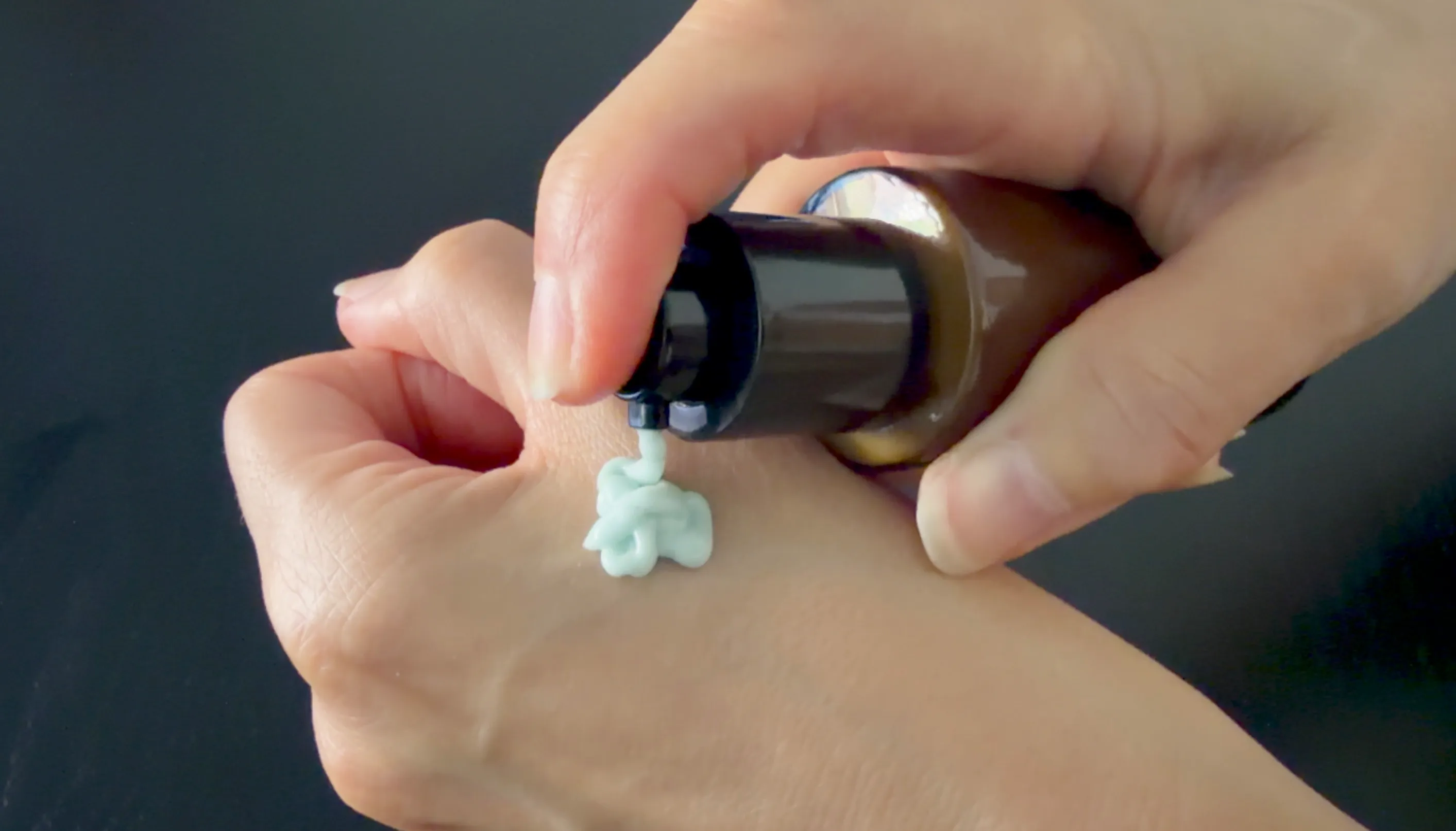
In this post, we'll walk through a calming blue tansy face cream formula, explain how this type of cream works, describe the role of each ingredient, and explore alternatives depending on availability or preference. We'll also cover who this cream is for and how to use it.
This formula is designed to be lightweight, soothing, and barrier-supporting, making it suitable for daily use — especially for sensitive, reactive, or easily-reddened skin that needs calming rather than heavy nourishment.
Come join the forum, ask questions, learn from others, and share your own knowledge with the community.
You can support this website through the Buy Me a Coffee platform. Your donation helps me continue creating free formulas, detailed written posts, tutorials, and educational content for anyone who wants to learn how to make their own cosmetic products.
Running the website takes time and effort, from researching ingredients and testing formulas to writing posts, filming videos, editing content, and maintaining the site. Even a small donation helps support this work and allows me to keep sharing useful content for free.
If you find the website helpful and want to support future formulas and tutorials, you can donate through Buy Me a Coffee. Your support is truly appreciated.
How This Cream Works
This cream is built around two main ideas: calming + barrier hydration.
Blue tansy is the heart of the formula. Steam-distilled from the yellow flowers of Tanacetum annuum, it's naturally deep blue thanks to a molecule called chamazulene — the same calming compound that gives German chamomile its colour. That blue is the marker of an essential oil made to soothe redness and quiet irritated skin. Cucumber extract and centella work alongside it, adding their own soothing and repairing properties.
Niacinamide works differently. It helps strengthen the skin barrier, regulate oil production, and even out skin tone over time, while the humectants and light oils keep the skin hydrated and comfortable.
Together, these ingredients create a cream that:
- calms the look of redness
- soothes sensitive, reactive skin
- hydrates without feeling heavy
- supports and reinforces the skin barrier
About This Cream
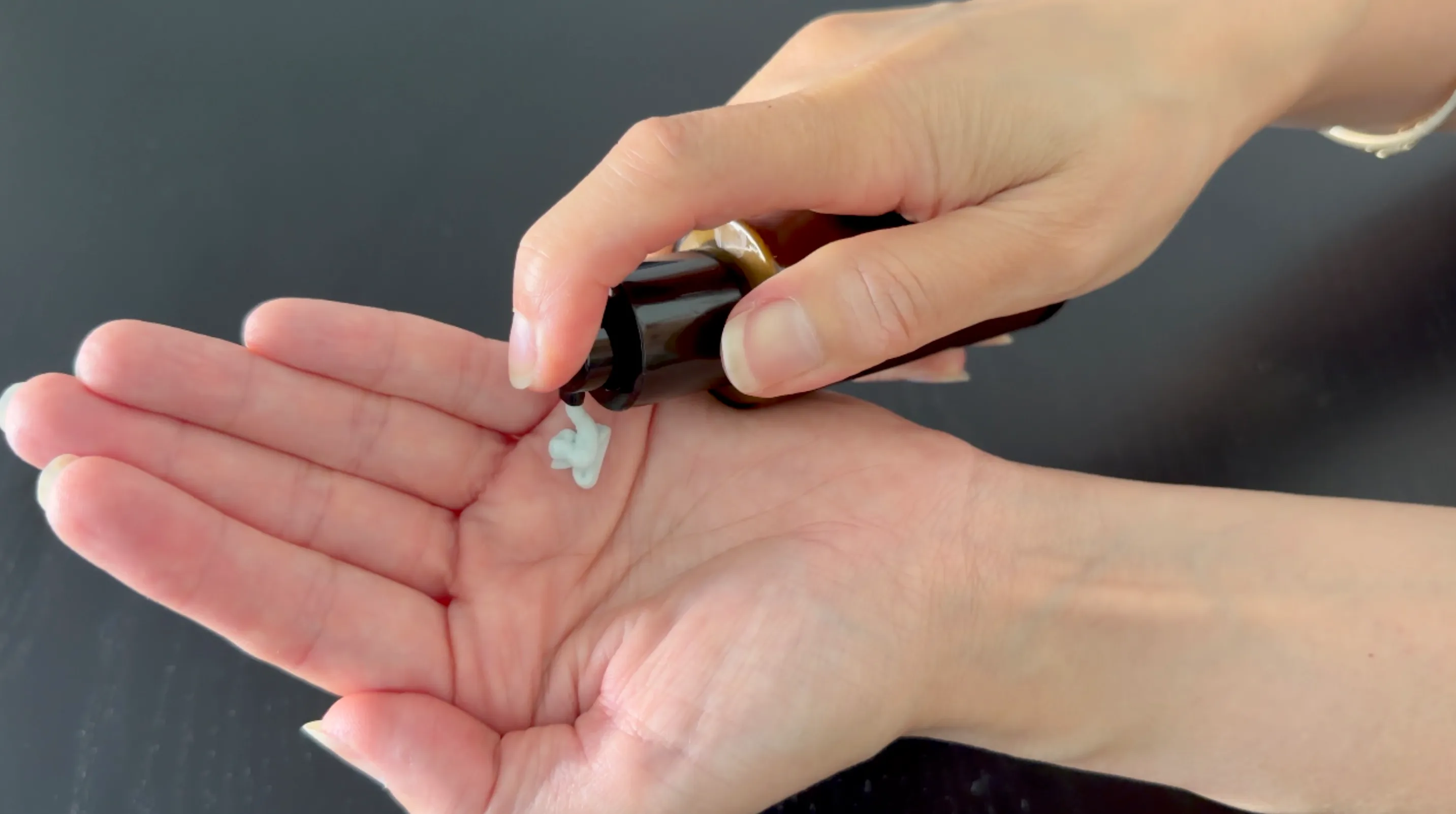
This formulation is a light oil-in-water emulsion — a proper face cream that sinks in rather than sitting on top of the skin. It combines a water phase with a small oil phase to give a soft, breathable feel and good ingredient delivery.
It is designed to be:
- lightweight and fast-absorbing
- soothing and non-irritating
- suitable for sensitive, normal, and combination skin
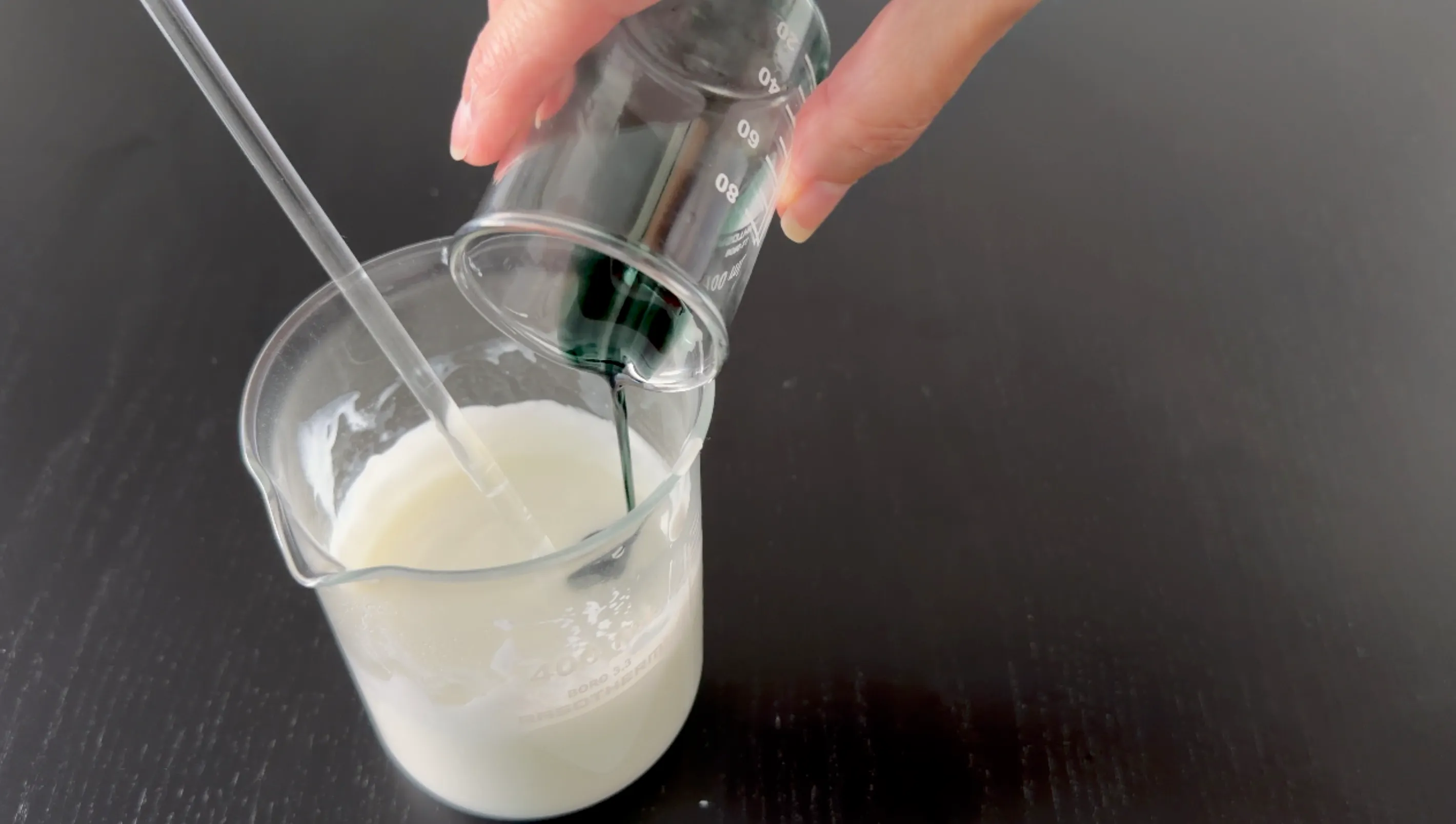
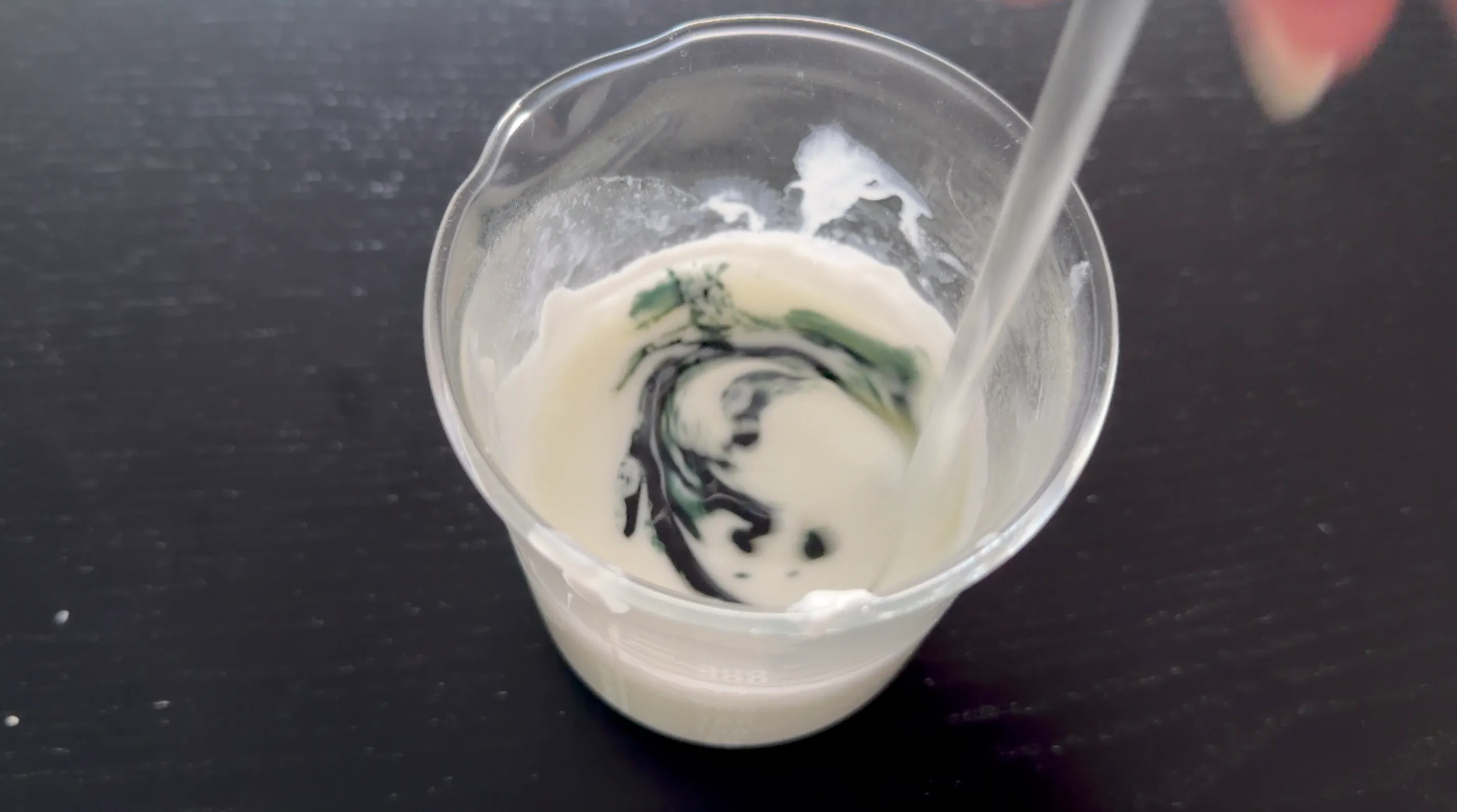
Thanks to the blue tansy, the finished cream has a soft, natural blue-green tint, so you don't need to add any colourant.
How to Use the Cream
Apply a small amount to clean skin once or twice daily.
It can be used:
- in the morning as a calming daytime moisturiser
- in the evening as the final step of your routine
- after a hydrating serum, to seal everything in
What to Use With This Cream
This cream is the moisturising and sealing step of a routine, so it works best after cleansing and any treatment steps. Start with a gentle cleanser — the Gentle Micropeeling Foaming Cleanser is a good match, as it cleans without stripping, which keeps sensitive skin calm before you moisturise.
If your skin needs extra hydration, you can apply a lightweight, water-based serum first and then follow with this cream. The serum delivers active ingredients and hydration to the upper layers of the skin, but that hydration can be lost through transepidermal water loss; this cream plays an important role by forming a soft protective layer that helps retain moisture, reinforce the skin barrier, and keep the skin comfortable throughout the day. Together, the serum acts as the treatment step and the cream acts as the protective, sealing step — a balanced routine that leaves skin calmer, more hydrated, and more comfortable.
Final Texture and Storage
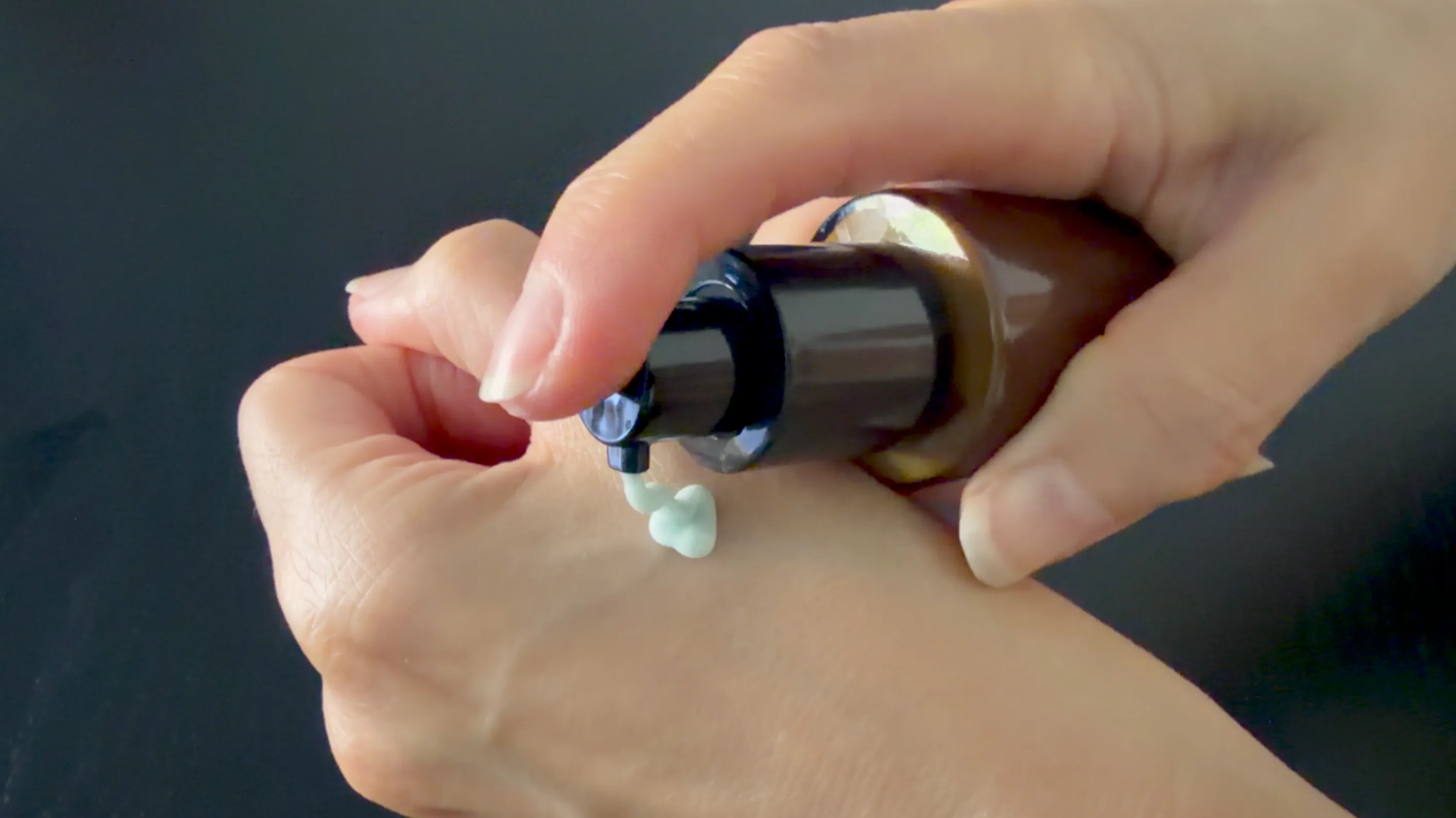
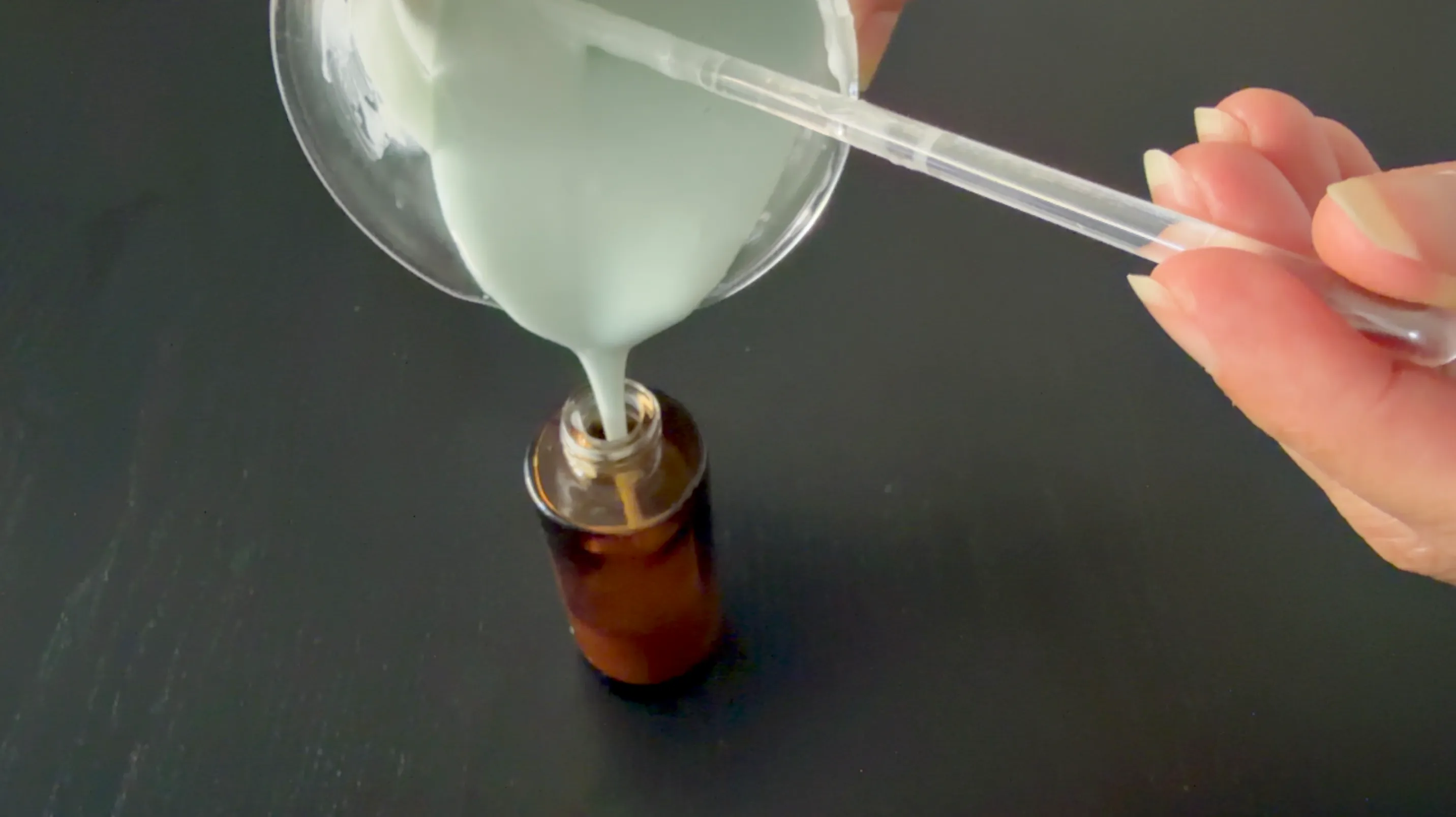
The cream may look ready immediately after mixing, but the final texture typically develops over 12–24 hours as the xanthan gum fully hydrates and the emulsion stabilises, allowing the viscosity to settle and the texture to become smoother and more uniform — so it's important to let the formula rest before judging its consistency or making adjustments. During this time, any trapped air can also rise and dissipate, improving the final feel. Once it has settled, store the cream in a clean, airtight jar or, ideally, an airless or pump container, preferably opaque or dark to minimise exposure to light and air, as this helps preserve the stability of the emulsion, maintain the effectiveness of the ingredients, and extend shelf life.
Shelf Life
This cream is a water-based formula, which means it requires proper preservation and handling to remain safe and stable over time. When made correctly and with a suitable preservative system, the expected shelf life is typically 3 to 4 months under normal conditions.
Shelf life depends on several factors, including the effectiveness of the preservative, the cleanliness of your equipment during formulation, and how the product is stored and used. It also depends on the shelf life of the individual ingredients, as expired or degraded raw materials can shorten the stability and safety of the final product.
To maximise shelf life:
- Always use clean and disinfected tools and containers
- Store the cream in a cool, dry place, away from direct sunlight
- Prefer airless or pump packaging to reduce contact with air and bacteria
- Avoid dipping fingers directly into the product
Over time, monitor the cream for any changes in smell, colour, texture, and pH. Any noticeable change may indicate the product is no longer stable or safe to use.
Ingredient Breakdown and Alternatives
Let's go over the ingredients in this formula and their alternatives:
Blue Tansy Essential Oil
Blue tansy (Tanacetum annuum) is a small flowering herb in the Asteraceae family — the same big plant family as chamomile, calendula, and daisies. It grows wild around the Mediterranean basin, and the oil prized in skincare comes almost entirely from the northwest of Morocco and parts of southern Spain, where the plant thrives in dry, sunny soil. It produces clusters of small yellow flowers, and it's these flowers — not the leaves or stems — that are steam-distilled to make the essential oil.
One thing worth knowing: despite the shared name, blue tansy is not the same plant as common tansy (Tanacetum vulgare). Common tansy is high in a compound called thujone and isn't considered safe for skincare. Tanacetum annuum — the true "blue tansy" — is a different, gentler species, and it's the only one you want in a face cream. When buying, always check that the botanical name on the bottle reads Tanacetum annuum.
Why it's blue? Here's the surprising part: the fresh flowers aren't blue at all — they're yellow. The deep, almost ink-blue colour only appears during steam distillation, when the heat transforms compounds in the plant into a molecule called chamazulene. Chamazulene is what gives the oil its striking azure colour, and it's the same calming compound that turns German chamomile and yarrow oils blue too. So the colour isn't a dye or an additive — it's a natural marker that the oil is rich in its most soothing component. Alongside chamazulene, blue tansy contains sabinene, myrcene, β-pinene, and a small amount of camphor. The exact balance shifts a little from harvest to harvest, which is why the blue can range from a soft sky tone to a deep navy depending on the batch.
What it does for the skin? Blue tansy is valued in skincare mainly for one thing: calming. Thanks to its chamazulene content, it's widely used to soothe the look of redness and comfort sensitive, reactive, or easily-irritated skin. It has a reputation for being one of the gentlest, most calming essential oils available, which is exactly why it suits a face cream aimed at skin that flares up easily. It also carries antioxidant properties, helping protect the skin from everyday environmental stress, and its soft, herbaceous-sweet aroma has a grounding, relaxing quality that makes the cream pleasant to use.
A note on how suppliers sell it: This is important for formulating, because blue tansy is one of the more expensive and potent essential oils, and not every bottle is the same strength. Because the pure oil is so concentrated, intensely coloured, and costly, many suppliers sell it pre-diluted rather than at 100%. The most common way is to blend it into a carrier oil — very often jojoba — at something like 5% or 10% blue tansy. Some also sell it as part of a ready-made "calming blue" blend alongside other soothing oils such as German chamomile, helichrysum, or lavender, which share a similar gentle, anti-redness character and round out the aroma.
What this means for you: always check whether your bottle is pure essential oil or already diluted, because it completely changes how much to use. If your blue tansy is pure (100%), the 0.4% in this formula is right. But if it's already diluted — say, 10% blue tansy in jojoba — then most of what you're adding is carrier oil, and you'd need to adjust the amount (and account for the extra oil in your oil phase) to get the same calming effect. The label or the supplier's technical sheet will tell you the concentration; if it doesn't say "100% pure essential oil," assume it may be a blend and ask.
A pre-diluted blue tansy isn't a worse product — for a beginner it can actually be easier and safer to dose — but you have to know which one you're holding before you weigh it into a formula.
Using it safely
- Keep it low in leave-on products — around 0.4–0.5% for a face cream is plenty.
- It will naturally tint your cream a soft blue-green, so you won't need any colourant; at higher doses it can even leave a faint tint on very pale skin.
- Not recommended during pregnancy, while breastfeeding, or on children under 6.
- As with any essential oil, patch-test before regular use, especially on sensitive skin.
Propanediol
Propanediol is a multifunctional ingredient that acts as a humectant, a solvent, and a texture enhancer. It draws water into the skin, reduces stickiness compared to glycerin, and is where we disperse the xanthan gum before it touches water, which prevents lumps.
Alternatives:
- Glycerin → classic humectant, slightly tackier feel.
- Butylene Glycol → lighter feel, good solvent.
- Pentylene Glycol → similar to propanediol with a small preservative-boosting effect.
Aquaxyl
Aquaxyl is a moisturising sugar complex that helps the skin hold onto water and supports its own barrier over time. It's a comfort booster that improves long-term hydration.
Alternatives:
- Glycerin → simple, reliable humectant; keep the same 2%.
- Sodium PCA → more potent, use around 0.5–1% and add the difference to the distilled water.
- Sodium Hyaluronate → use 0.1–0.3% for a hyaluronic-style hydration, adjusting the water to keep the total at 100%.
Niacinamide
Niacinamide supports the skin barrier and improves overall skin tone. It helps regulate oil production, reduce the look of redness, and smooth texture. It's water-soluble and not heat-sensitive, so it goes in the water phase.
Alternative:
- Panthenol (Pro-vitamin B5) → a soothing, hydrating, barrier-supporting active and a gentle alternative to niacinamide. It doesn't regulate oil or target pigmentation, but it's very calming and ideal for sensitive skin. If you use panthenol instead, add it in Phase C (the cool-down phase), not the heated water phase.
Olivem 1000
Olivem 1000 is a gentle, skin-compatible emulsifier derived from olive oil that blends water and oil into a stable, lightweight emulsion while improving texture and giving the cream a soft, natural, skin-like feel. It's a great choice for sensitive and mature skin.
Alternatives:
- Montanov 68 → the texture will be slightly thicker and more cushiony. Consider using 4% and reducing the distilled water by 1% to keep the total at 100%.
- Glyceryl Stearate Citrate → thinner and slightly less stable, so add a co-emulsifier such as cetyl alcohol at 1%, reduce the water by 1%, and increase the xanthan gum to 0.3% (reducing the water by another 0.1%).
- Cera Lanette N (Cetearyl Alcohol, Sodium Cetearyl Sulfate) → a richer, more classic cream feel; use within its recommended range for creams.
Using a different emulsifier can significantly change the final texture, thickness, spreadability, absorption, stability, and skin feel, because each one behaves differently even at the same percentage. For this reason, always make a small test batch first, check the consistency after 24 hours, and only scale up once you're happy with the result.
Cetyl Alcohol
Cetyl alcohol is a fatty alcohol (nothing like drying alcohol) that gives the cream its soft body and helps stabilize the emulsion. You can replace it with cetearyl alcohol for a slightly firmer feel.
Jojoba Oil
Jojoba is technically a liquid wax that closely resembles the skin's own sebum, so it conditions and softens without feeling heavy or clogging pores — ideal for sensitive, sometimes-oily skin.
Alternatives:
- Avocado oil → richer, better for dry skin.
- Sweet almond or abyssinian oil → light and skin-friendly.
- More squalane → for an even lighter, drier finish.
Squalane
Squalane is a stable, saturated form of squalene, a lipid your skin already makes as part of its barrier. It's silky, weightless, non-greasy, and deeply skin-compatible, which makes it perfect for a light face cream.
Alternatives:
- Cetiol CC → similar dry, fast-absorbing slip.
- Coco Caprylate → lightweight "dry oil" feel.
- Fractionated coconut oil → light and stable.
Cetiol CC
Cetiol CC is a lightweight emollient often used as a natural-feel alternative to silicones. It gives the cream a smooth, velvety slip, helps the other oils and actives spread evenly, and reduces any stickiness from the humectants, making the final texture feel more polished without being greasy.
Alternatives:
- Coco Caprylate → closest feel; lightweight and fast-absorbing.
- Squalane → slightly richer, very skin-friendly.
Disodium EDTA
Disodium EDTA is a chelating agent. It binds metal ions from water or raw materials, helping improve formula stability and preservative performance.
Alternatives:
- Sodium Phytate — a more natural-style chelator, suitable if you want a more natural positioning. Usually weaker than EDTA.
- GLDA — another biodegradable chelator that works well in many formulas.
A Quick Note on Chelating Agents
Chelating agents are essential ingredients in many skincare formulations, including face creams and gels. Their main role is to bind and neutralize metal ions such as iron, calcium, and magnesium, which can be present in both water and raw materials.
These metal ions can negatively affect a formula in several ways. They can catalyze oxidation, leading to the degradation of sensitive ingredients like antioxidants, vitamins, and oils. Chelating agents prevent this by binding to the metals, helping to stabilize the formula and extend its shelf life. They also improve preservative performance, as metal ions can interfere with preservative systems if left unbound.
Without a chelating agent, metal contamination may cause a product to discolor, develop off-odors, or separate over time — resulting in a product that is less stable, less effective, and less pleasant to use.
What If You Don't Have a Chelating Agent?
When making DIY skincare products and a chelating agent isn't available, there are several steps you can take to reduce instability:
- Always use distilled water, which is free from mineral impurities.
- Choose high-quality materials that are less likely to contain metal contaminants.
- Add antioxidants such as vitamin E (for products with oils), green tea extract (water-based), or grapefruit extract (water-based). While these are not replacements for chelating agents, they help slow oxidation.
- Expect a shorter shelf life. Without a chelator, it is best to make small batches and use the product within three months.
- Store the product in airtight, preferably dark containers, and protect it from heat and light.
Regularly monitor the product's appearance, smell, texture, and pH. Any noticeable changes may indicate degradation.
If you are not using Disodium EDTA, add 0.1% to the distilled water to adjust the formula to 100%.
Xanthan Gum
Xanthan gum thickens and stabilises the emulsion and helps keep the actives evenly suspended. At just 0.2% it gives a stable cream without a tacky feel — don't go higher or it can turn sticky.
Vitamin E
Vitamin E is an antioxidant that protects the oil phase from oxidation. You can use Rosemary Extract (Rosmarinus Officinalis Extract) instead — use it at 0.1% and add the 0.2% difference to the distilled water.
A Note on Preservatives
Because this is a water-based formula, a preservative is essential. I use Sharomix 705 here because it's broad-spectrum and well-suited to a cream full of water and plant extracts, but you may choose a different one depending on availability or preference — Cosgard (Benzyl Alcohol, Dehydroacetic Acid) is another popular option.
If you decide to substitute the preservative, remember that preservatives are not interchangeable on a 1:1 basis. Each system has its own recommended usage rate, pH range, solubility, and compatibility profile. Before substituting, always review the supplier's technical information and pay attention to: the recommended usage percentage, the effective pH range, the solubility (so it's added in the correct phase), any temperature limitations, and known incompatibilities. After choosing a preservative, you may need to adjust the water content slightly so the total stays at 100%. Always follow supplier recommendations rather than relying on general usage ranges.
Method
-
Sanitise all your equipment and work surfaces.
-
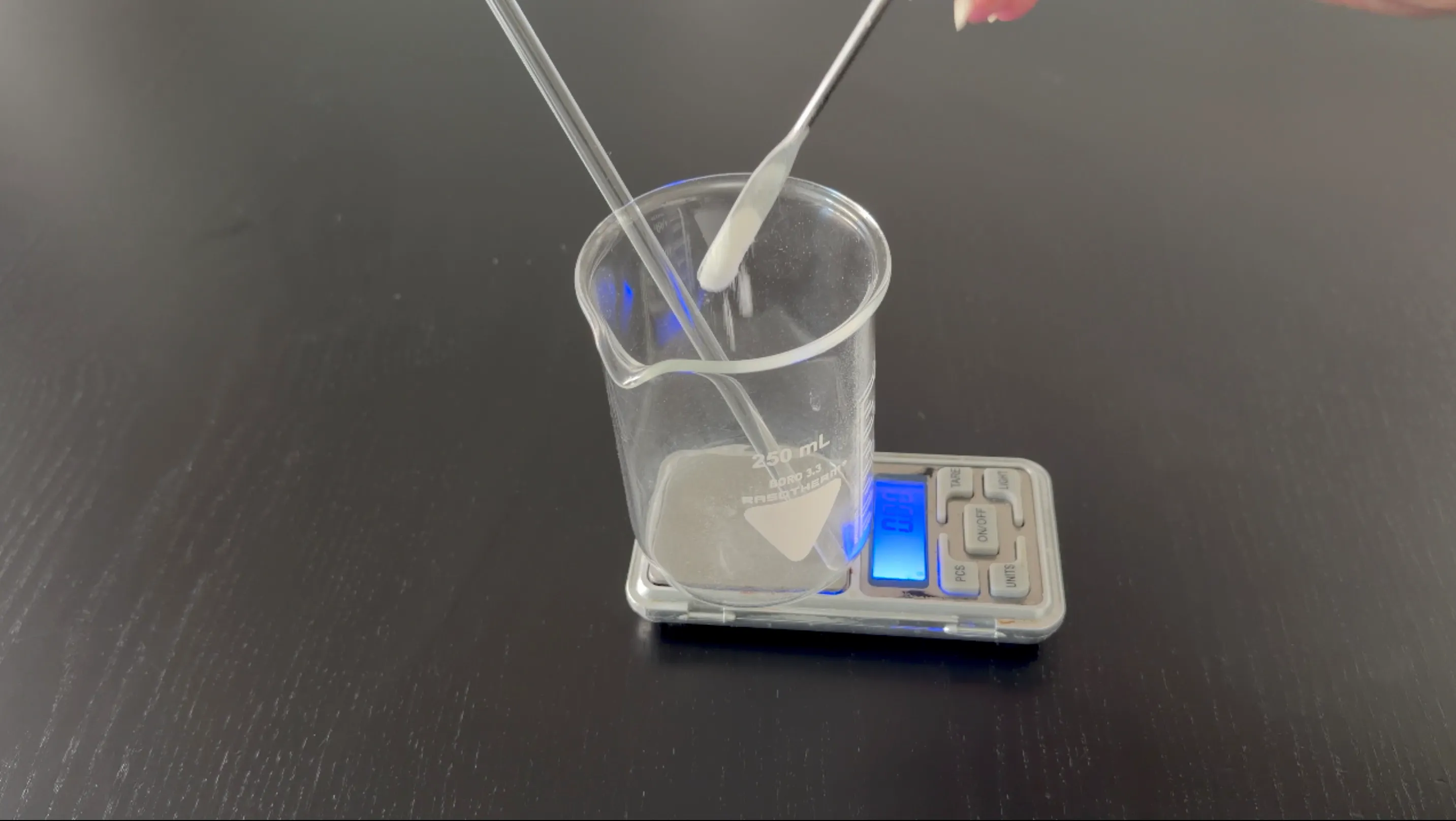
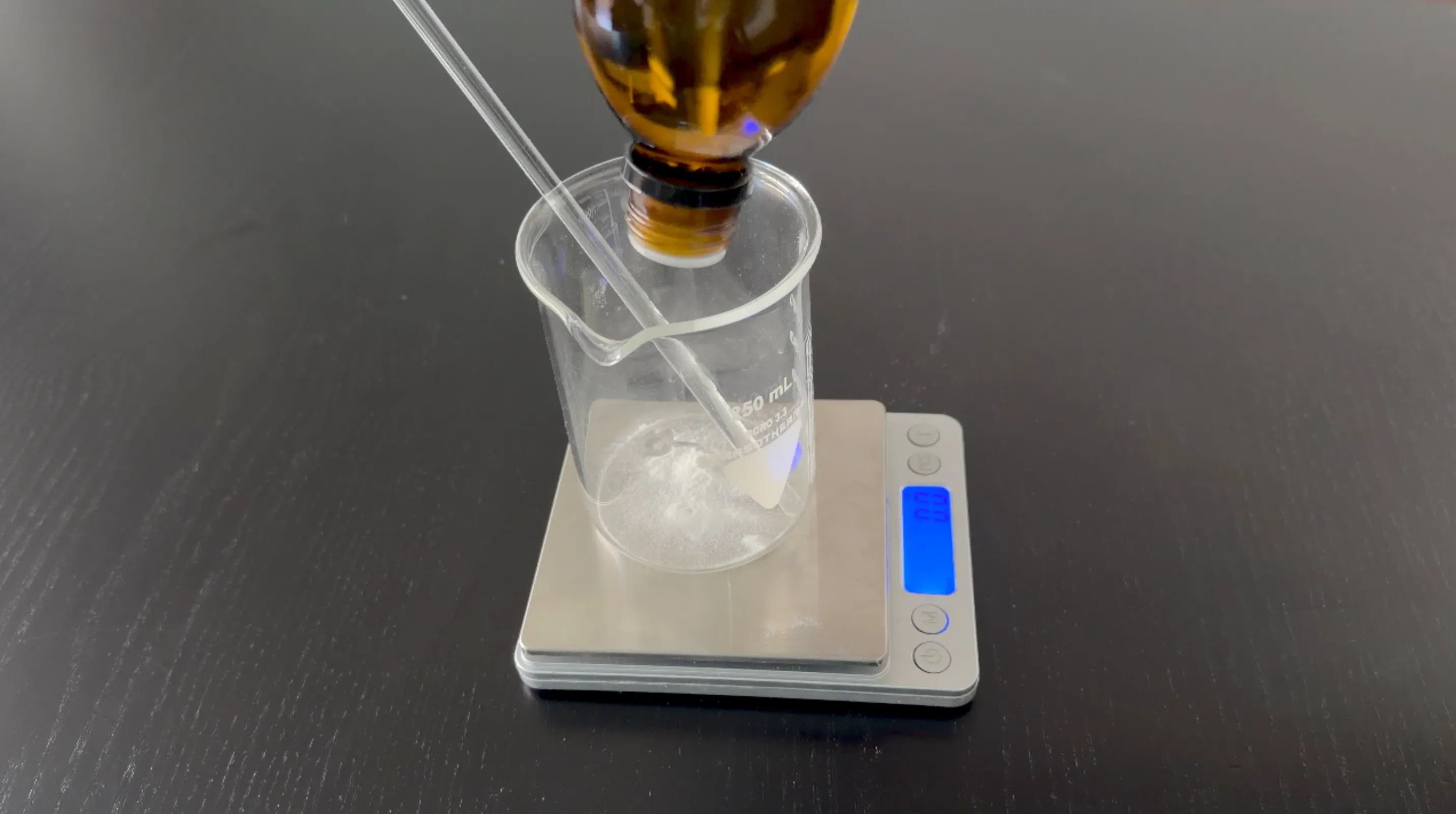
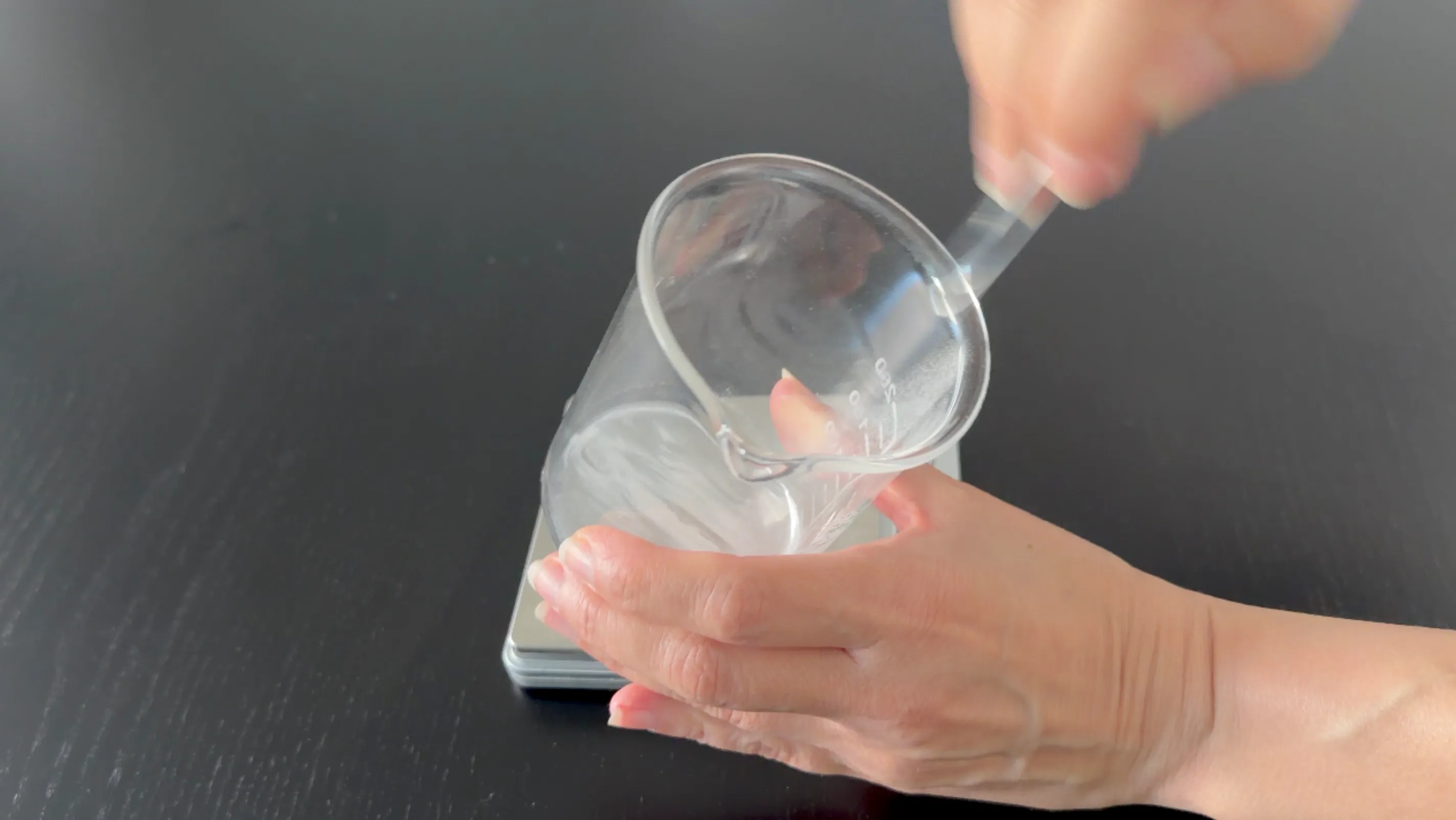
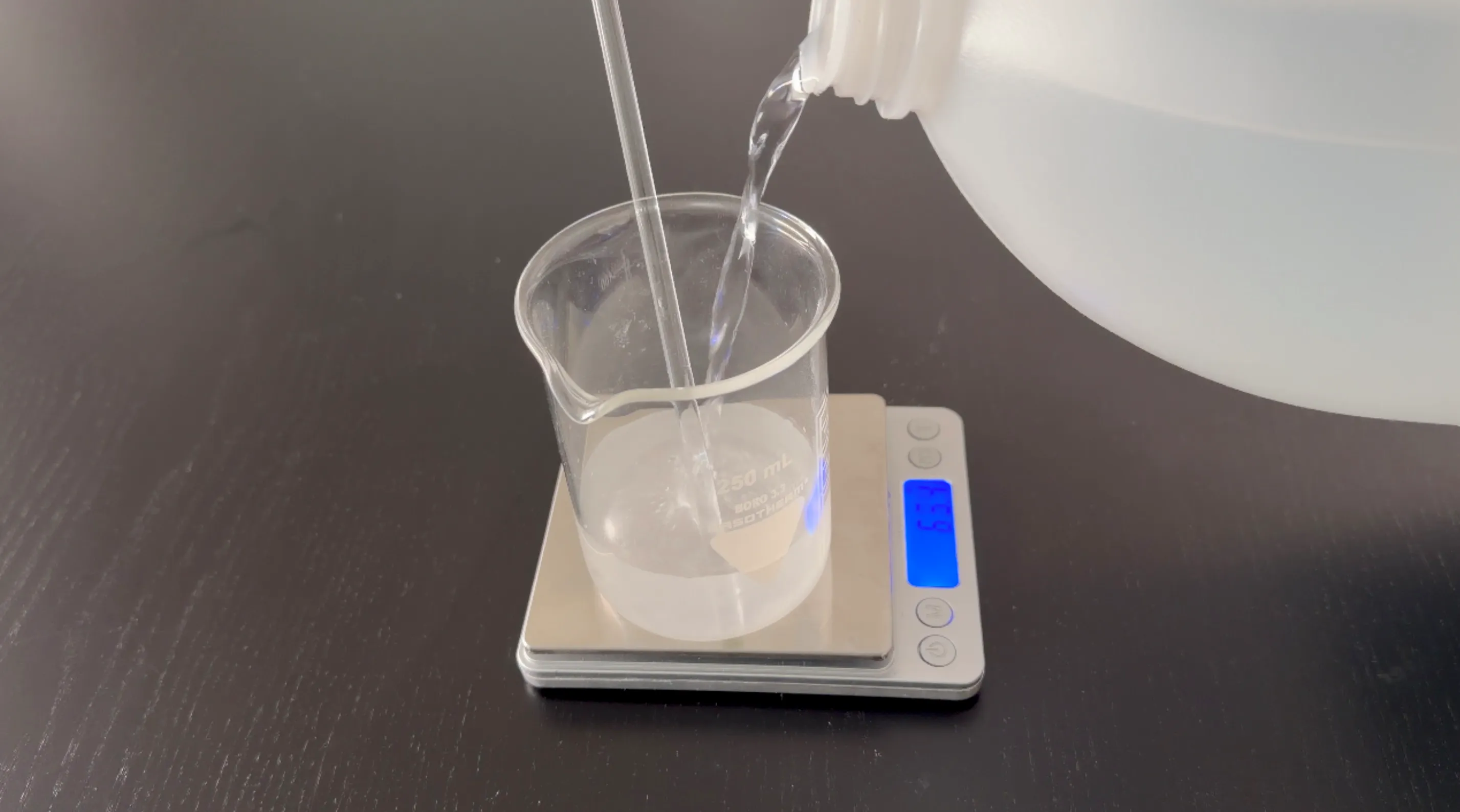
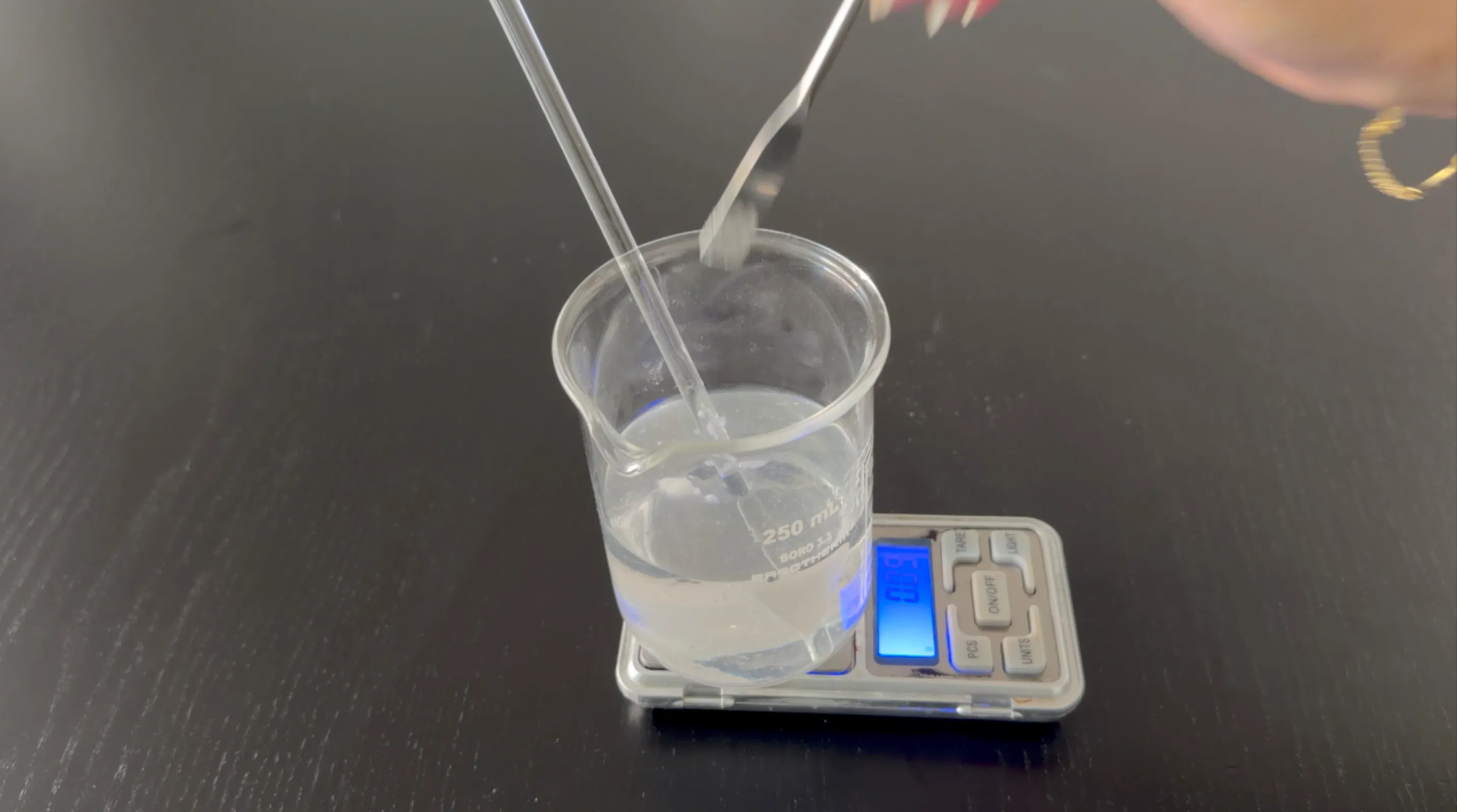
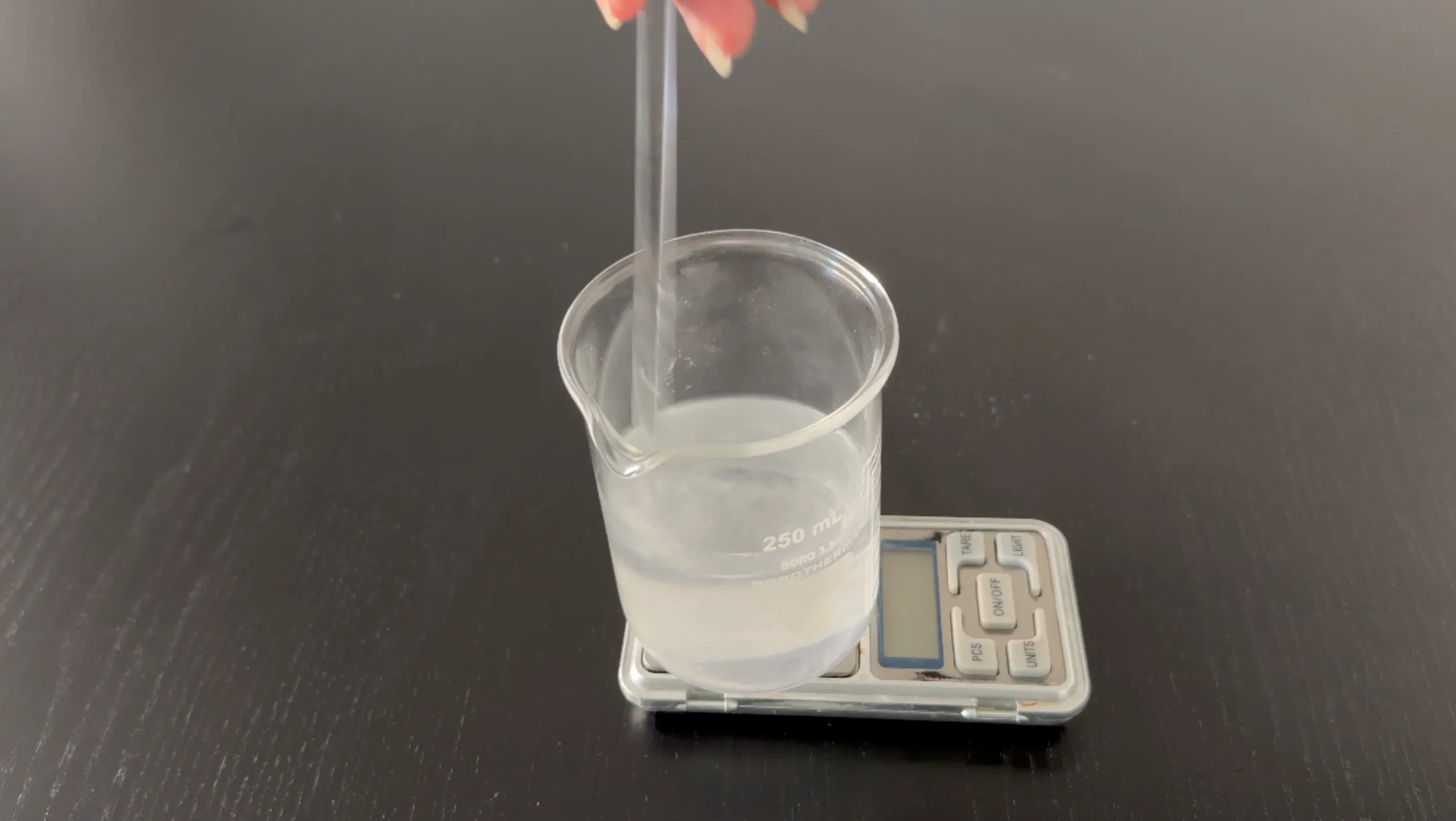
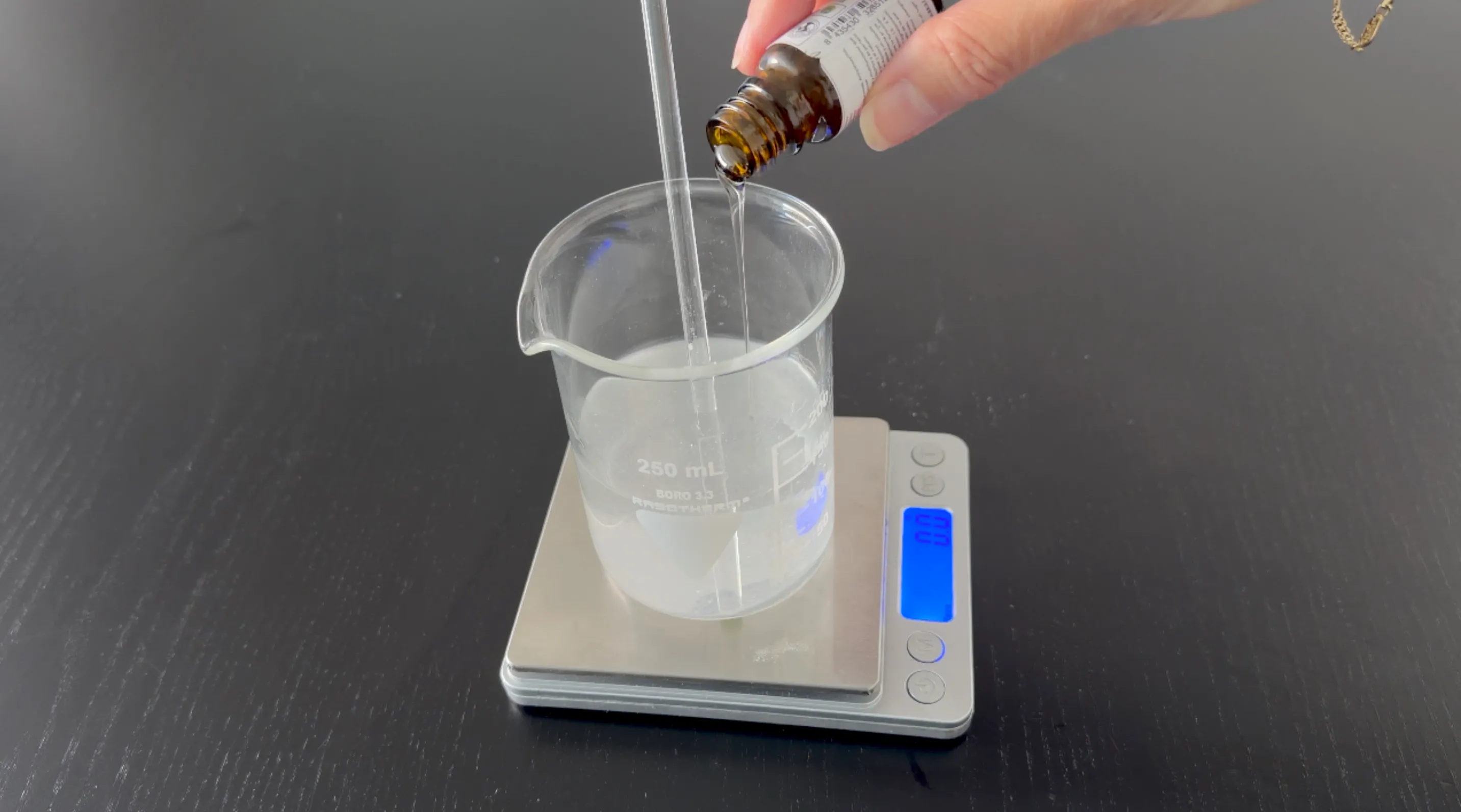
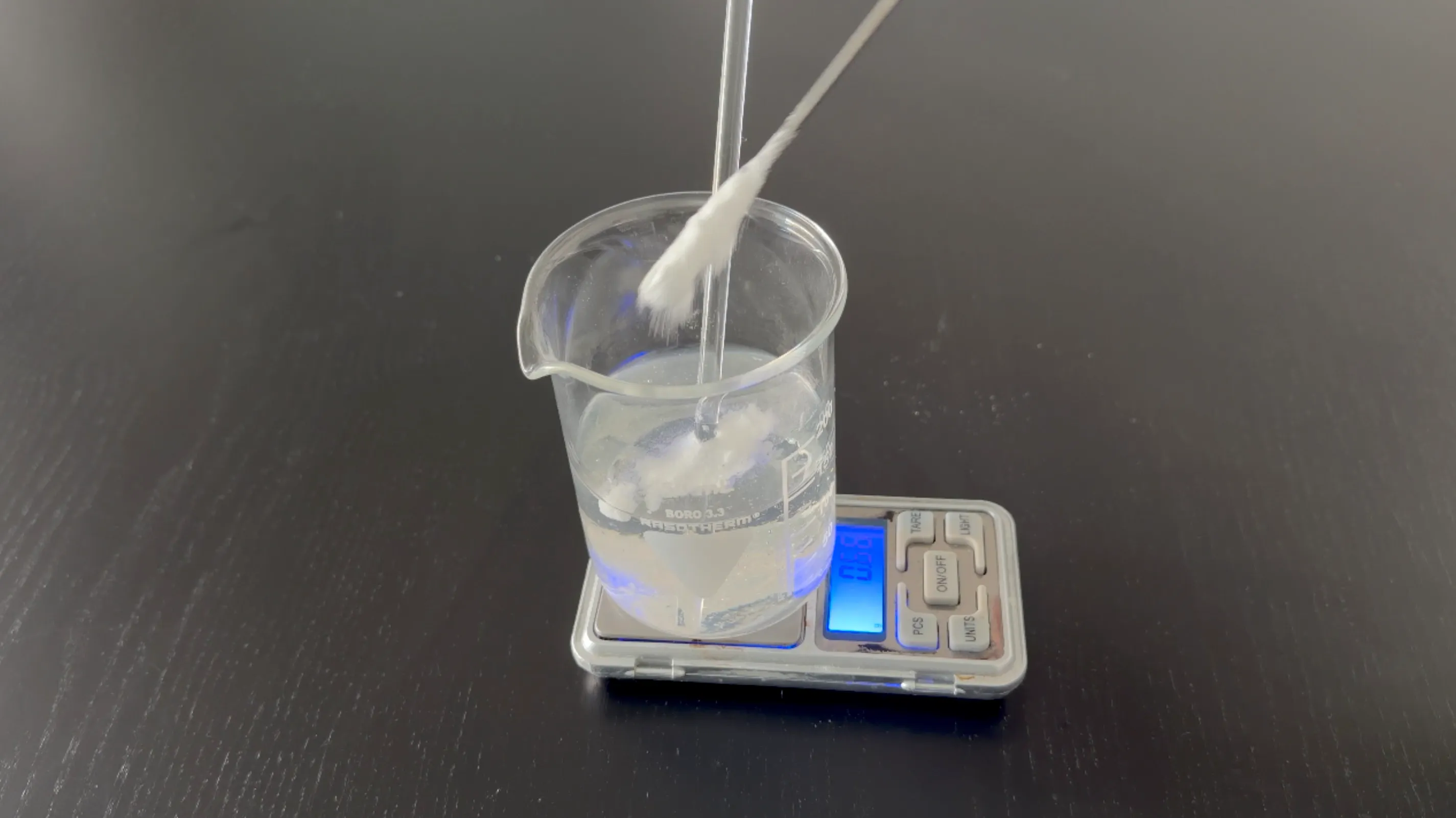
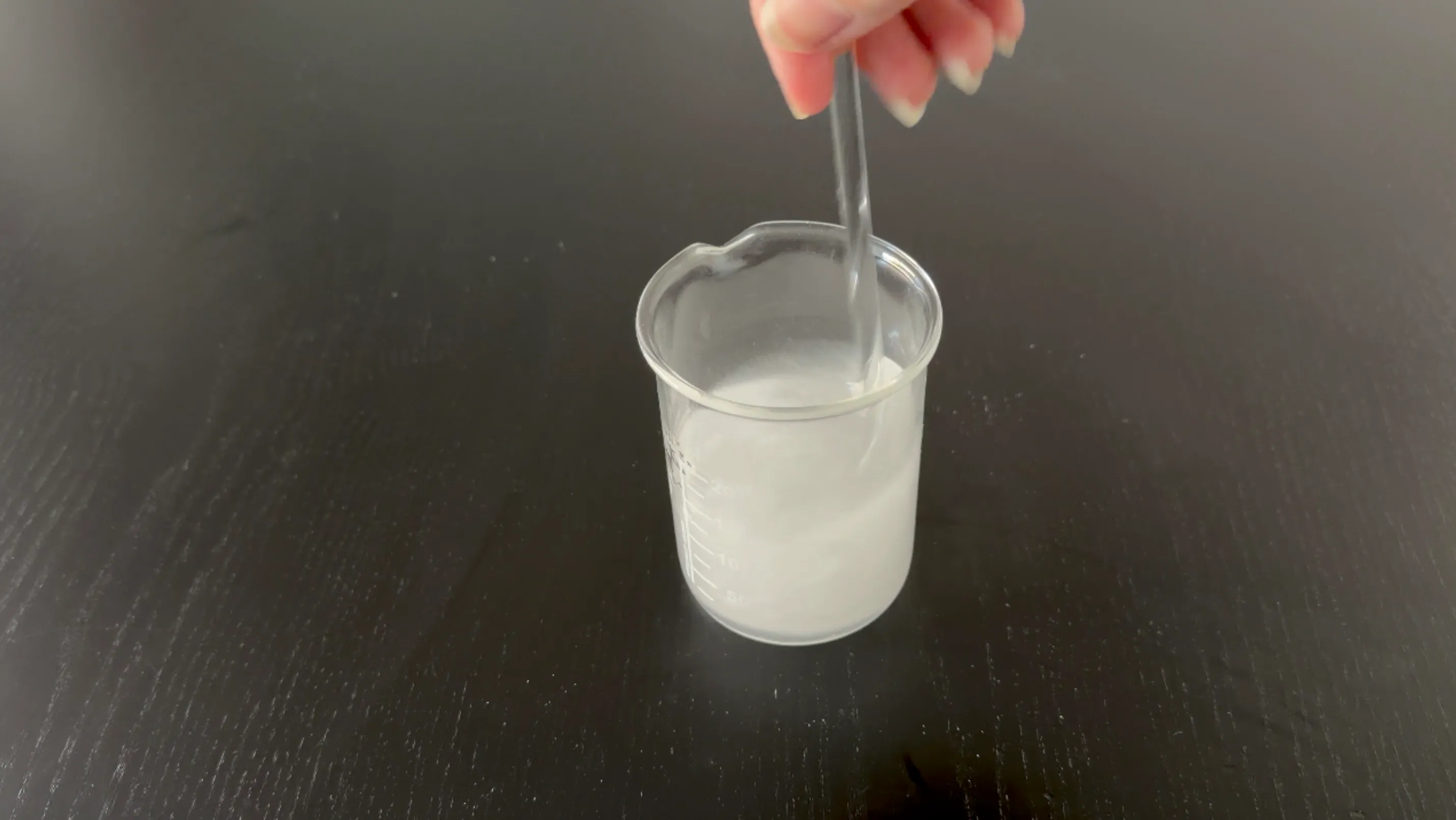
Make a slurry by dispersing the xanthan gum into the propanediol, then combine with the rest of Phase A in a heat-resistant beaker.
-
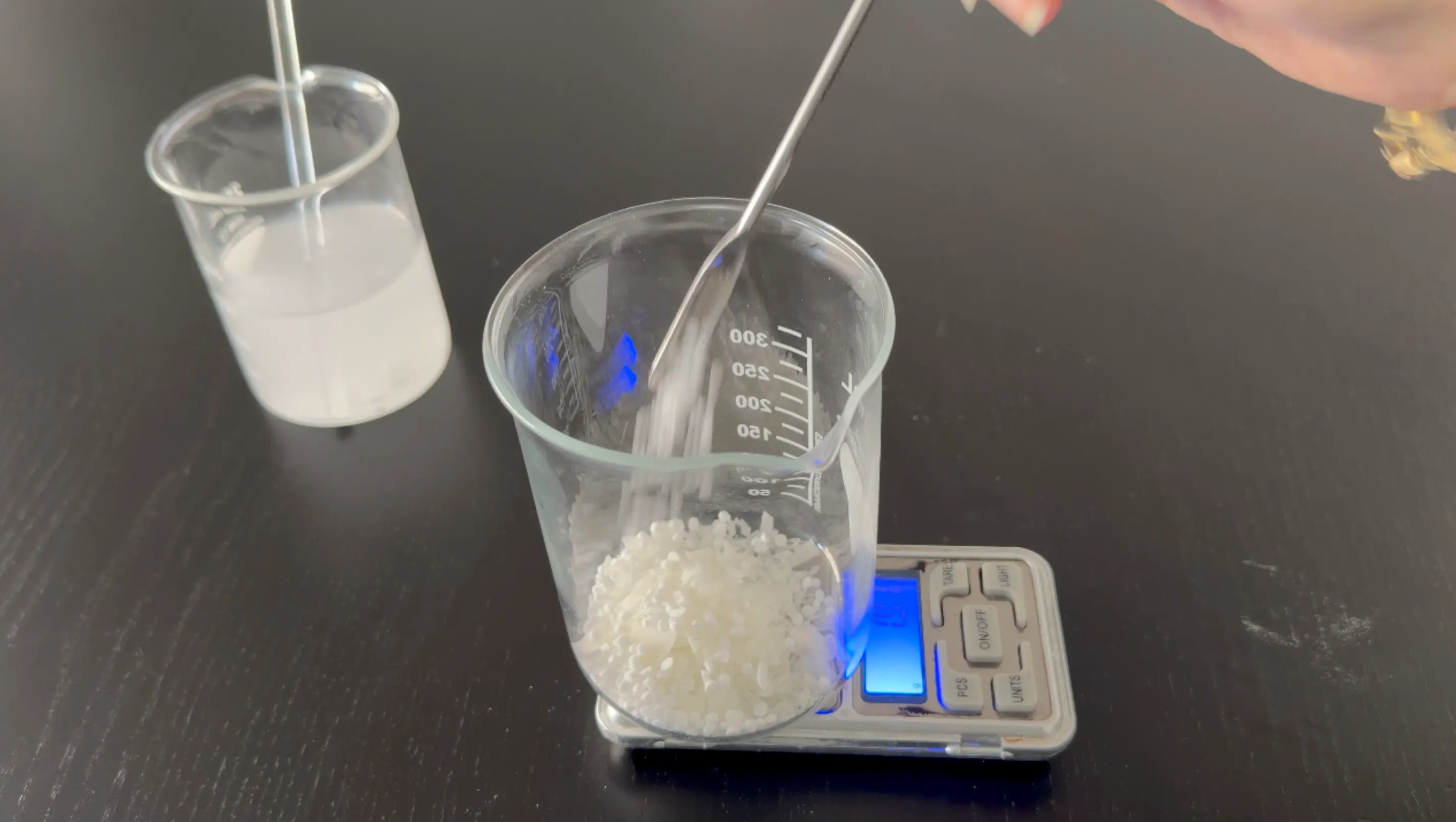
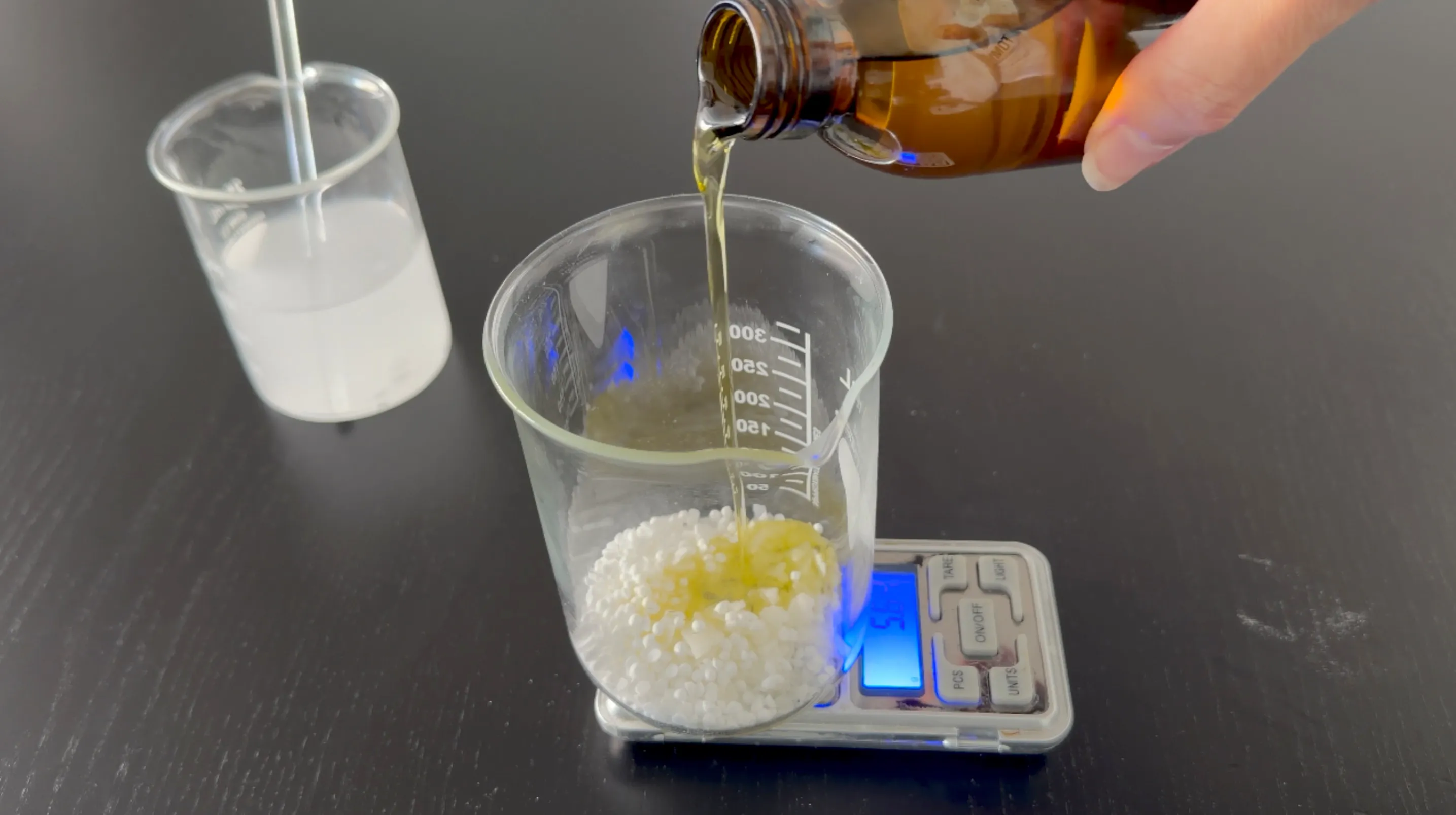
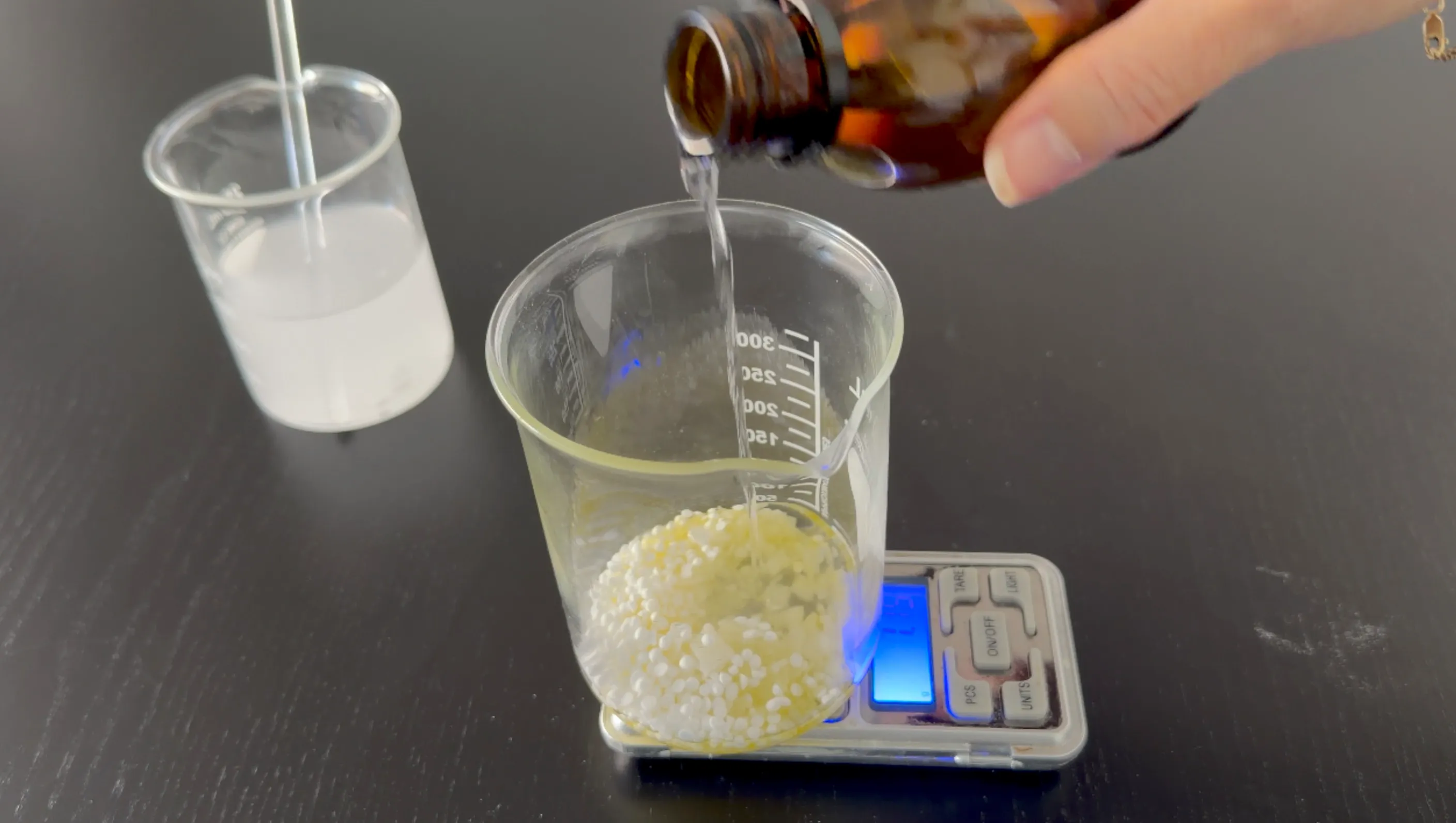
In a second heat-resistant beaker, combine all of Phase B.
-
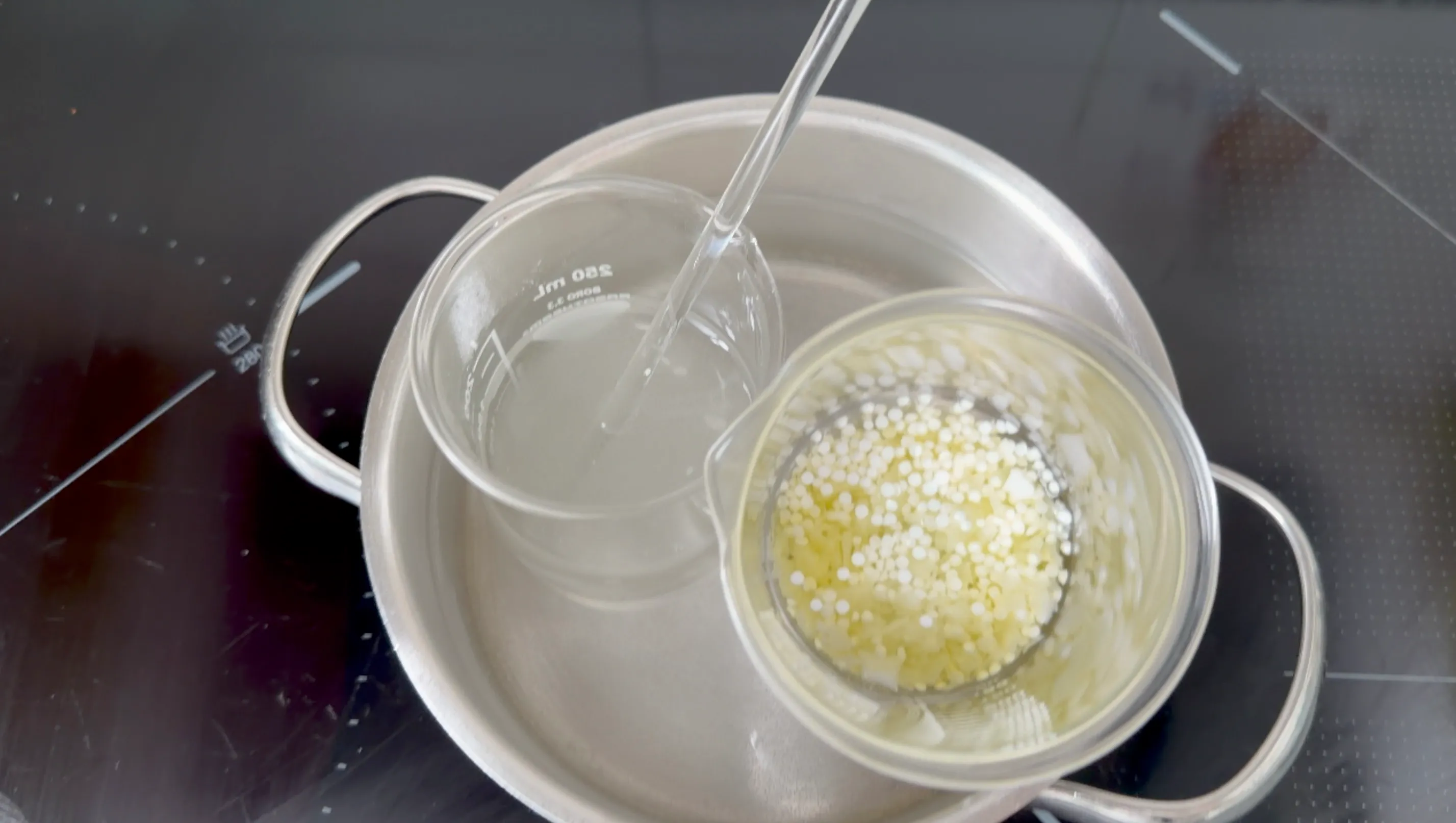
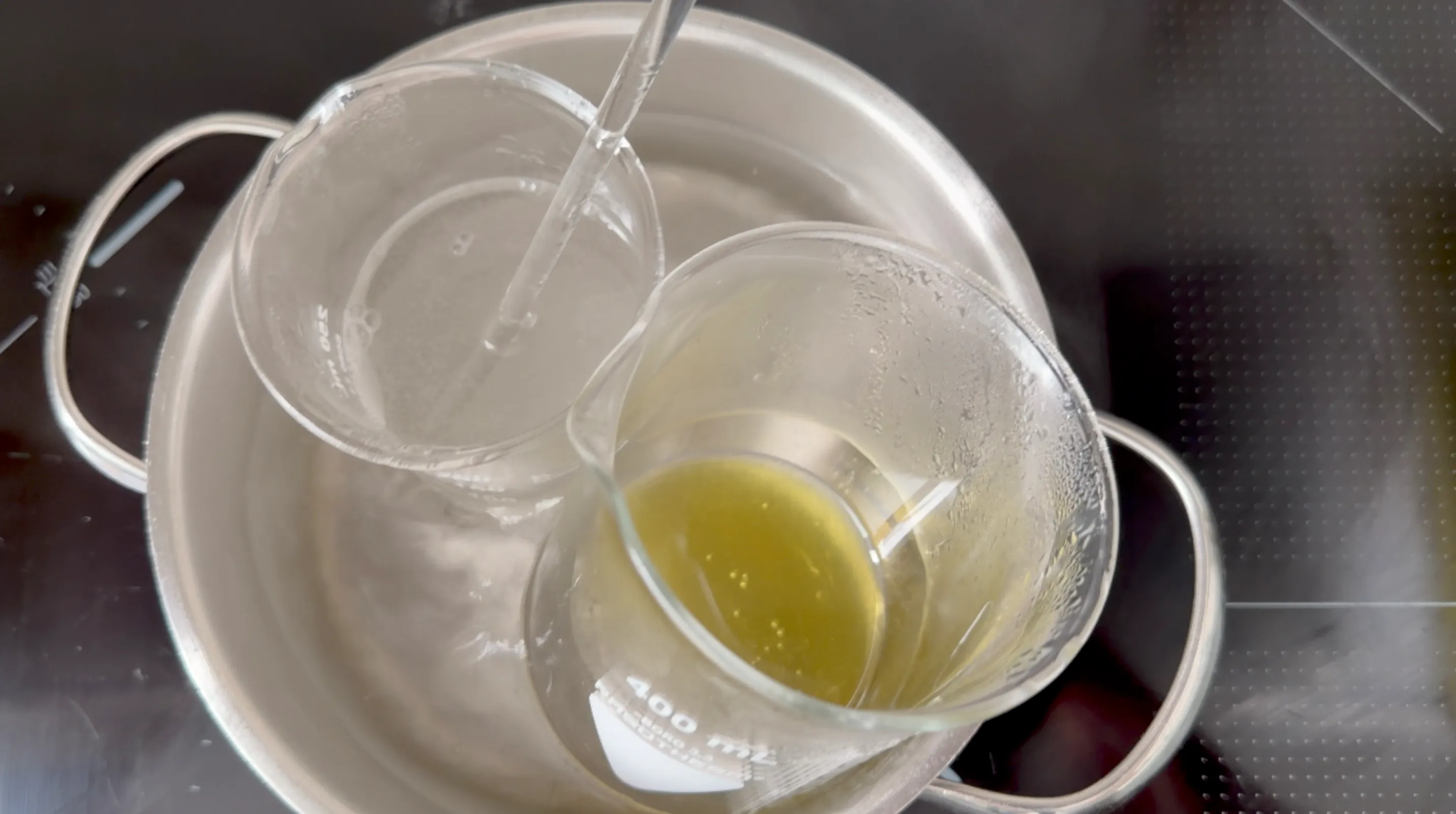
Place both beakers in a water bath and heat to 70°C, holding for about 20 minutes.
-
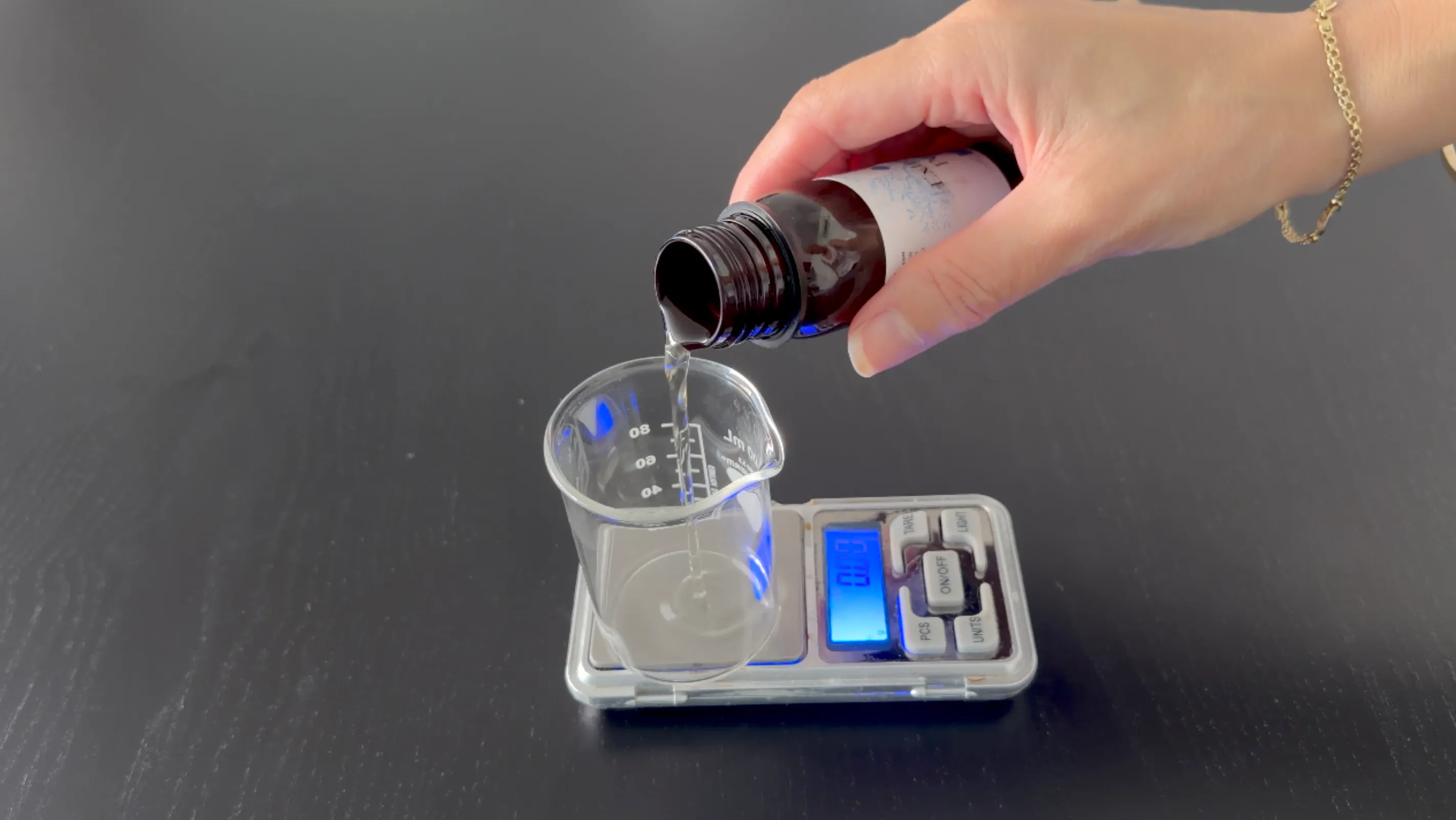
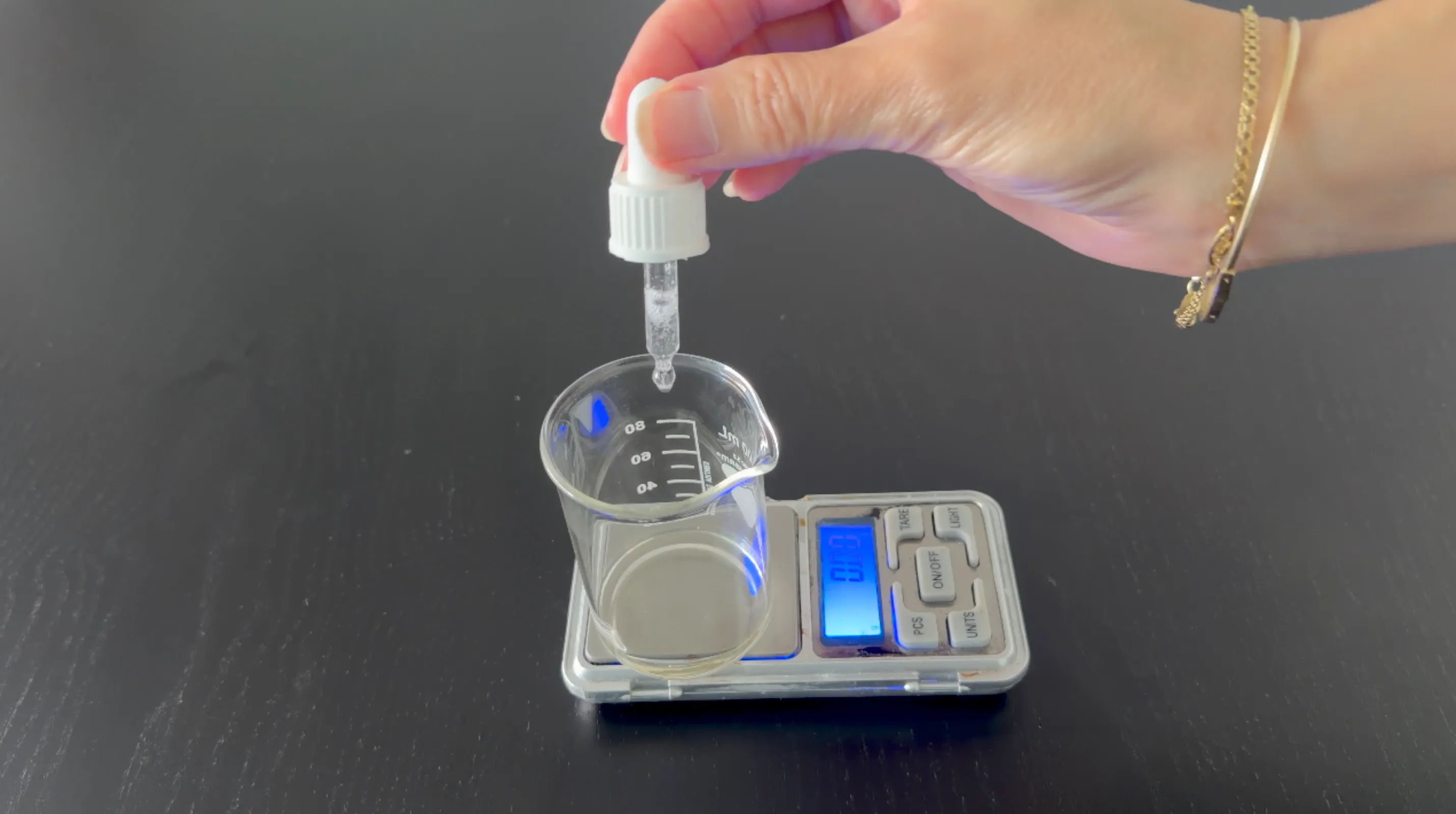
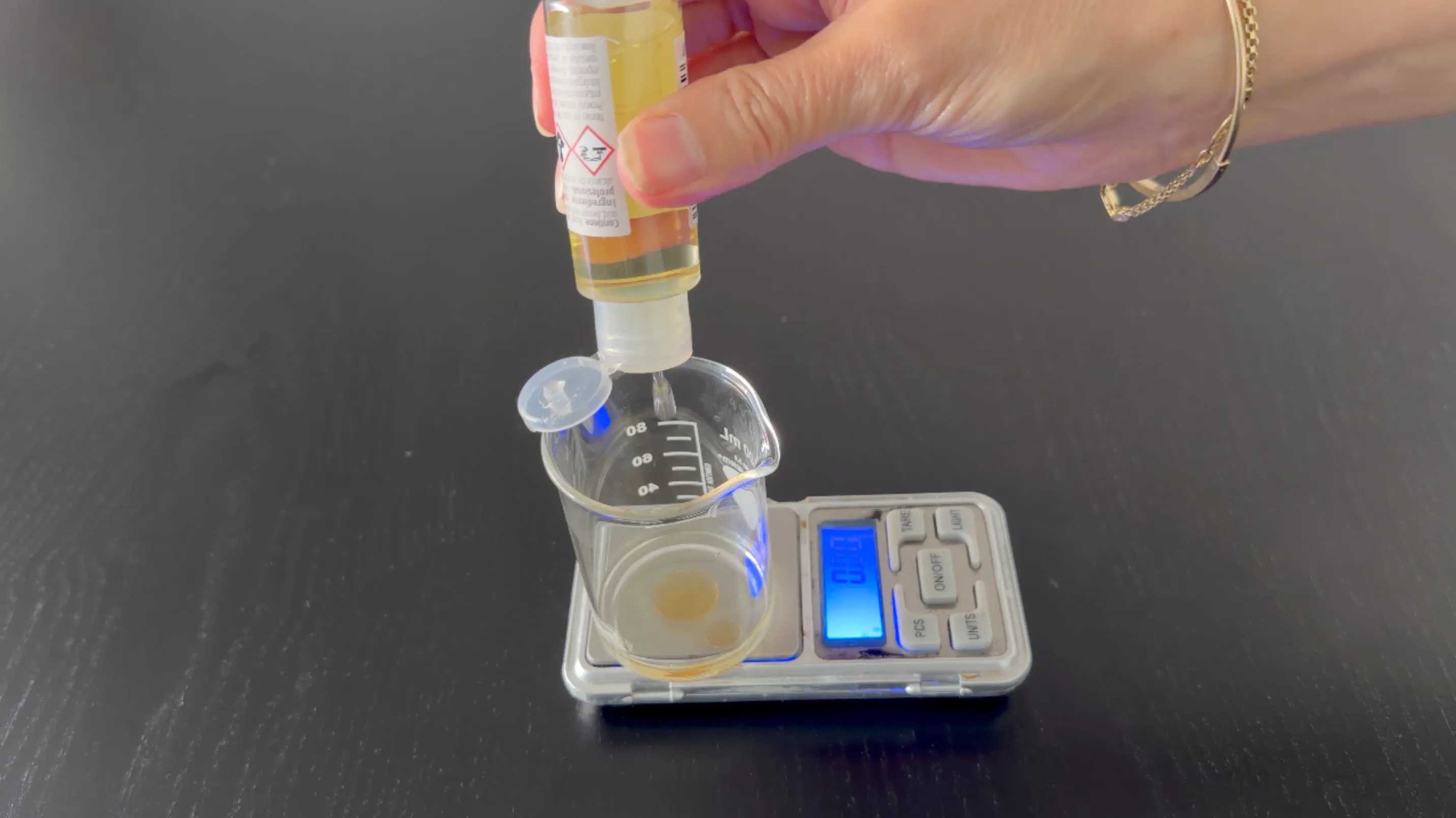
Prepare Phase C in a different beaker and leave it aside for now.
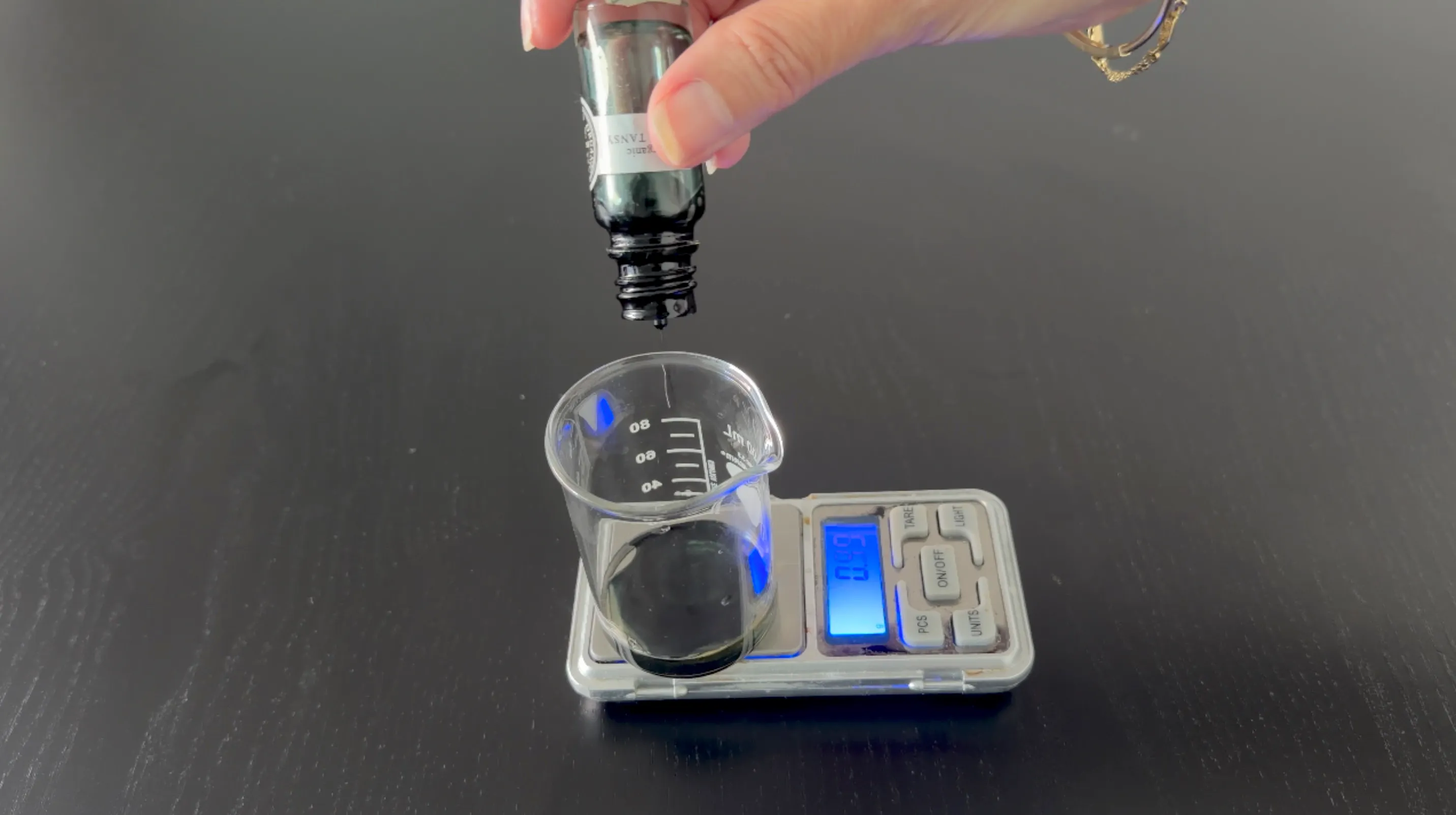
-
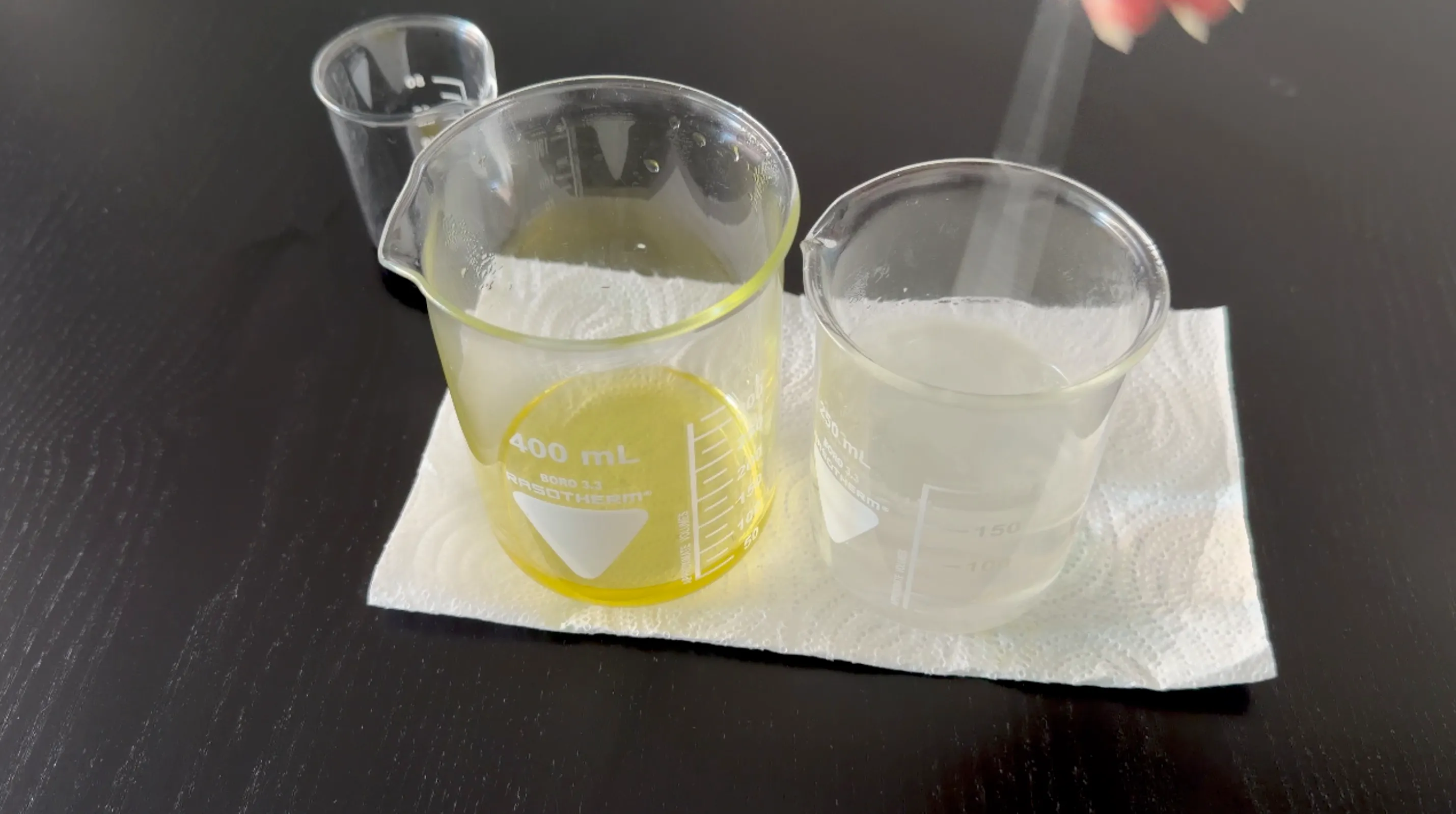
After phases A and B are heated and melted, remove them from the heat.
-
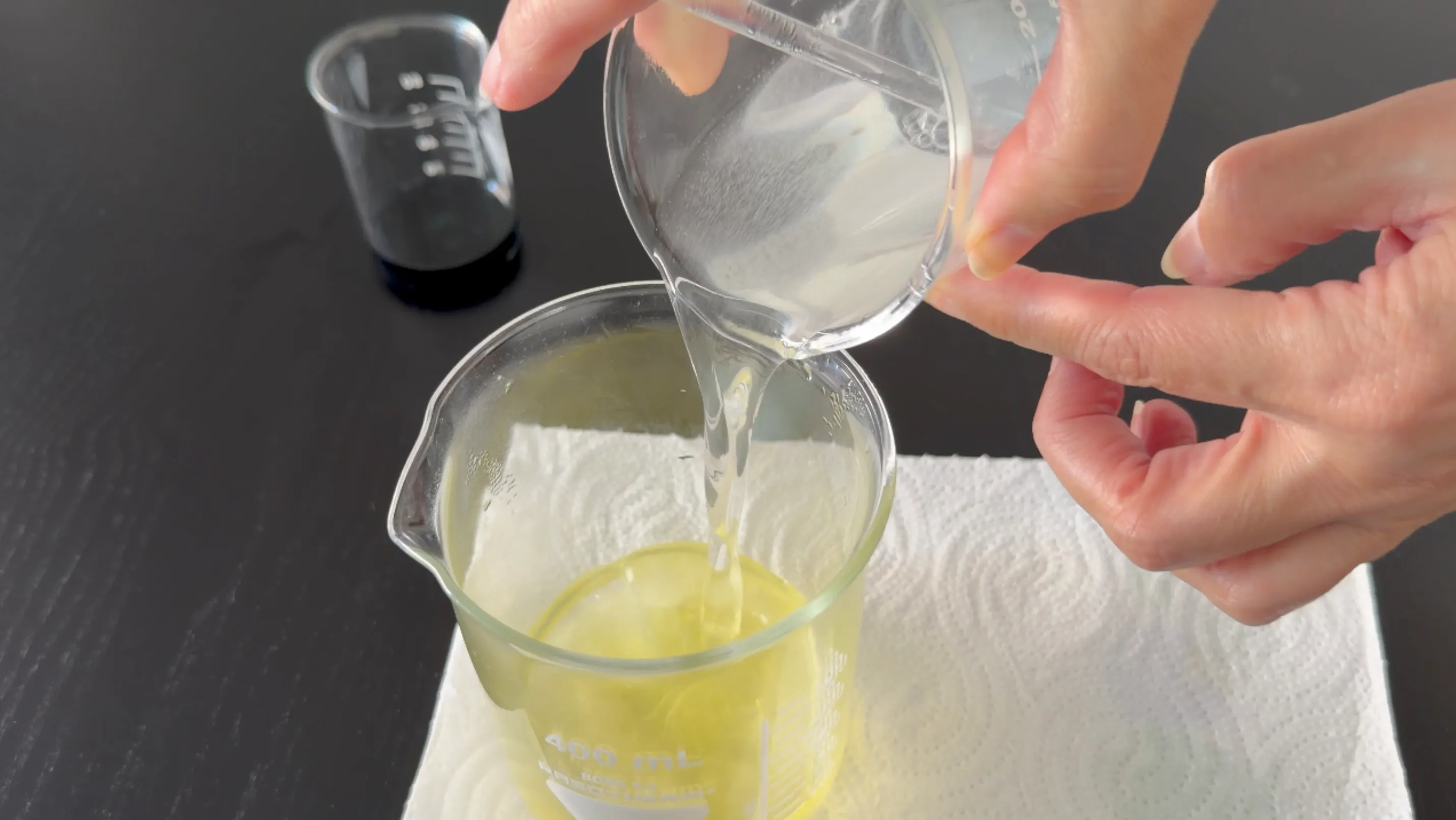
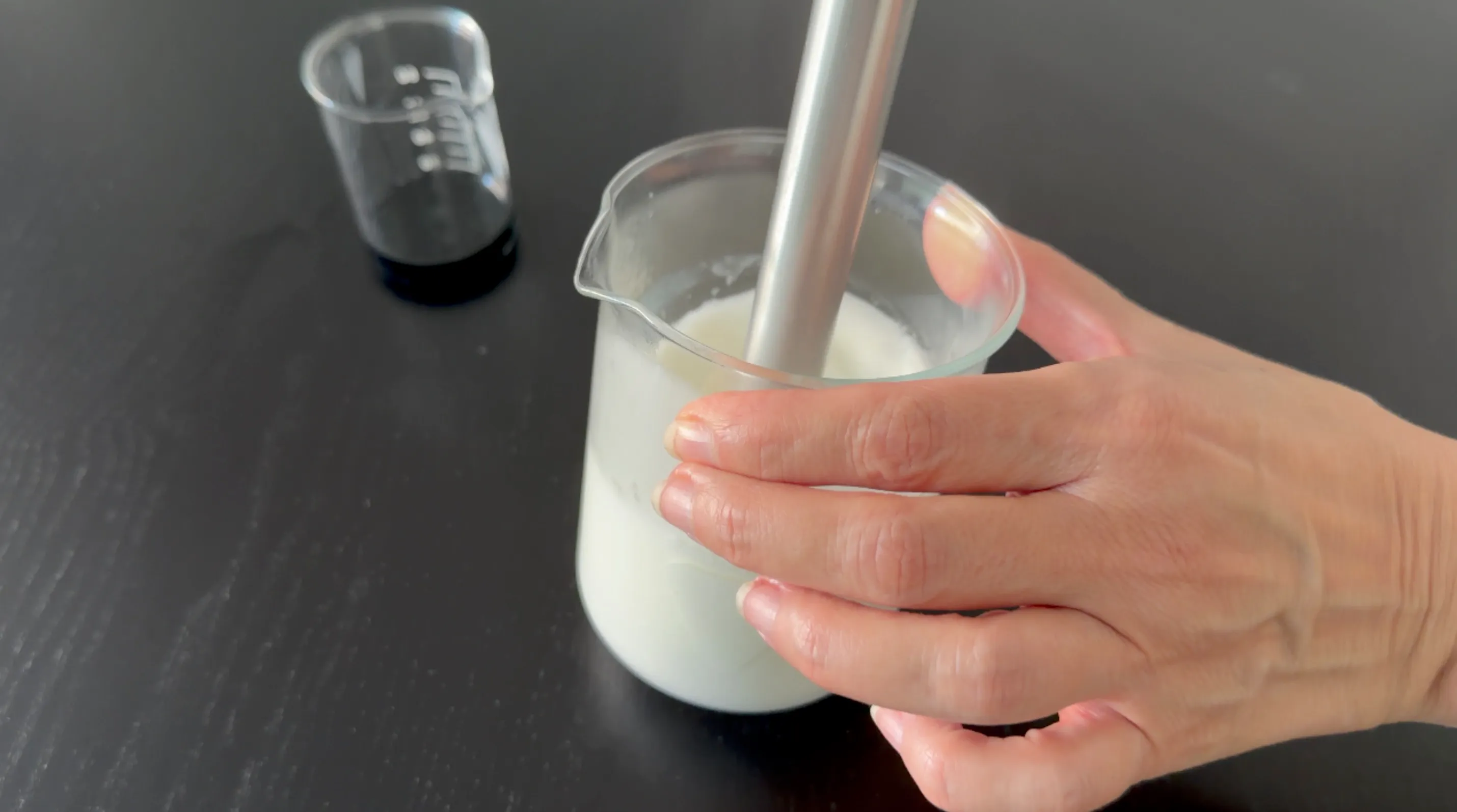
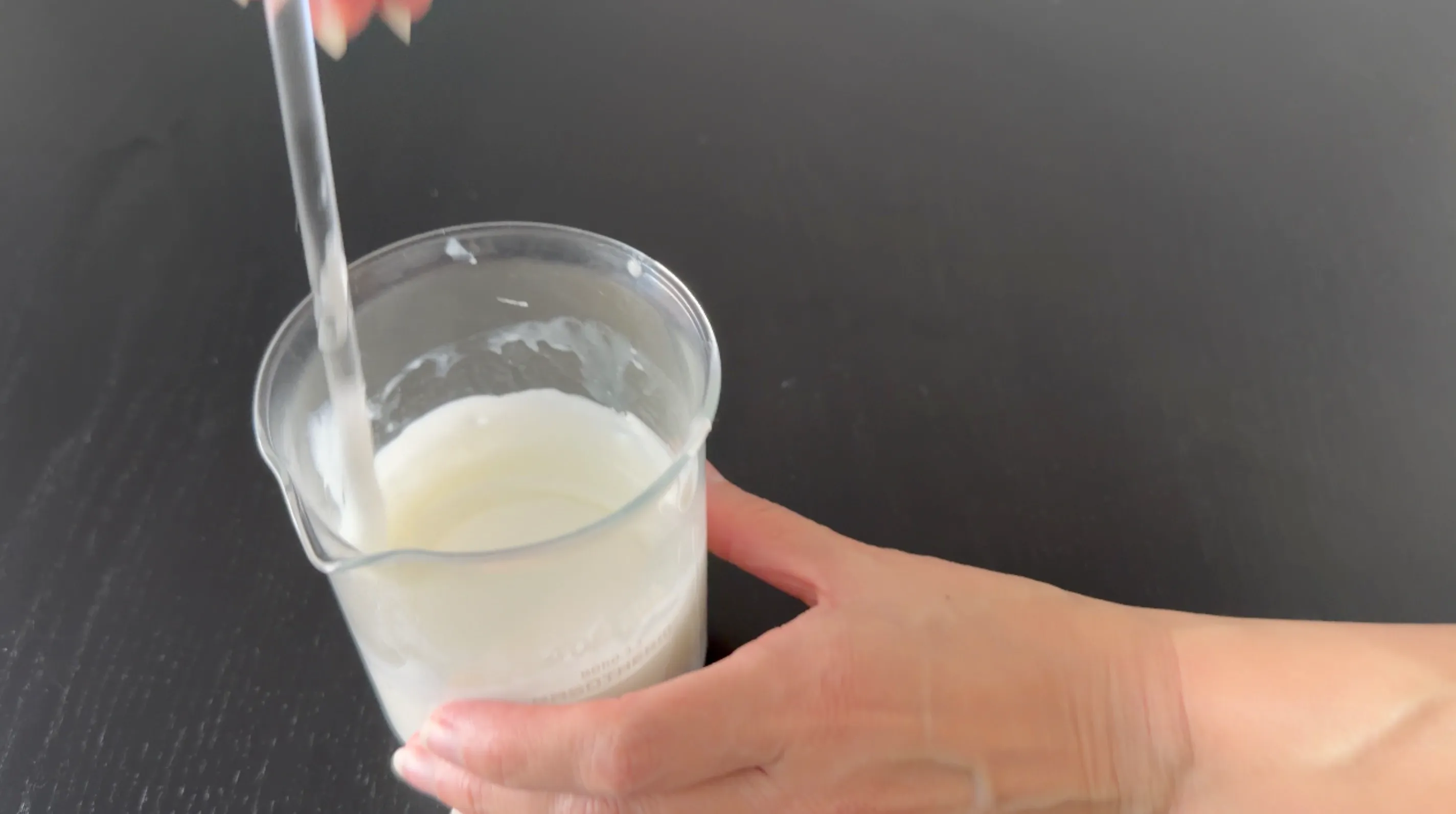
Pour Phase A into Phase B and blend with a homogeniser or immersion blender for 1–2 minutes, until it turns into a smooth, white emulsion.
-
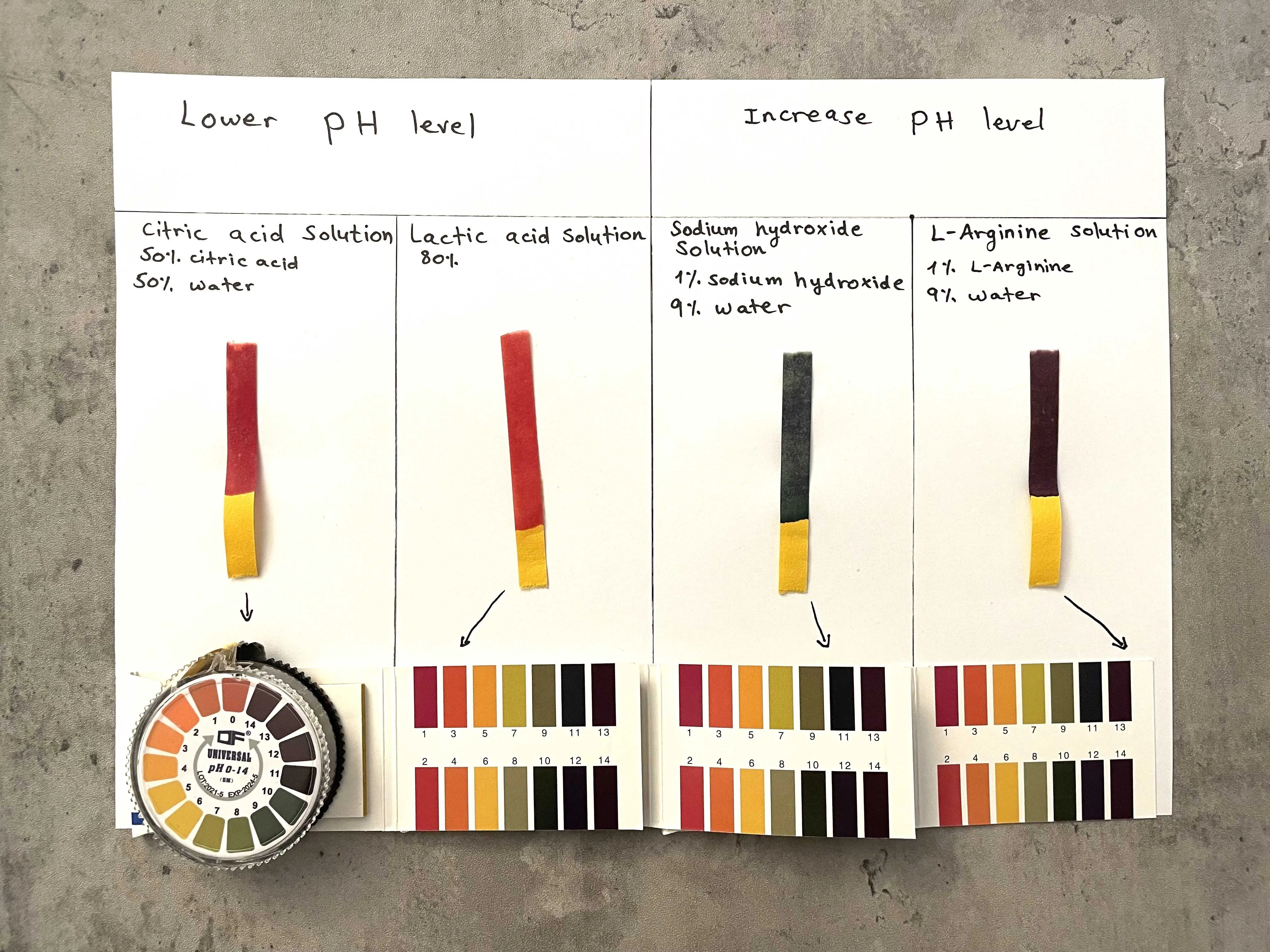
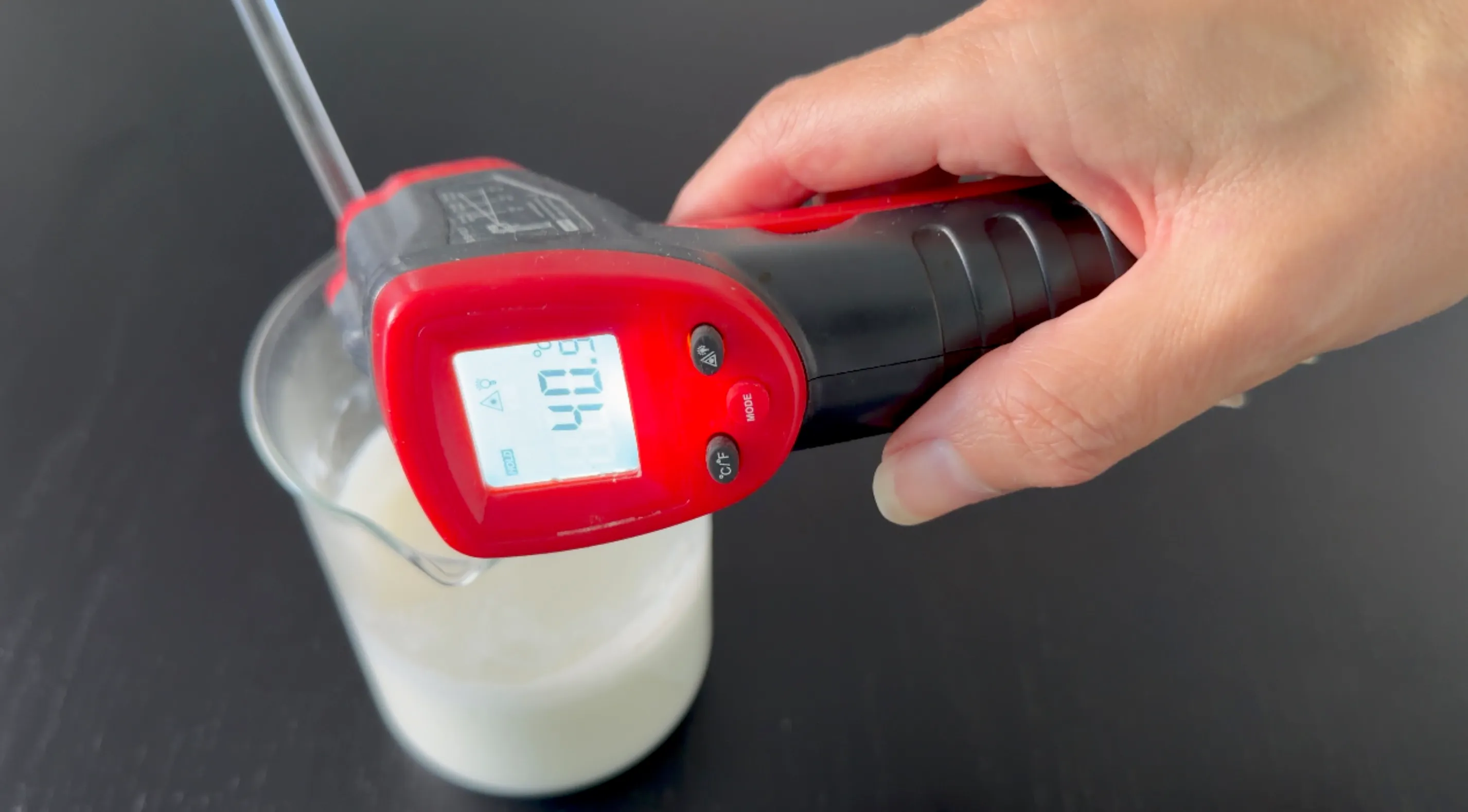
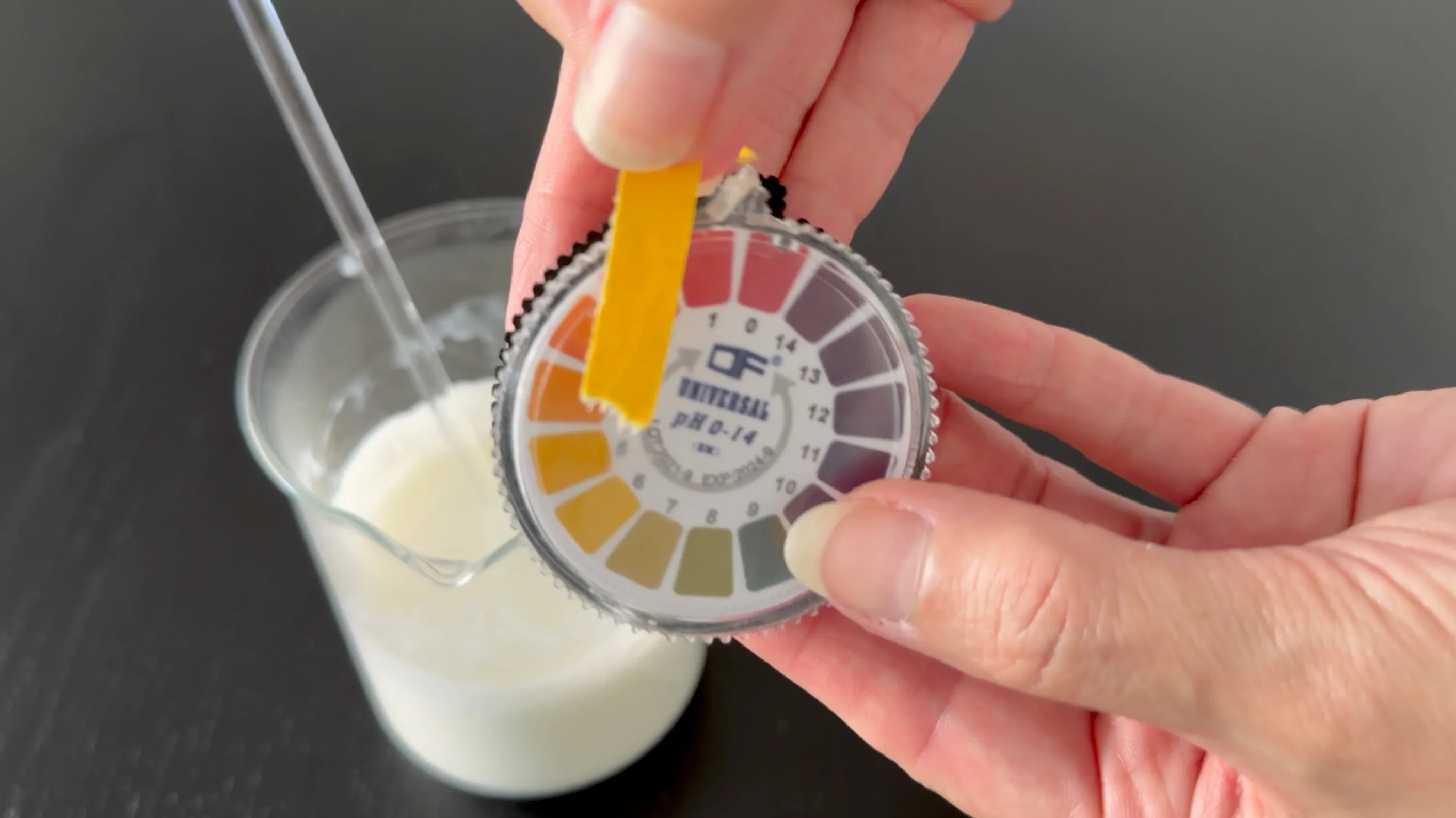
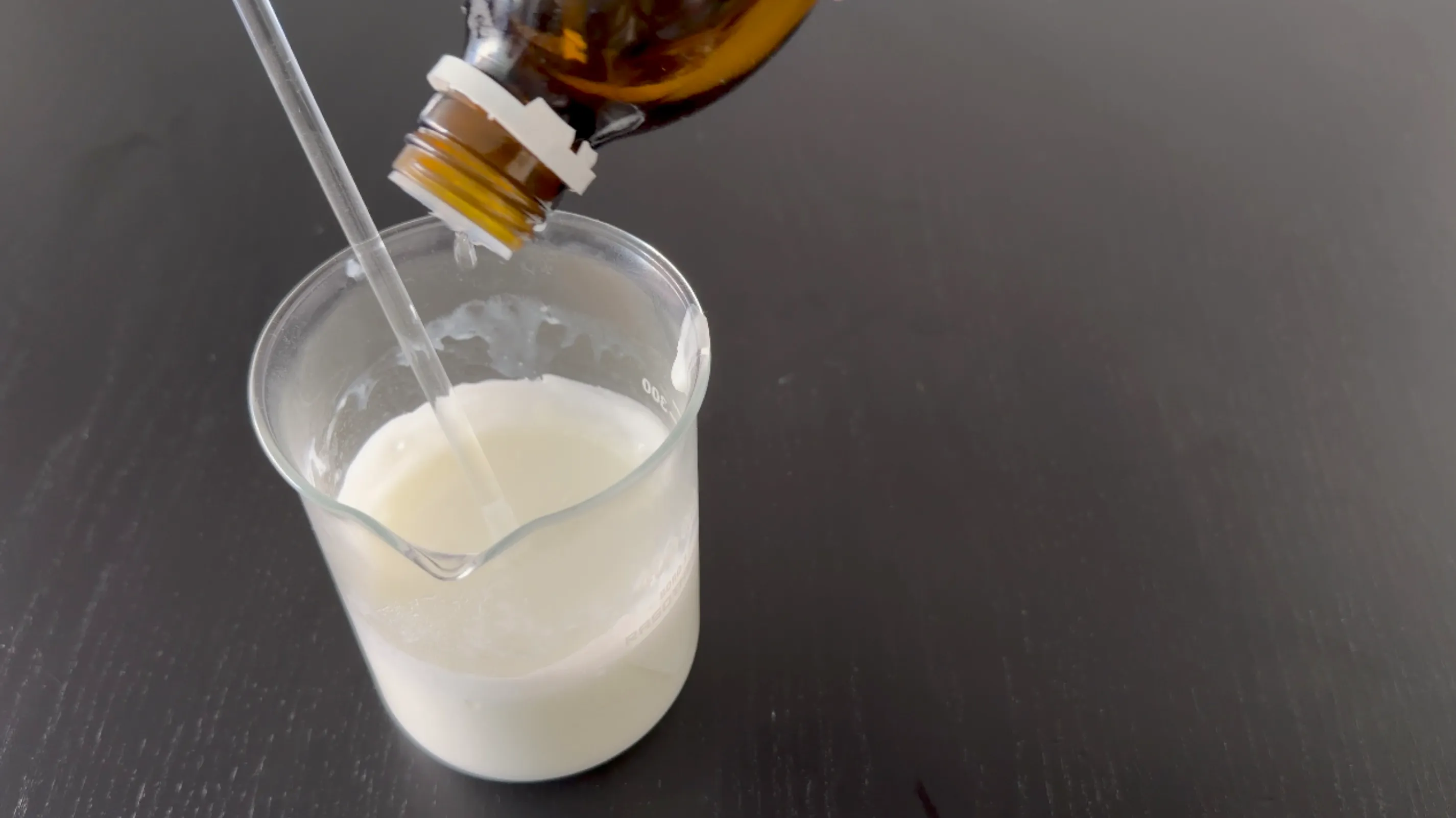
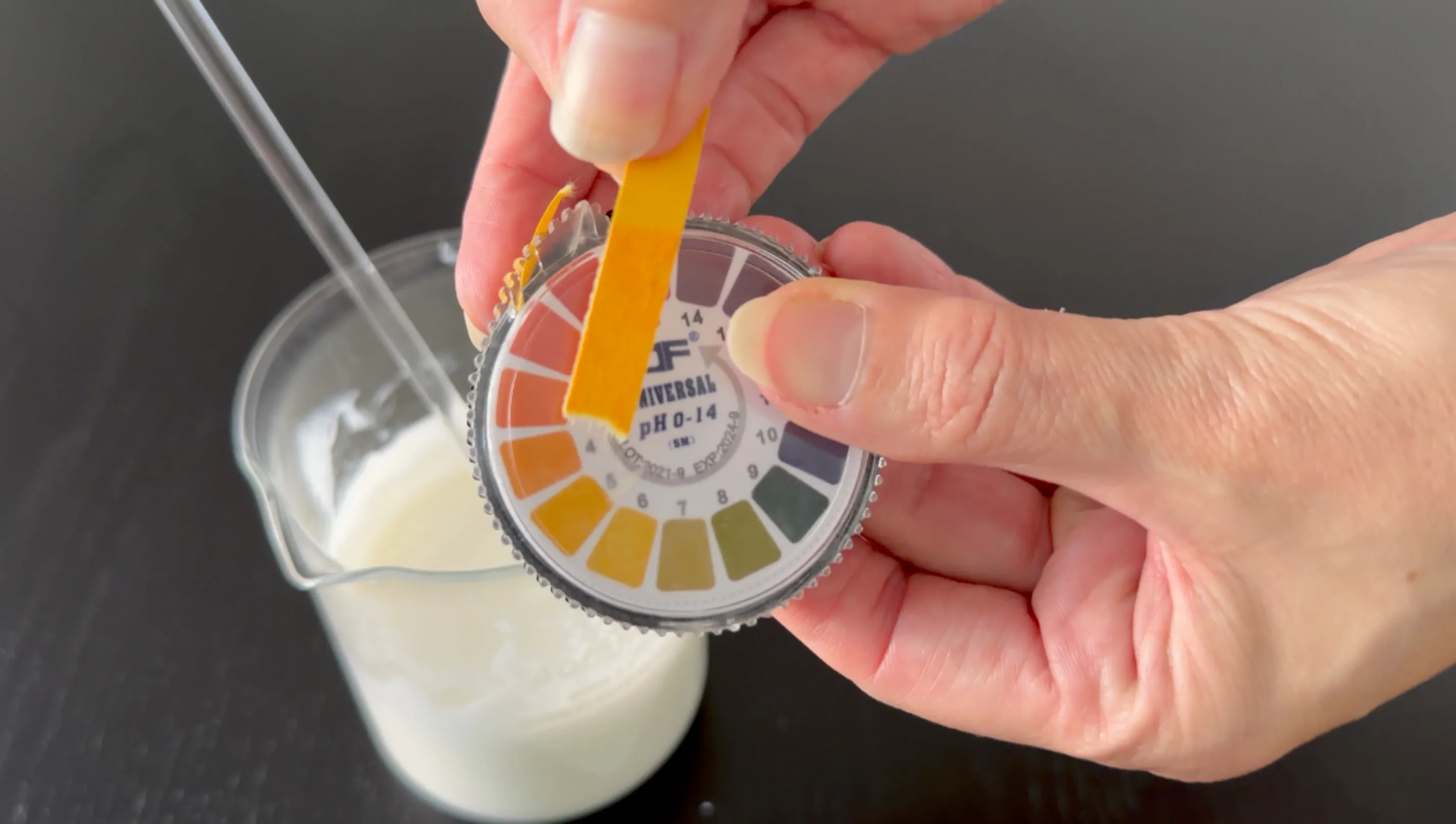
When the mixture is below 40°C, check the pH and adjust if necessary. Final pH should be 4.8–5. Check this pH guide to learn how to adjust pH in your cosmetics.
-
Add Phase C and stir to combine everything. Let it rest (covered) for 4–6 hours.
-
Pour into the container.
This cream is a simple, well-balanced formula that shows how a few carefully chosen ingredients can work together to create a soothing, effective product. By combining calming actives, light emollients, and a gentle emulsion system, you get a cream that's comfortable on the skin and suitable for daily use, even on sensitive skin.
One of the advantages of this formula is how easy it is to customize. You can adjust the humectants, change the emulsifier, or swap certain actives depending on your needs, as long as you keep the overall balance of the formula. Small changes can make a noticeable difference in texture and performance, so don't be afraid to experiment — but always test in small batches first.
I hope you'll make this cream and enjoy this formula, use it as a base to create your own variations, and if you do, come share your version in our forum.
Related articles
- https://diycosmetica.com/ceramide-face-cream
- https://diycosmetica.com/gentle-micropeeling-foaming-cleanser
- https://diycosmetica.com/niacinamide-face-toner
- https://diycosmetica.com/vitamin-c-serum-with-ascorbyl-glucoside
- https://diycosmetica.com/body-cream-for-stretch-marks
- https://diycosmetica.com/chamomile-cleansing-balm
- https://diycosmetica.com/how-to-adjust-the-ph-level-in-cosmetics