You can help support my website and channel through the “buy me a coffee” page.
Here is the link: https://www.buymeacoffee.com/diycosmetica
Your support helps me keep sharing here more information and more formulas.
If you have never made a cream or lotion before, please read this post before trying this ceramide face cream: How to make a basic lotion/cream
About Ceramides -- What They Are, Who They Are For, and What Science Says
Ceramides are a class of wax-like lipids naturally produced in the outermost layer of the skin (the stratum corneum). They form about 50% of the intercellular lipids and work with cholesterol and fatty acids to create a "mortar" around the skin cells (the "bricks"). When this lipid mortar deteriorates -- because of age, over-cleansing, cold weather, or stress -- the barrier becomes leaky, water escapes, and irritants penetrate, producing dryness, redness, and sensitivity.
Topical ceramides replenish this deficit. Clinical and laboratory studies show that formulations containing ceramides + cholesterol + fatty acids significantly reduce transepidermal water loss (TEWL), increase hydration, and improve barrier recovery in dry, sensitive, and atopic skin. They are non-photosensitizing, fragrance-free, and well tolerated by almost all skin types. Unlike exfoliating actives such as AHAs or retinoids, ceramides do not increase sun sensitivity and can even make retinoid routines easier to tolerate.
This makes them perfect for dry, mature, sensitive, or post-procedure skin, and completely safe during pregnancy or breastfeeding, since they act locally on the epidermis without systemic absorption. They are also beneficial for oily or combination skin that feels stripped or tight after cleansing. Regular use leads to softer texture, greater elasticity, and visibly smoother skin. Nevertheless, always consult your doctor or healthcare provider before using any cosmetic product during pregnancy or breastfeeding.
Method
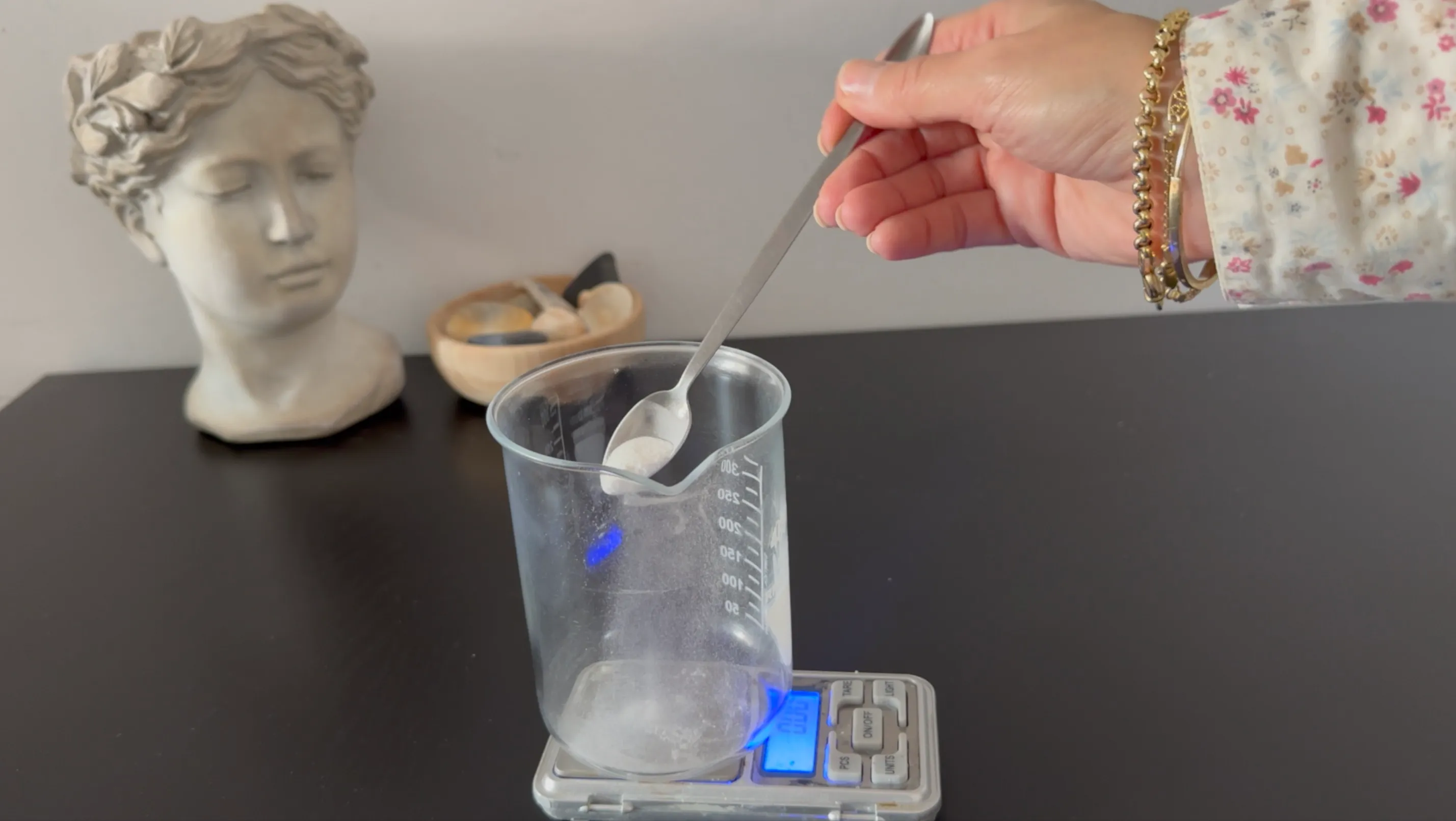
- In a heat-resistant beaker combine Phase A. Sprinkle xanthan gum into glycerin, add distilled water and allantoin.
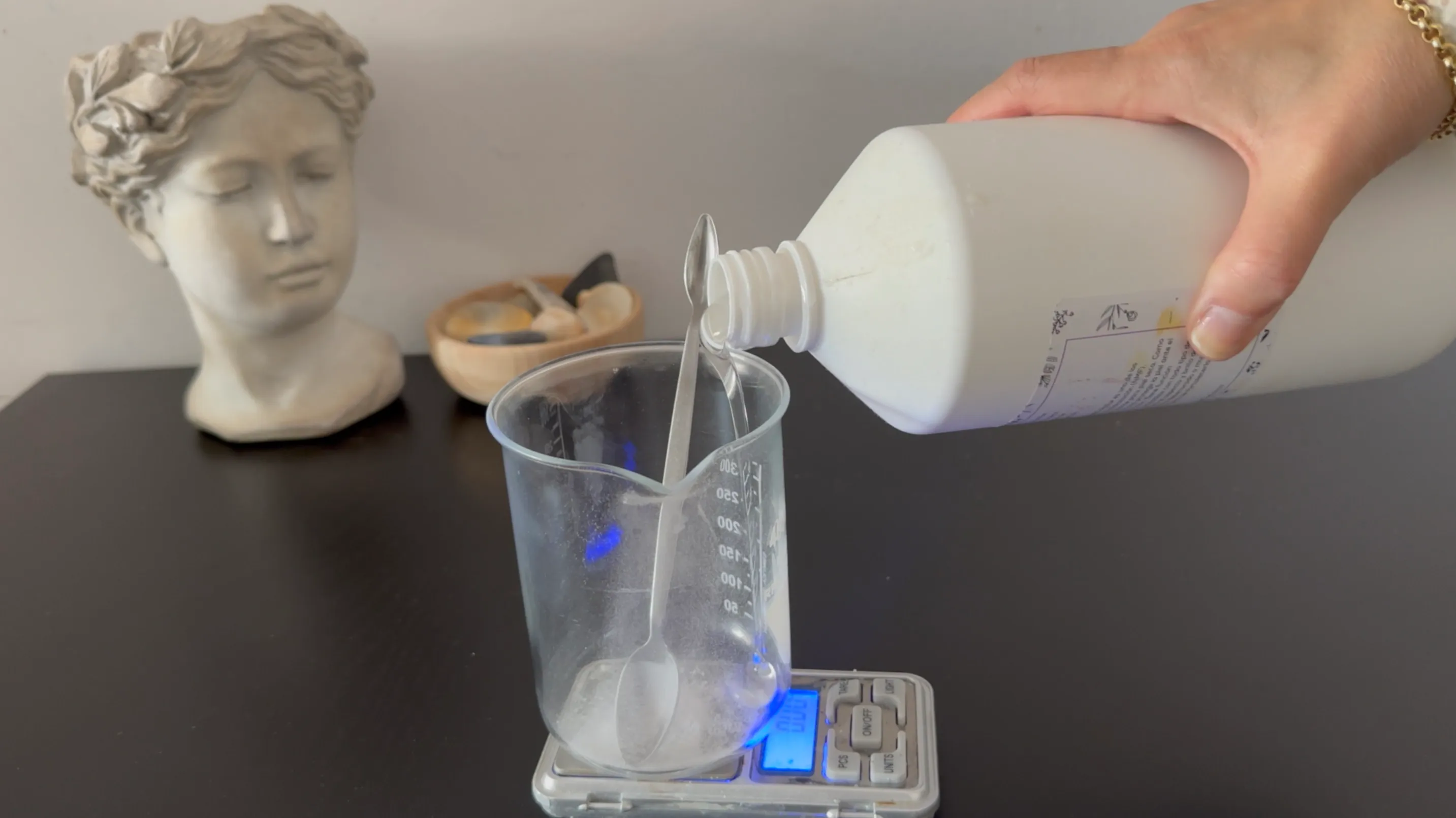
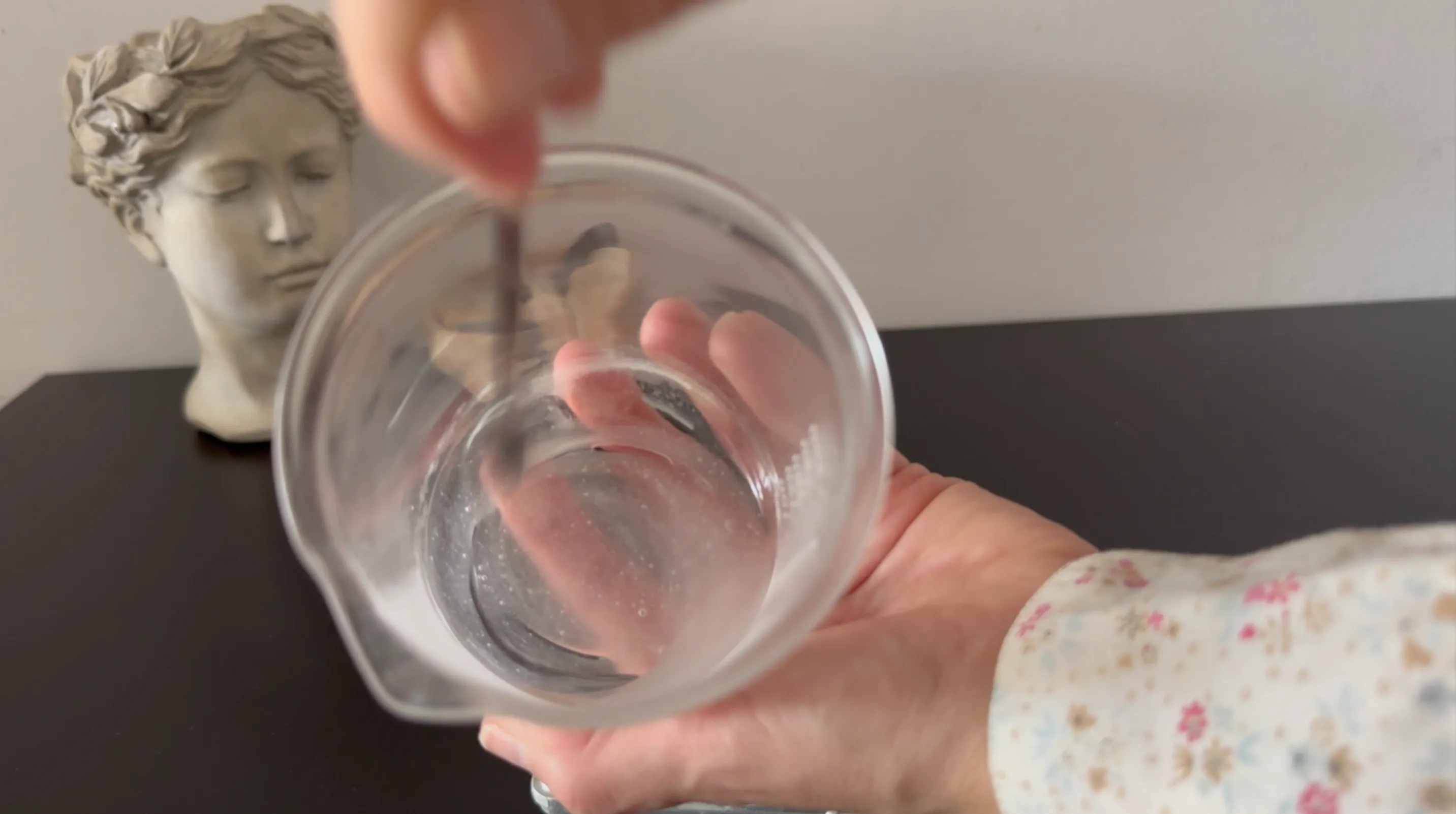
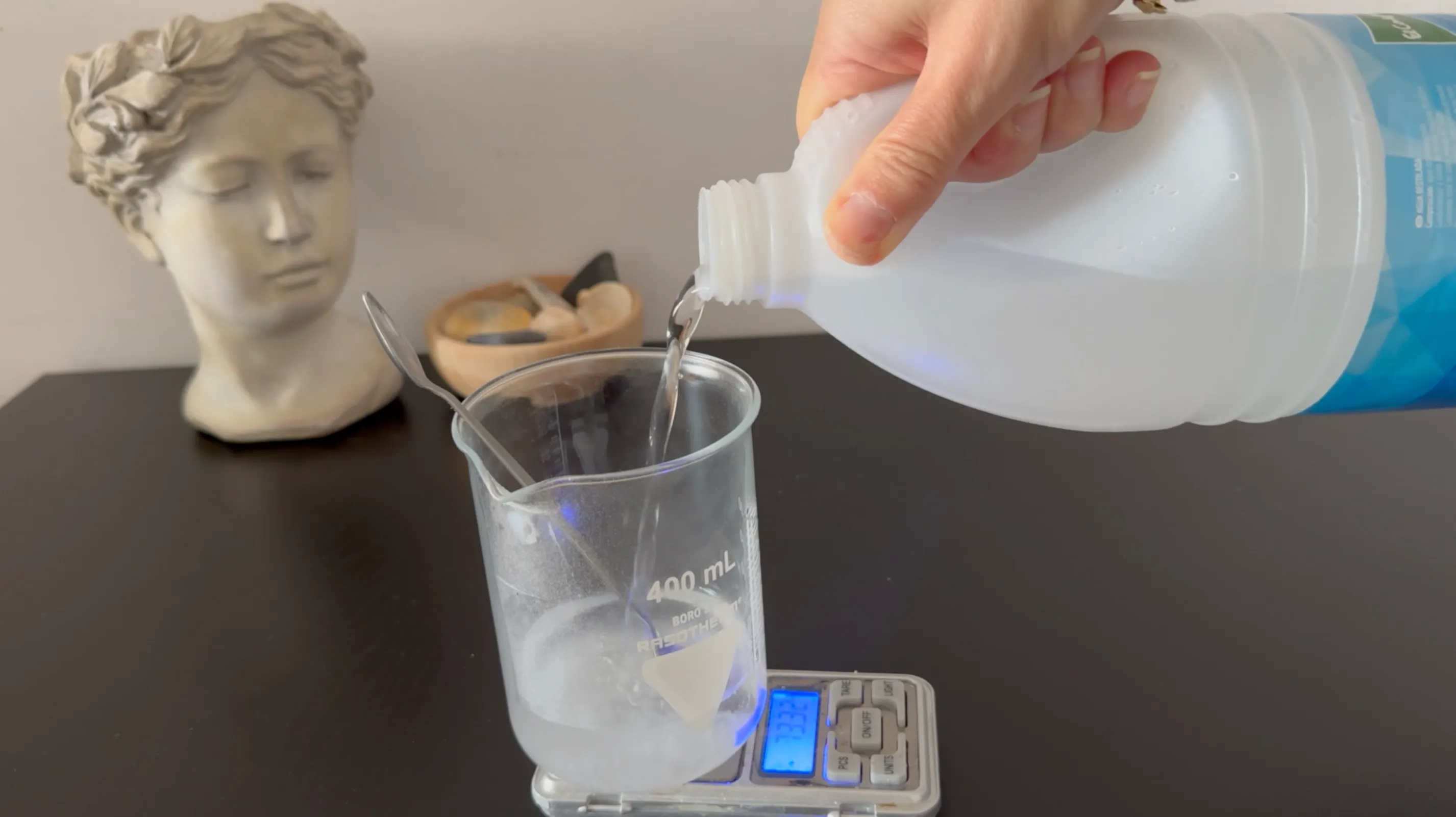
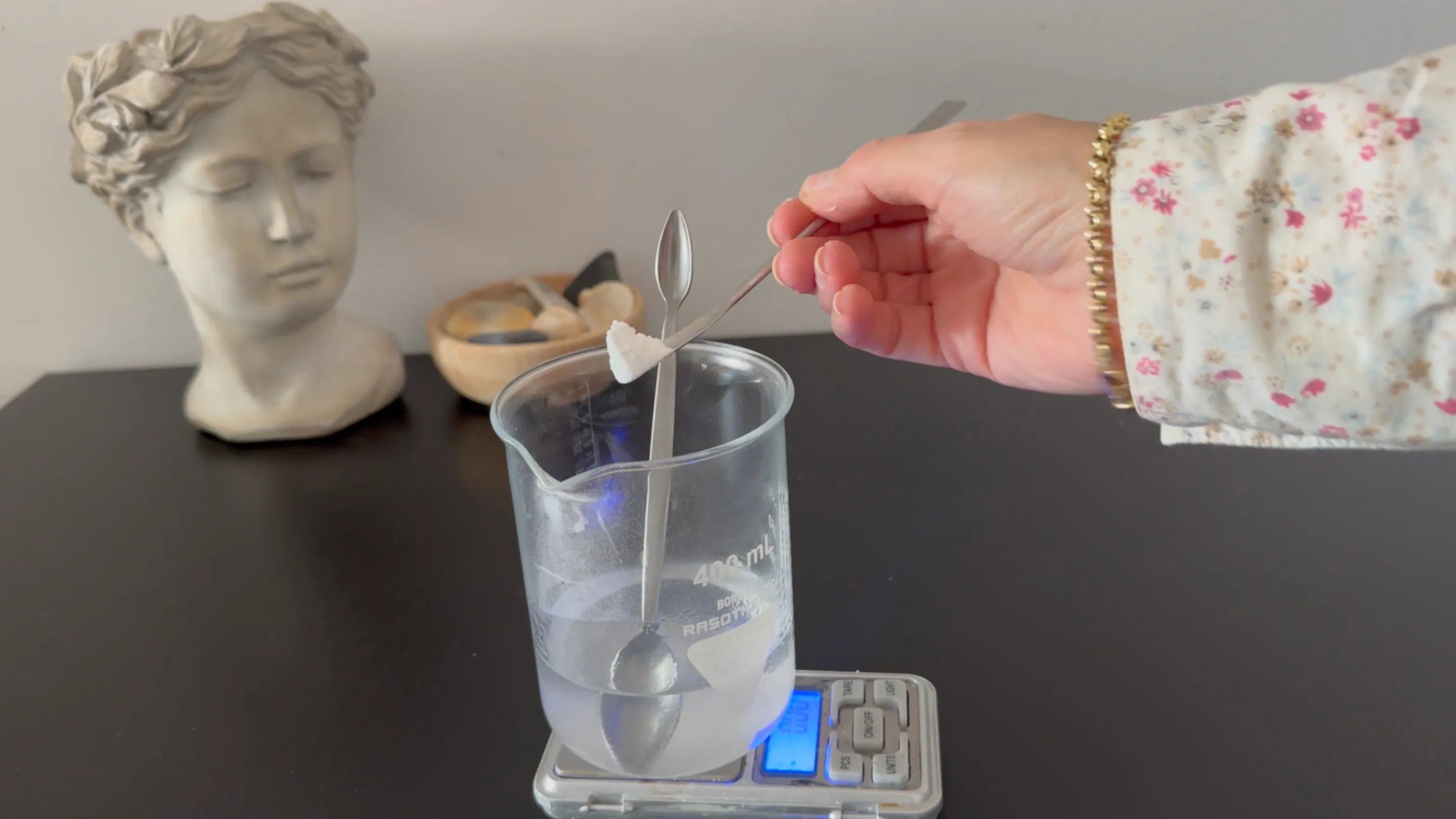
- In another beaker combine Phase B ingredients.
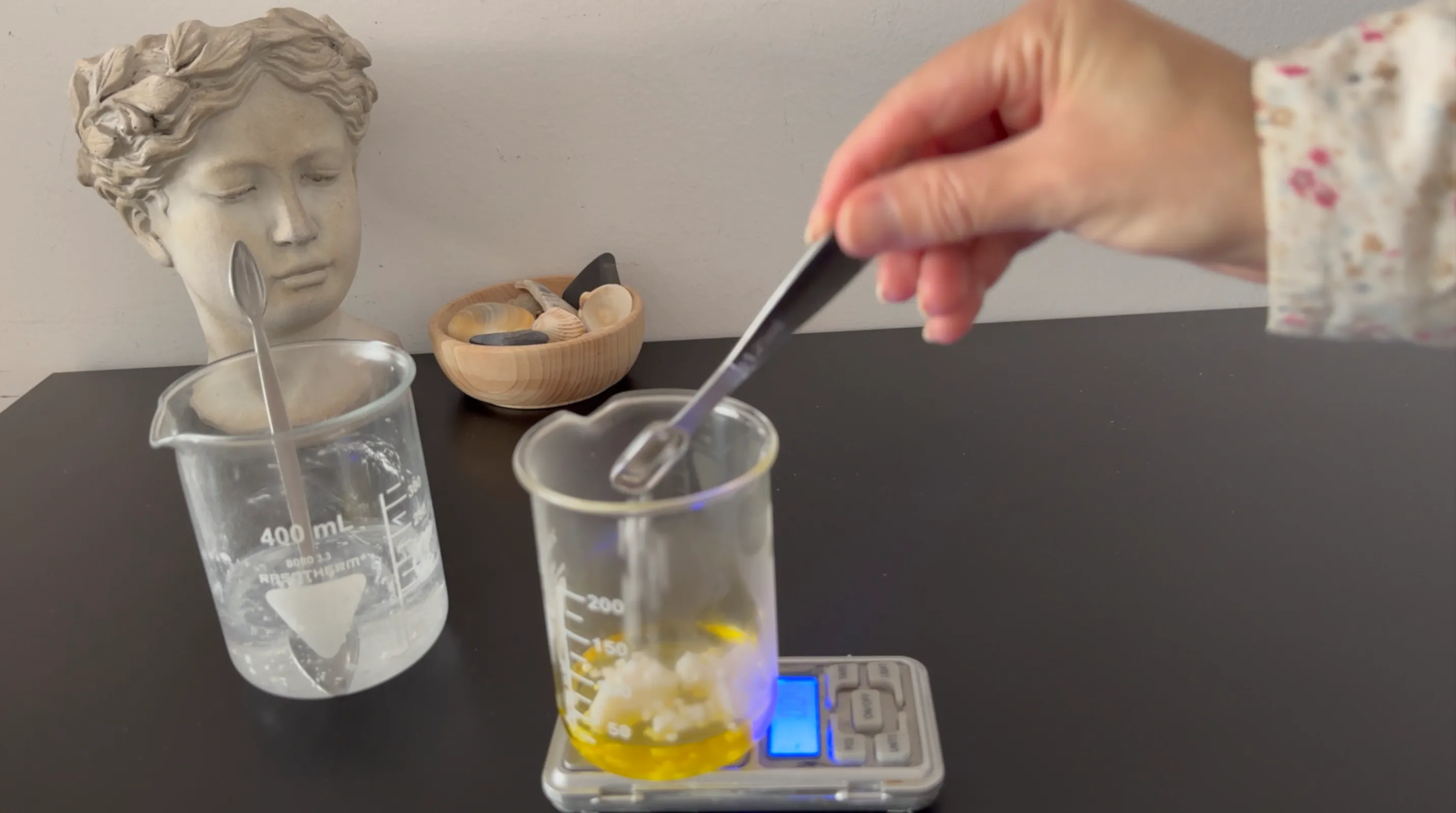
- Place phases A and B into a double boiler and heat on a medium heat for about 20 minutes.
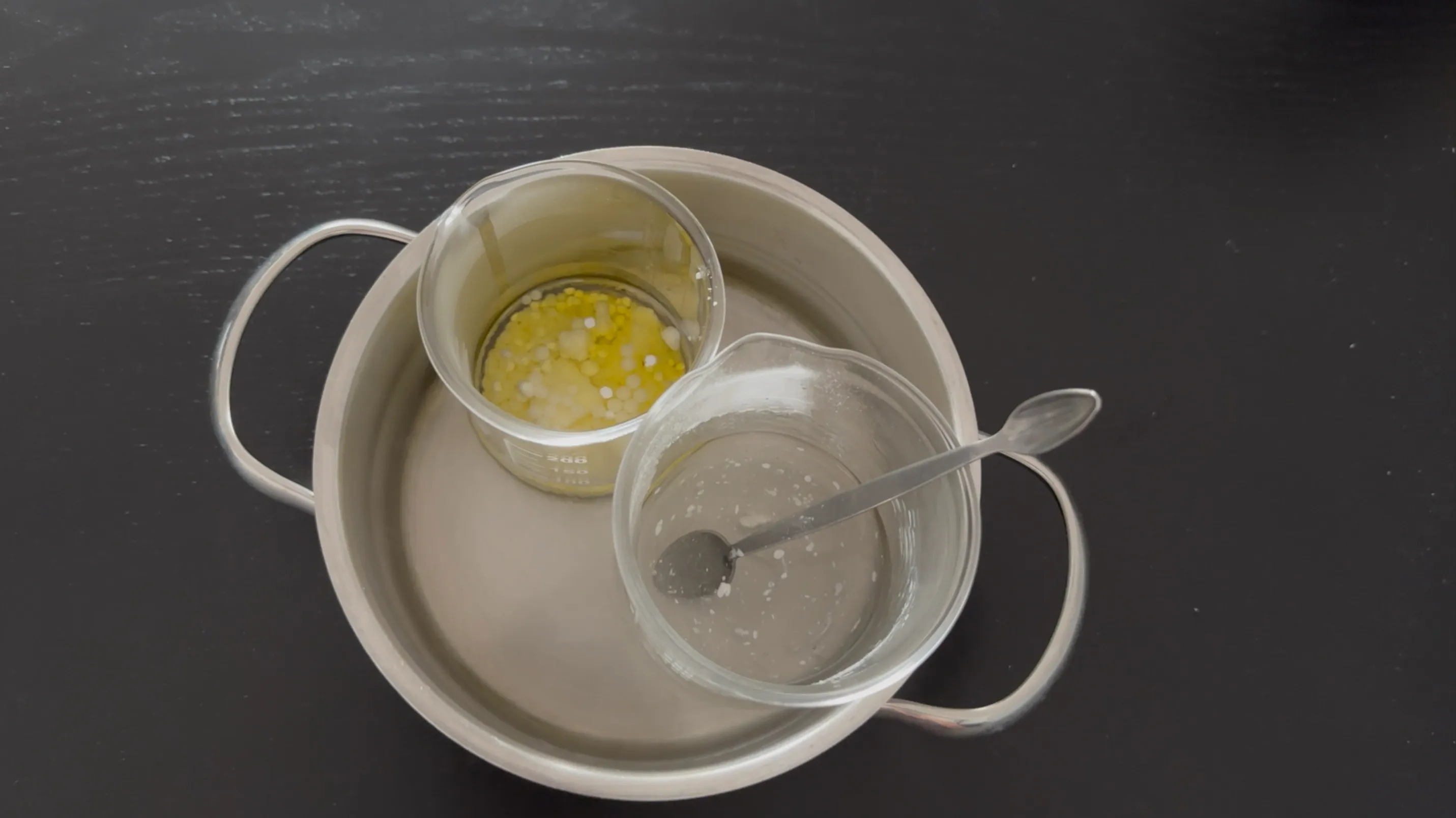
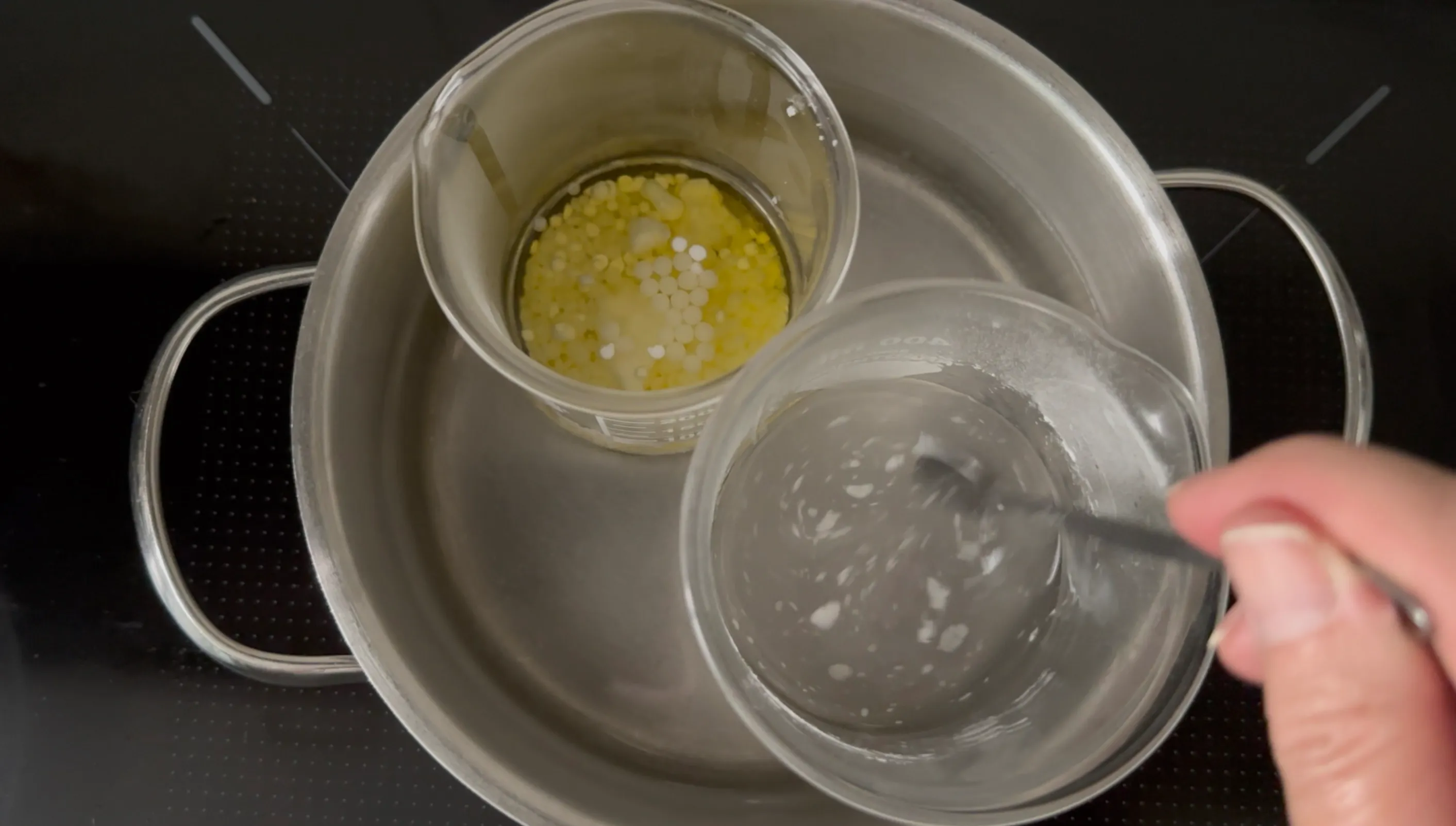
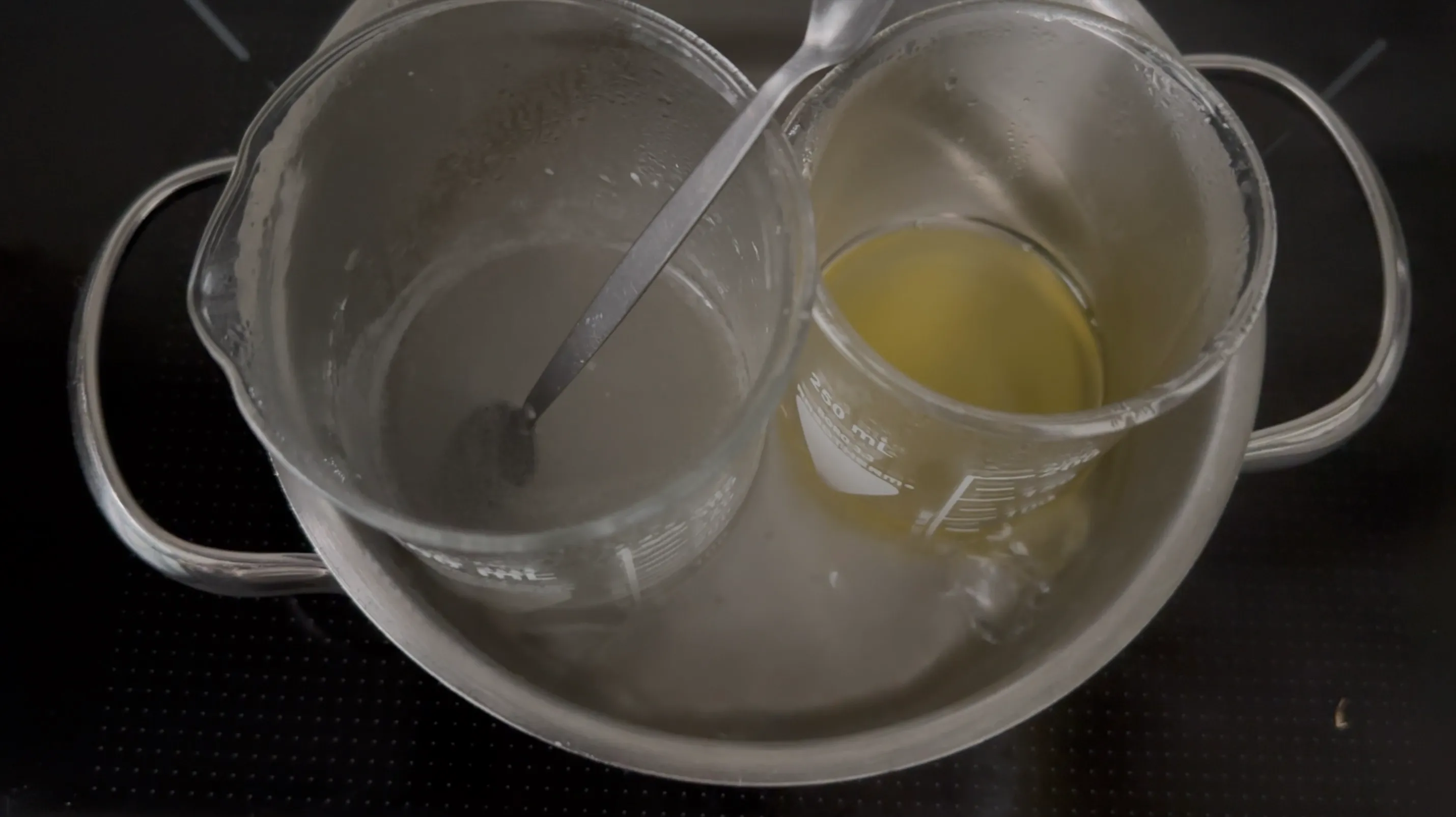
- In a different beaker add phase C ingredients and set aside.
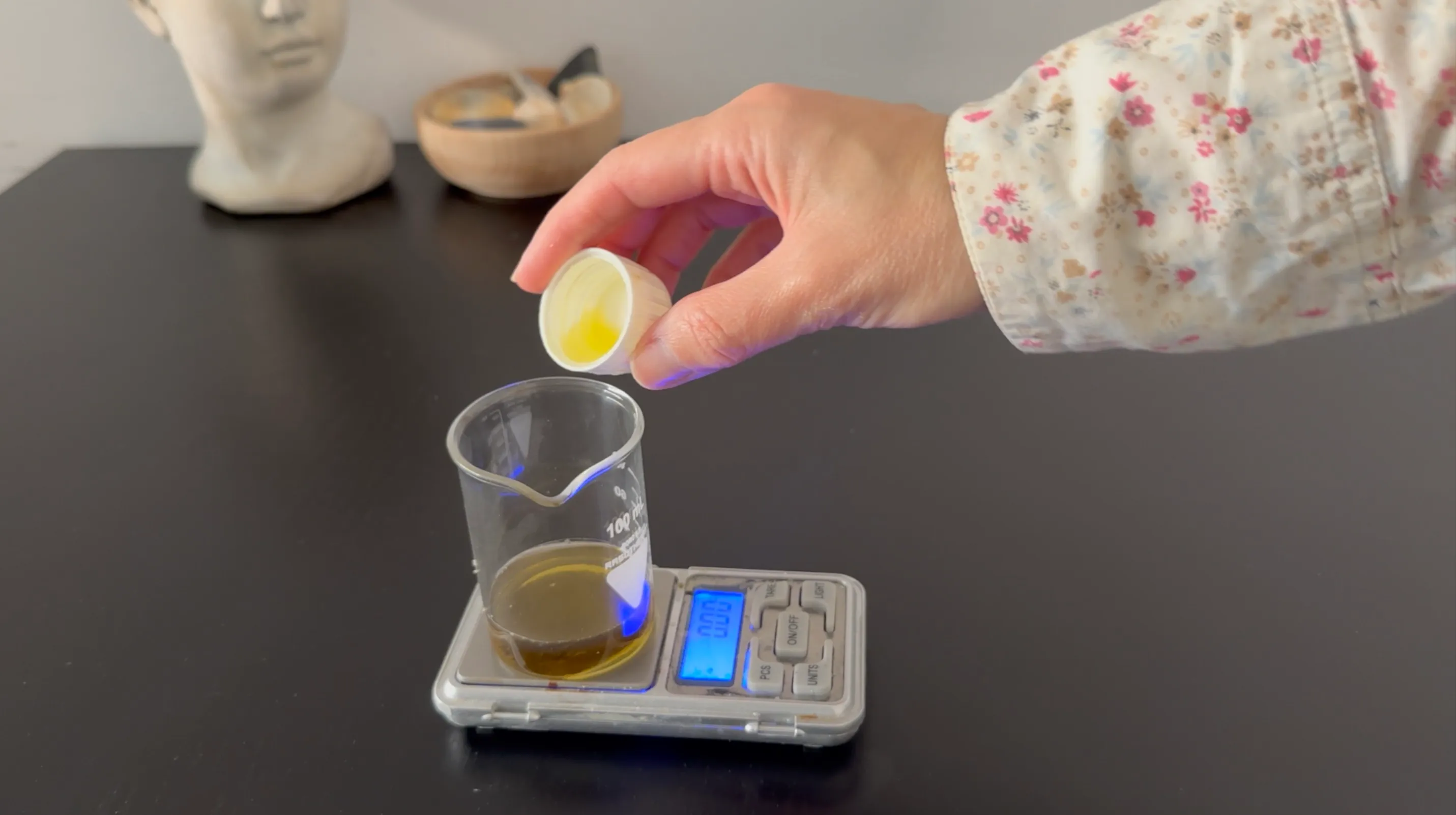
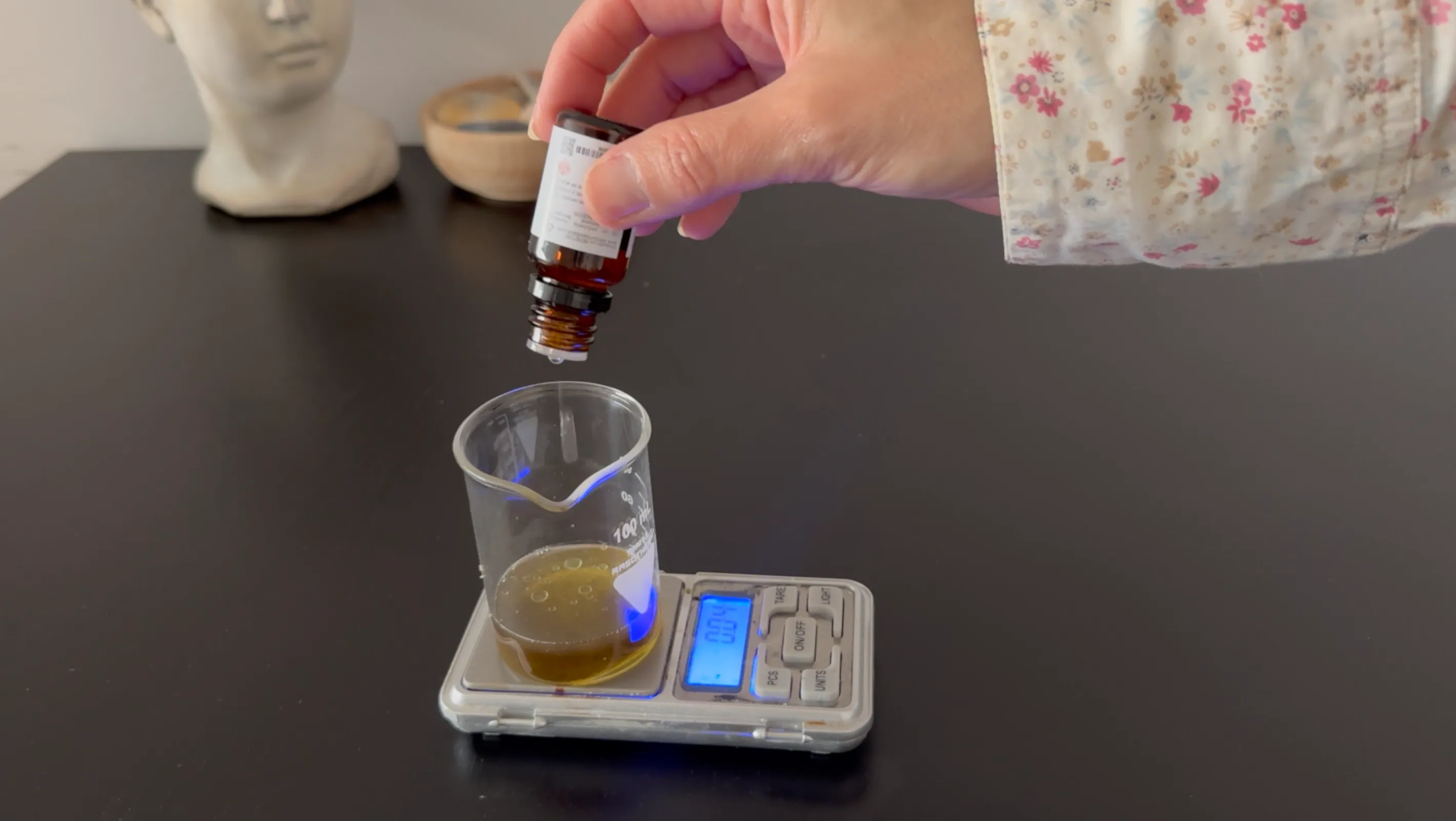
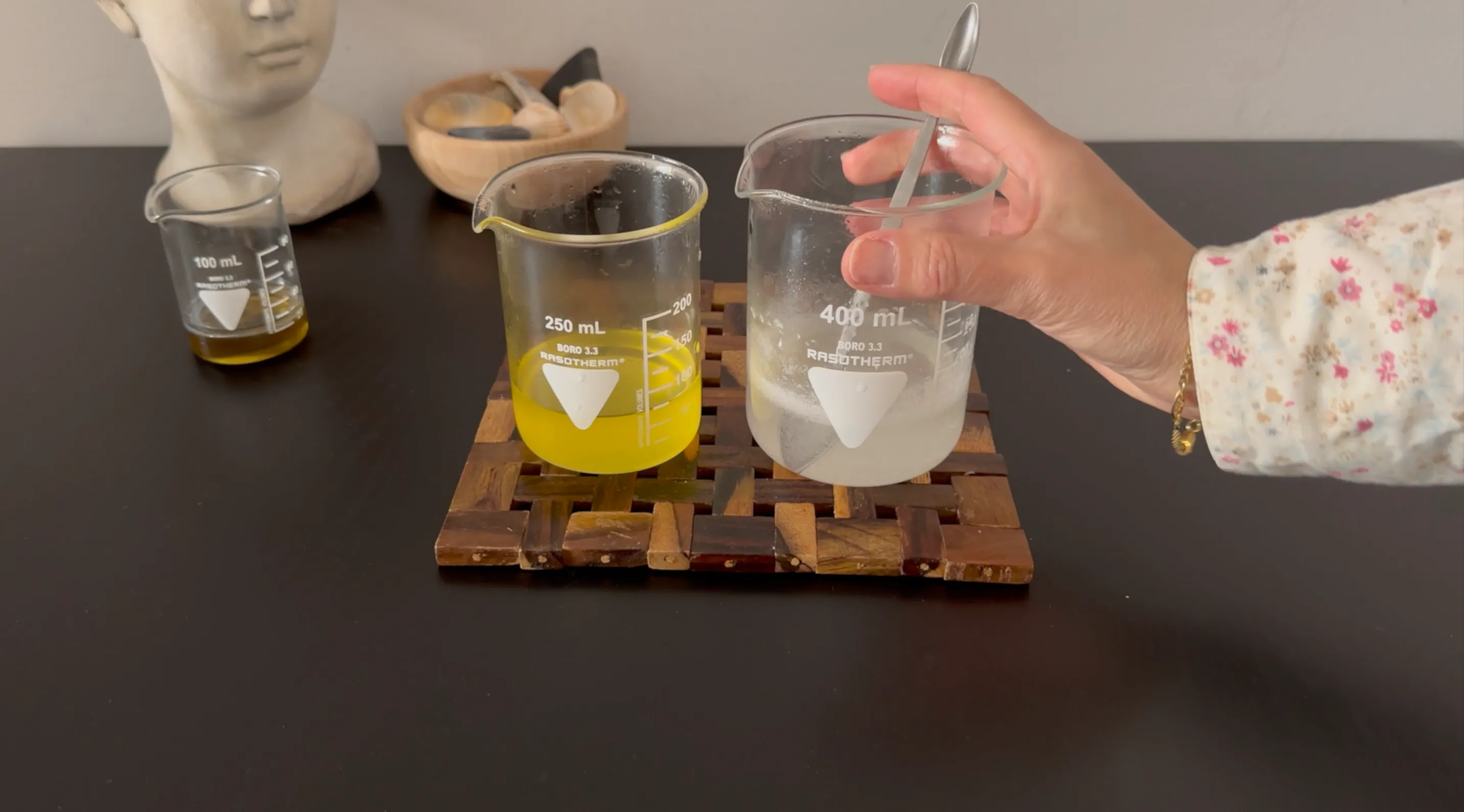
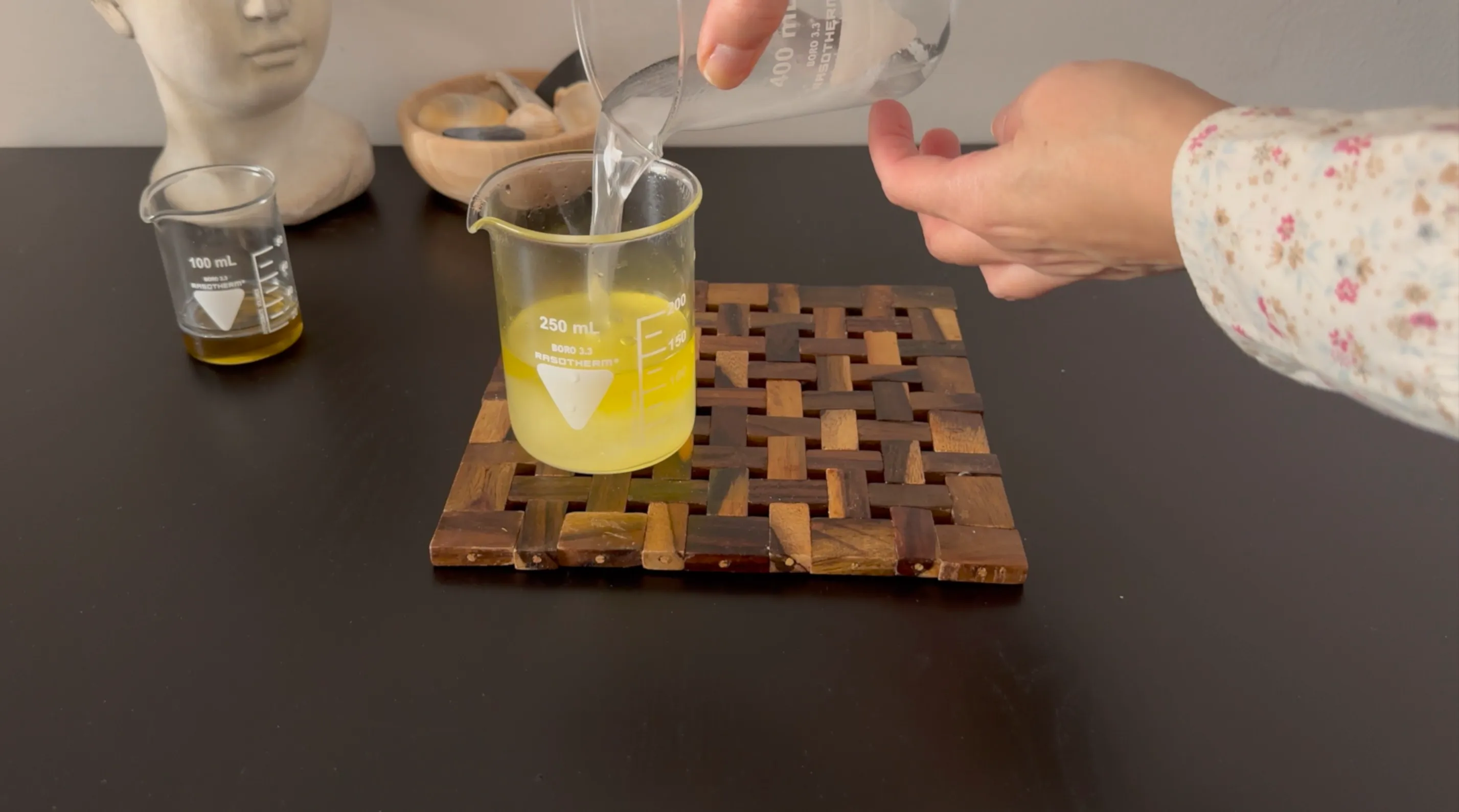
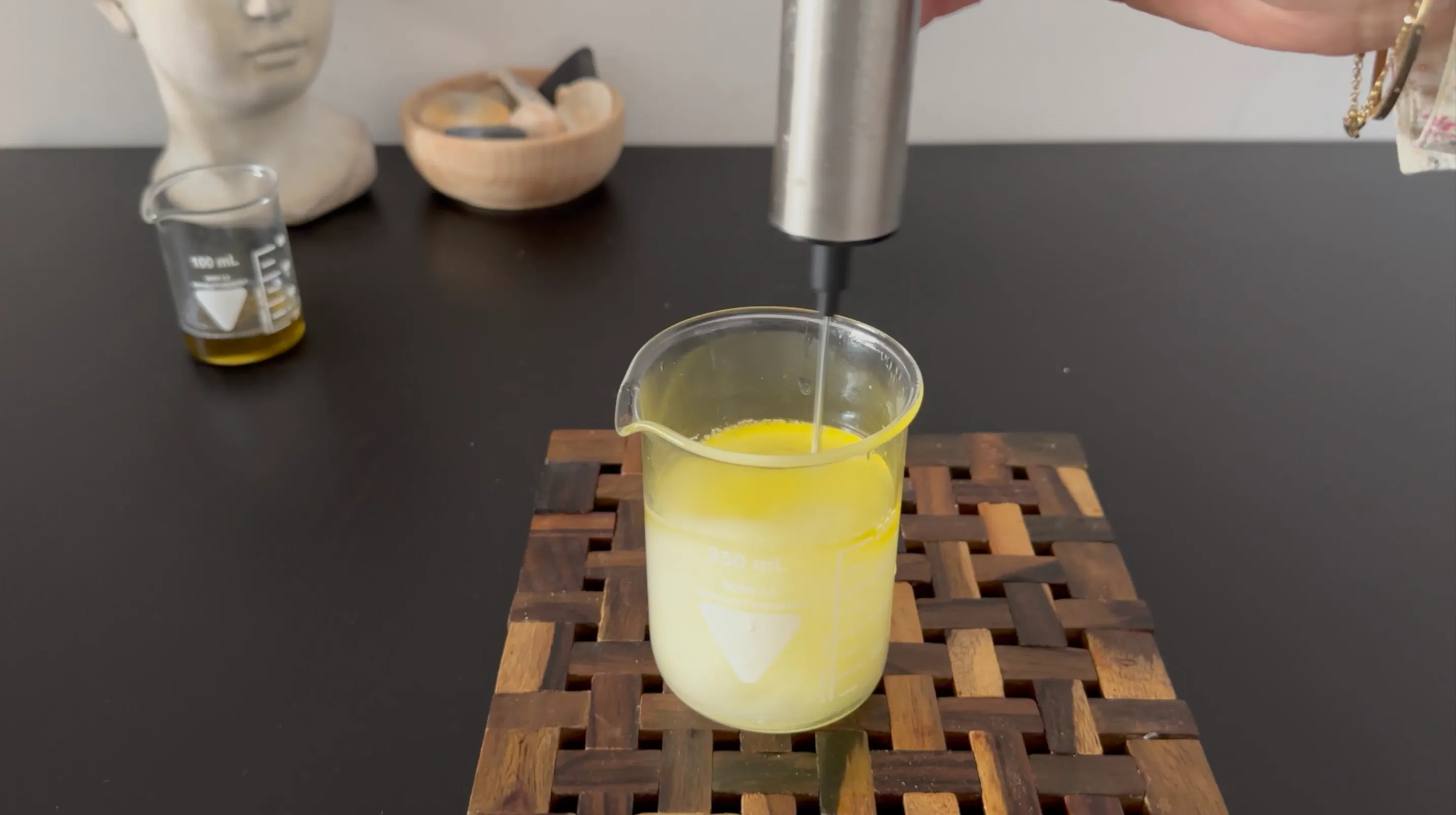
- After 20 minutes remove phases A and B from the heat. Slowly pour Phase A into Phase B while stirring or using a mixer until a uniform emulsion forms.
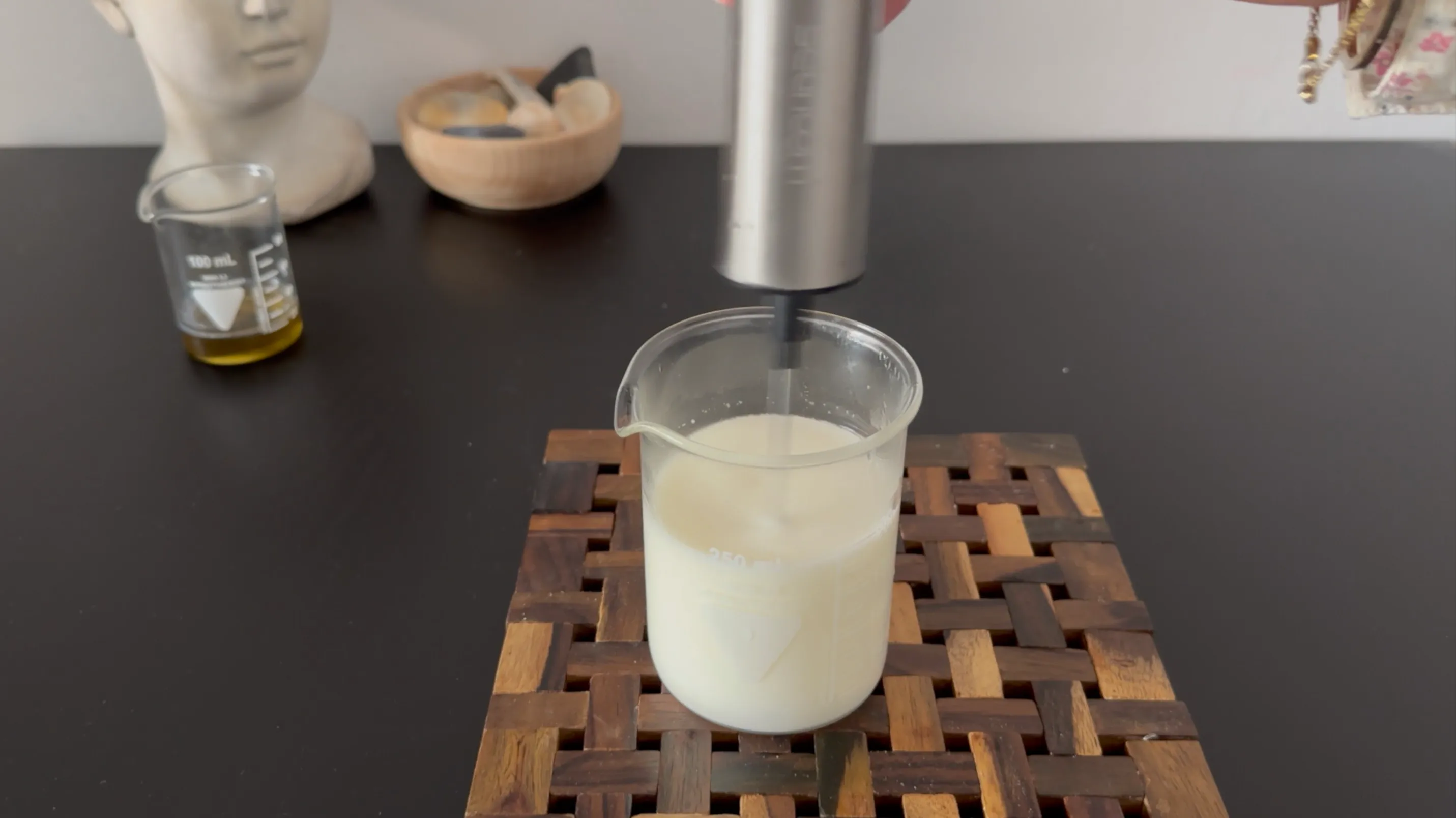
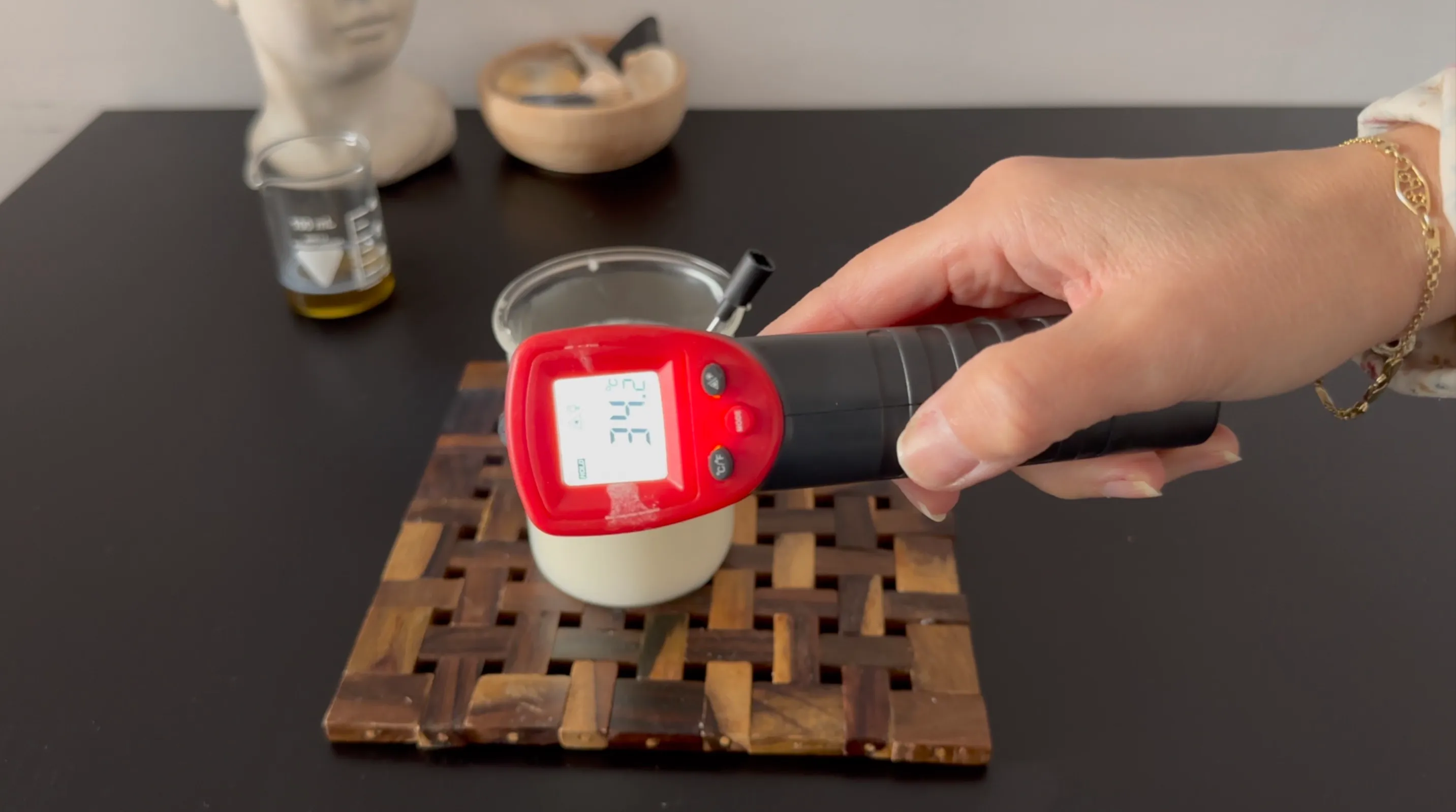
- Allow the mixture to cool below 40 deg C.
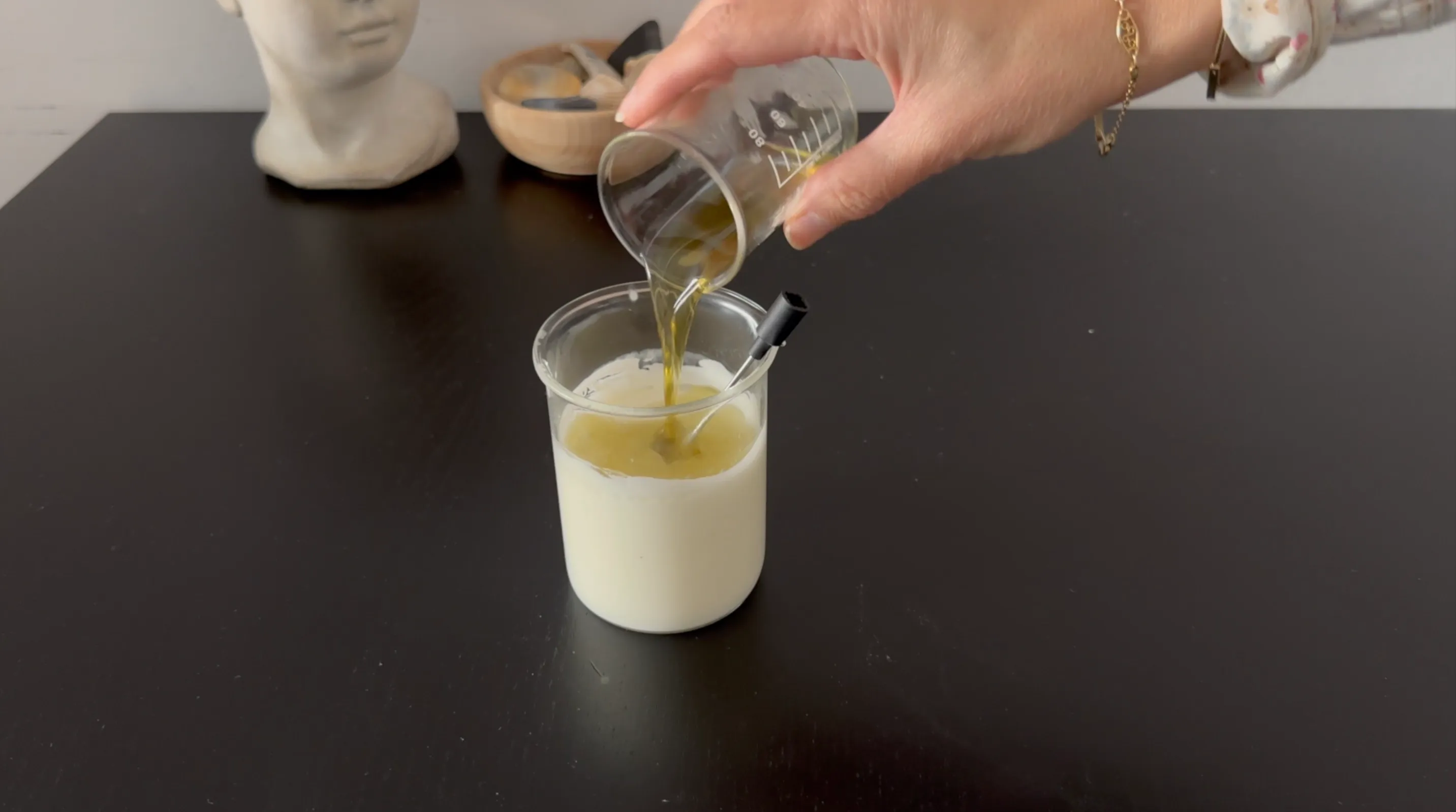
- Add Phase C ingredients to the mixture and combine.
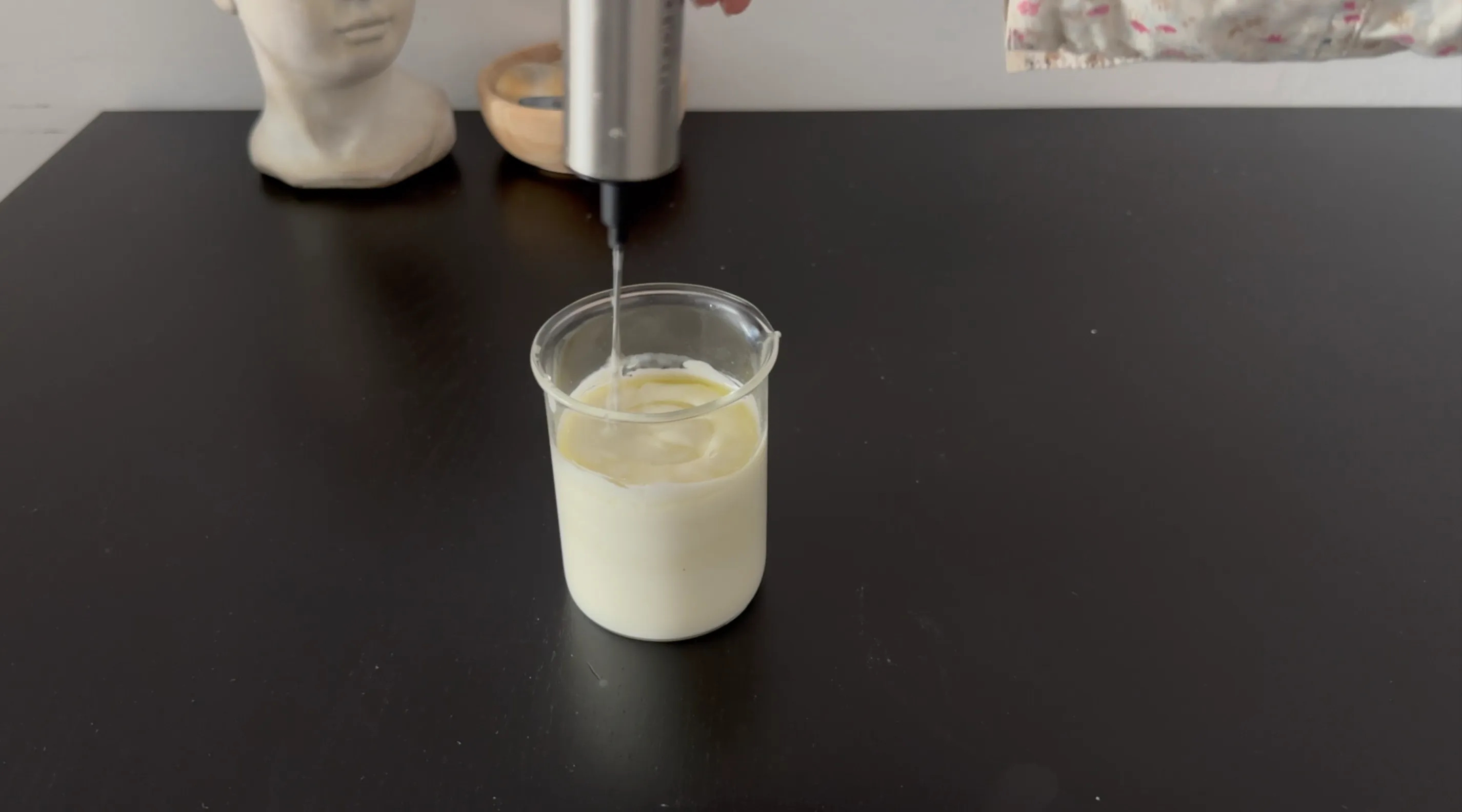
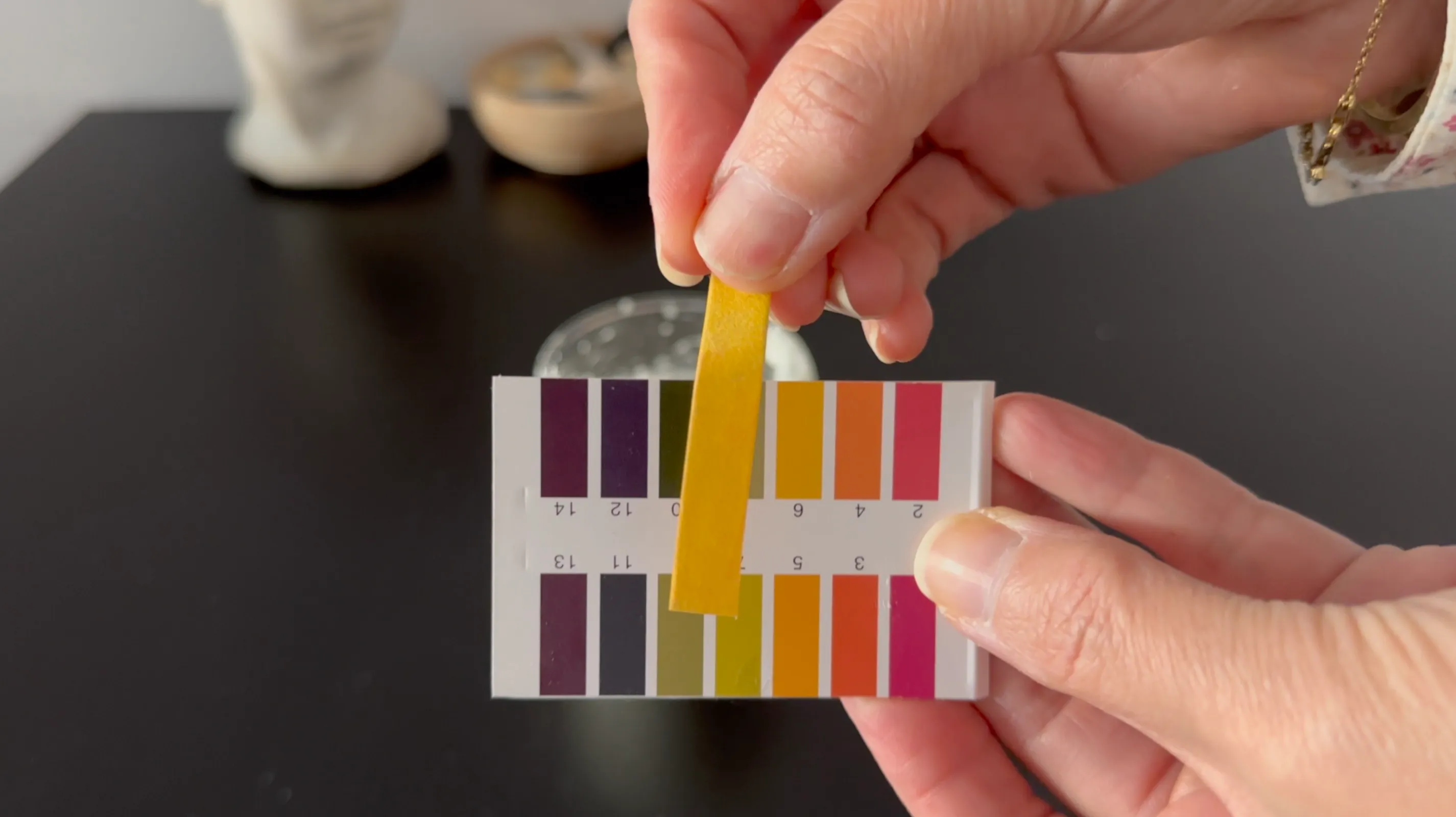
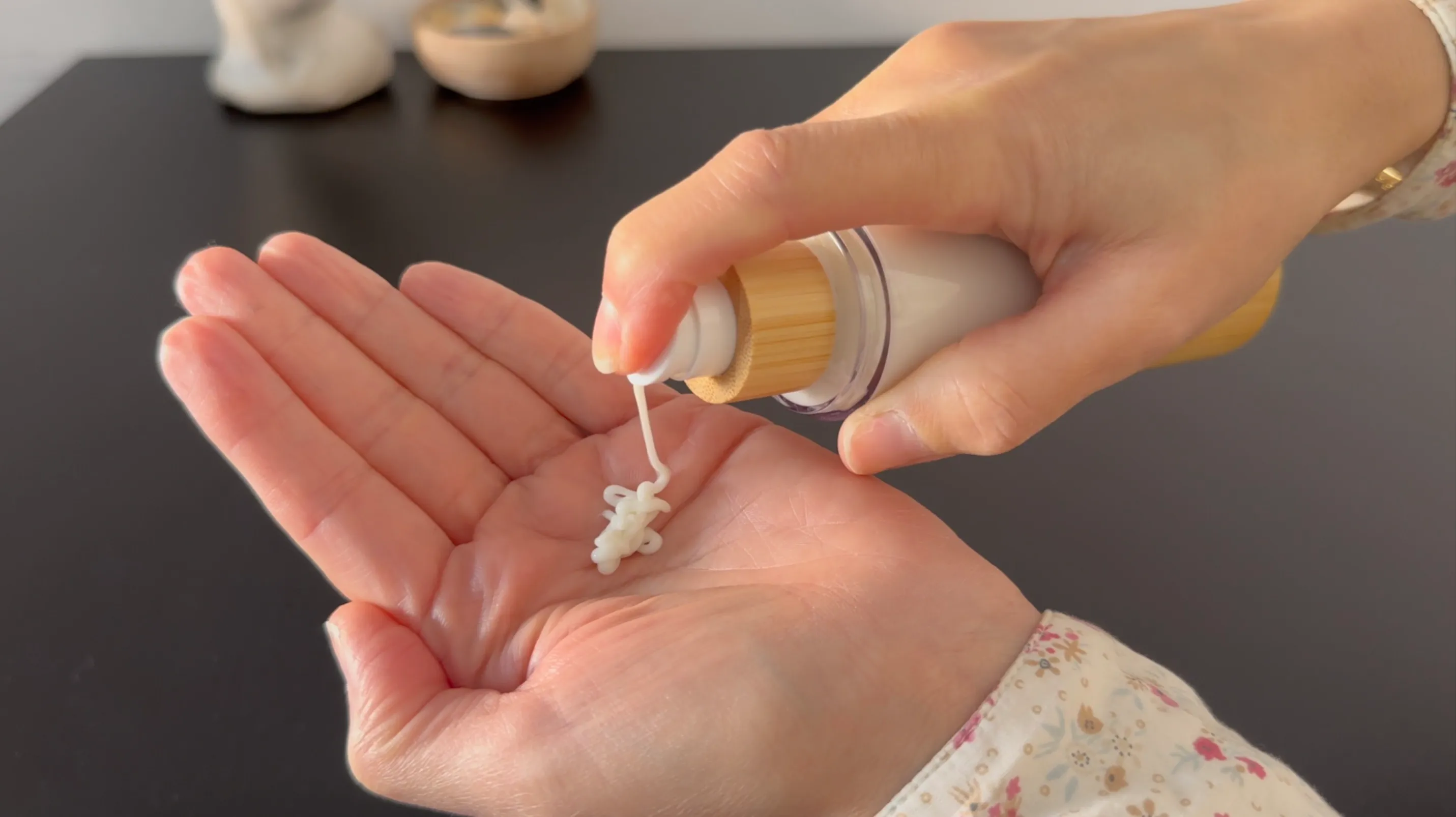
- Check pH approx 5-5.5 and adjust if necessary (here is a post on pH adjustments: https://diycosmetica.com/how-to-adjust-the-ph-level-in-cosmetics) then package in an air-tight jar or pump.
Ingredient Breakdown and Function
Ceramide Complex -- Usually a blend of ceramides NP, AP, and EOP with cholesterol and phytosphingosine. These lipids fill the gaps between corneocytes, sealing moisture in and keeping irritants out. They reorganize with fatty acids and cholesterol from the other ingredients to rebuild the lamellar structure of the skin barrier. This directly increases hydration and resilience.
Glycerin -- A plant-derived humectant that binds water to the stratum corneum, improving elasticity. It synergizes with ceramides: while ceramides prevent water loss, glycerin ensures there is enough water to retain.
Jojoba Oil -- Technically a liquid wax whose composition closely resembles human sebum. It softens skin, delivers fatty acids for barrier repair, and improves the absorption of the ceramide complex. Alternatives: avocado oil (richer) or aloe vera oil (lighter).
Mango Butter -- Pressed from mango kernels, high in stearic and oleic acid. Adds structure, improves smoothness, and slows evaporation of water. Works with ceramides to provide the fatty component of the lamellae. Alternatives: shea or kokum butter.
Coco-Caprylate -- A silky, light emollient derived from coconut alcohols and caprylic acid. Gives slip and spreadability, balancing the heavier butters. Alternatives: fractionated coconut oil or caprylic/capric triglycerides.
Cetyl Alcohol -- A fatty alcohol (not drying) that thickens and stabilizes the cream while reinforcing the occlusive layer. Improves consistency and gives a soft, creamy texture.
Montanov 68 (Emulsifying Wax) INCI: Cetearyl Alcohol (and) Cetearyl Glucoside Origin: Plant-derived (sugar and fatty alcohol from coconut or palm).
Montanov 68 is a natural, self-emulsifying wax created from glucose and fatty alcohols. It forms lamellar liquid-crystal structures within the emulsion -- layers that closely resemble the skin's own lipid organization. These structures not only stabilize the formula but also improve skin hydration and tolerance because they mimic the skin barrier. Lamellar emulsions made with Montanov 68 reduce TEWL (transepidermal water loss) and enhance long-term moisture retention compared to conventional emulsifiers.
It produces a rich, creamy, medium-to-thick texture with a soft, cushioned skin feel -- not waxy or heavy. It is ideal for face and body creams containing ceramides, oils, and botanical extracts because it is gentle, non-ionic (compatible with actives of various charges), and stable across a broad pH range (4.5-7.5).
Alternatives with similar texture and density:
- Olivem 1000 (Cetearyl Olivate & Sorbitan Olivate), a natural emulsifier derived from olive oil. It also forms liquid-crystal structures, giving a silky and slightly lighter texture than Montanov 68. Excellent for facial creams and lotions that need fast absorption with a velvety finish.
- Polawax NF (Cetearyl Alcohol & Polysorbate 60), a reliable emulsifying wax with a dense, creamy feel and a very stable emulsion structure. It does not have the same lamellar moisturizing boost as Montanov 68 but offers comparable consistency and viscosity, especially in rich creams.
- Emulsan II (Dermofeel GSC) (Glyceryl Stearate Citrate), another Ecocert- approved, non-ionic O/W emulsifier that provides a similar medium-thick cream texture but with a slightly lighter, more "gel-cream" finish. It is excellent for sensitive-skin products.
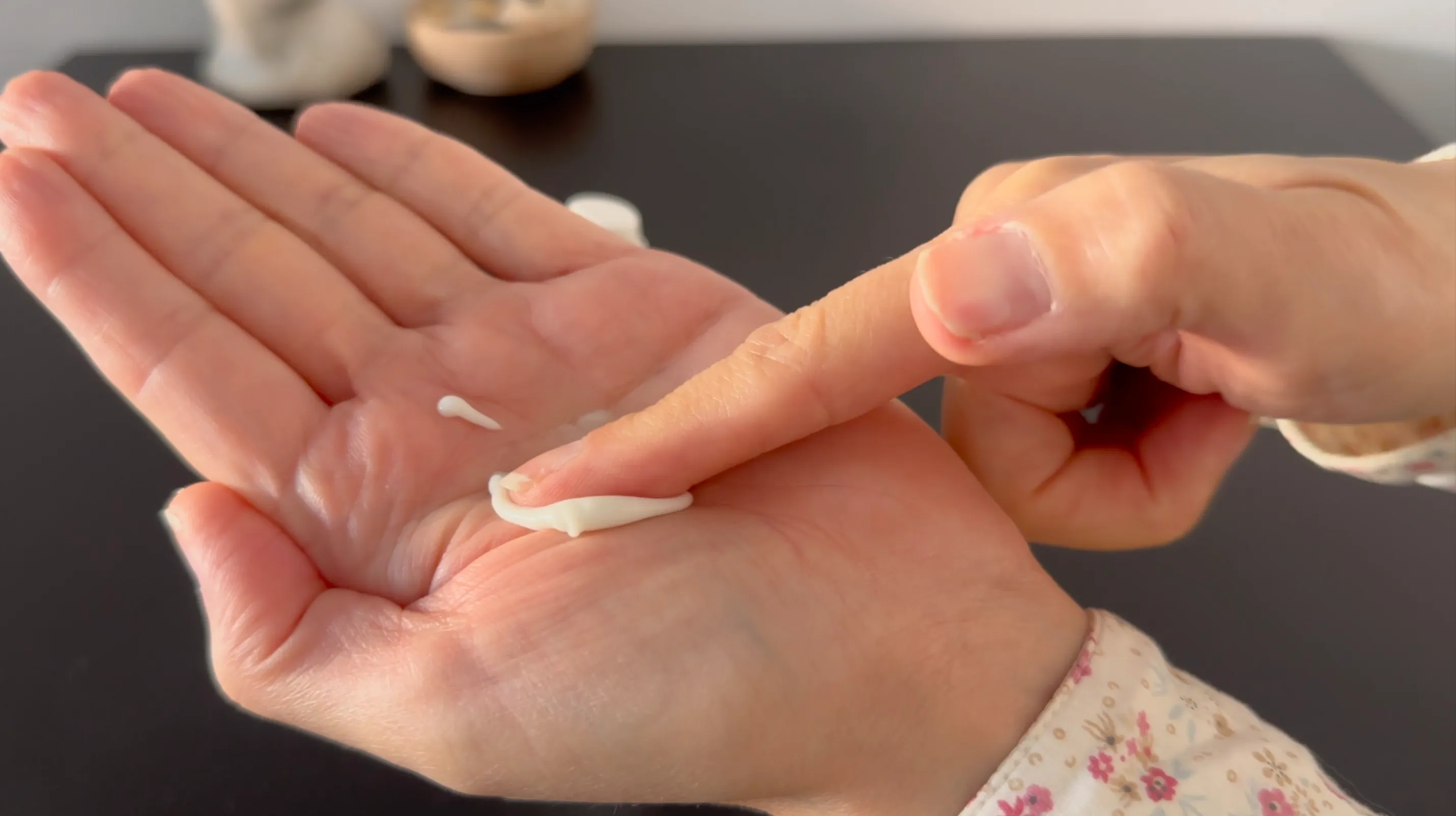
Allantoin -- Found in comfrey root, used for its keratolytic and healing effects. It promotes cell turnover and calms irritation, making this formulation ideal for stressed skin. Alternatives: aloe vera liquid or panthenol (if using panthenol add it in phase C).
Xanthan Gum -- Natural polysaccharide that stabilizes and thickens the emulsion, preventing phase separation. Creates the elegant glide typical of modern creams.
Green Tea Extract -- Rich in epigallocatechin gallate (EGCG), a potent antioxidant that protects skin lipids -- including ceramides -- from oxidation caused by UV and pollution. Alternatives: cucumber extract for soothing, pomegranate for extra antioxidant effect.
Distilled Water -- Serves as the solvent that carries water-soluble actives, enabling uniform hydration across the skin surface. Alternatives: rose hydrosol or aloe vera liquid.
Cosgard Preservative -- Eco-certified blend of benzyl alcohol and dehydroacetic acid that prevents bacterial and fungal growth. Always essential in emulsions containing water. If you are using a different preservative, use it according to the supplier instructions.
Neroli Essential Oil -- Adds a delicate floral scent and mild toning effect. Completely optional: omit for ultra-sensitive or fragrance-free versions. Alternatives: lavender essential oil. If you skip the essential oil, add the amount to the distilled water to adjust the formula.
Read more about ceramides
- Ceramides and Skin Health: New Insights. https://pubmed.ncbi.nlm.nih.gov/39912256/
- The effect of ceramides on skin absorption by Raman spectroscopy. https://pmc.ncbi.nlm.nih.gov/articles/PMC11430771/
- Effectiveness of a Skin Care Program With a Cream Containing Ceramide C and a Personalized Training for Secondary Prevention of Hand Contact Dermatitis. https://pmc.ncbi.nlm.nih.gov/articles/PMC10029085/
- Topical Delivery of Ceramide by Oil-in-Water Nanoemulsion to Retain Epidermal Moisture Content in Dermatitis. https://pmc.ncbi.nlm.nih.gov/articles/PMC12108929/
Related articles
- https://diycosmetica.com/how-to-make-a-basic-lotion-cream
- https://diycosmetica.com/body-cream-for-stretch-marks
- https://diycosmetica.com/creamy-highlighter-bronzer
- https://diycosmetica.com/chamomile-cleansing-balm
- https://diycosmetica.com/niacinamide-face-toner
- https://diycosmetica.com/lip-butter-treatment-for-dry-lips
- https://diycosmetica.com/glucoside-face-cleanser
- https://diycosmetica.com/salicylic-acid-in-cosmetics-and-2-formulas-with-salicylic-acid
- https://diycosmetica.com/ultra-facial-cream-with-squalane