*** Few drops of lactic acid to lower the PH level. To learn more about PH adjustments please check this post here.
If you have never made any cream or lotion before, please read this post on the basics of lotions and creams to understand the basics before making other recipes.
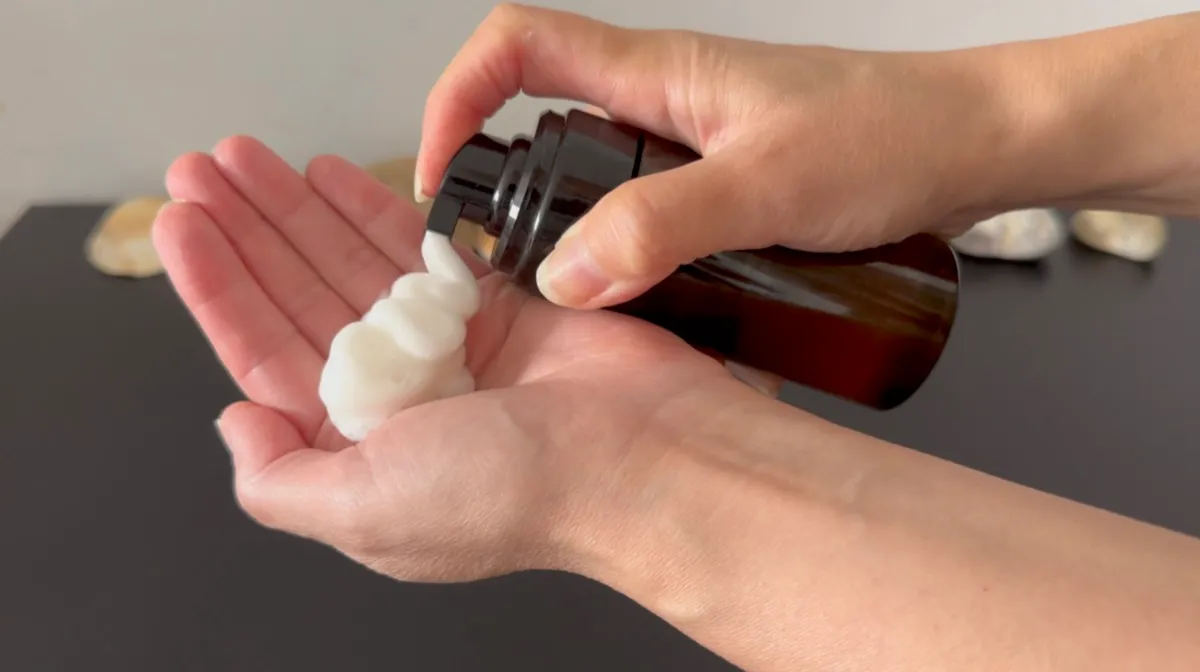
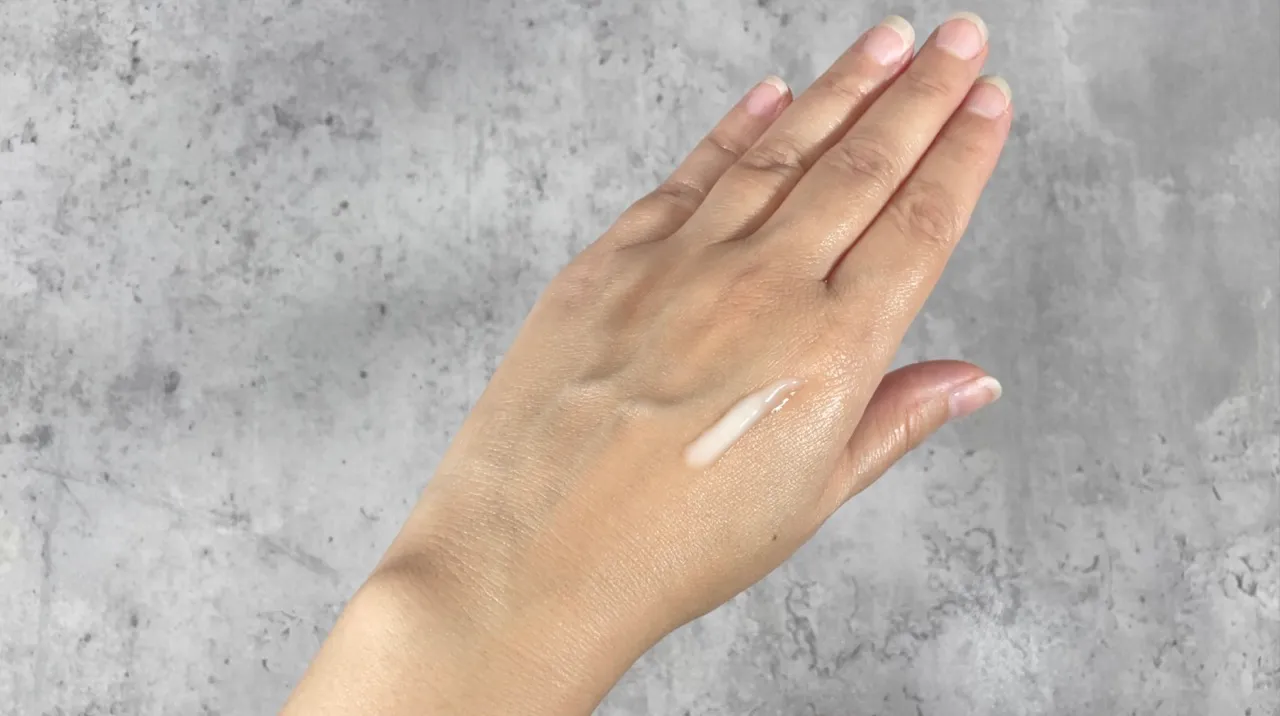
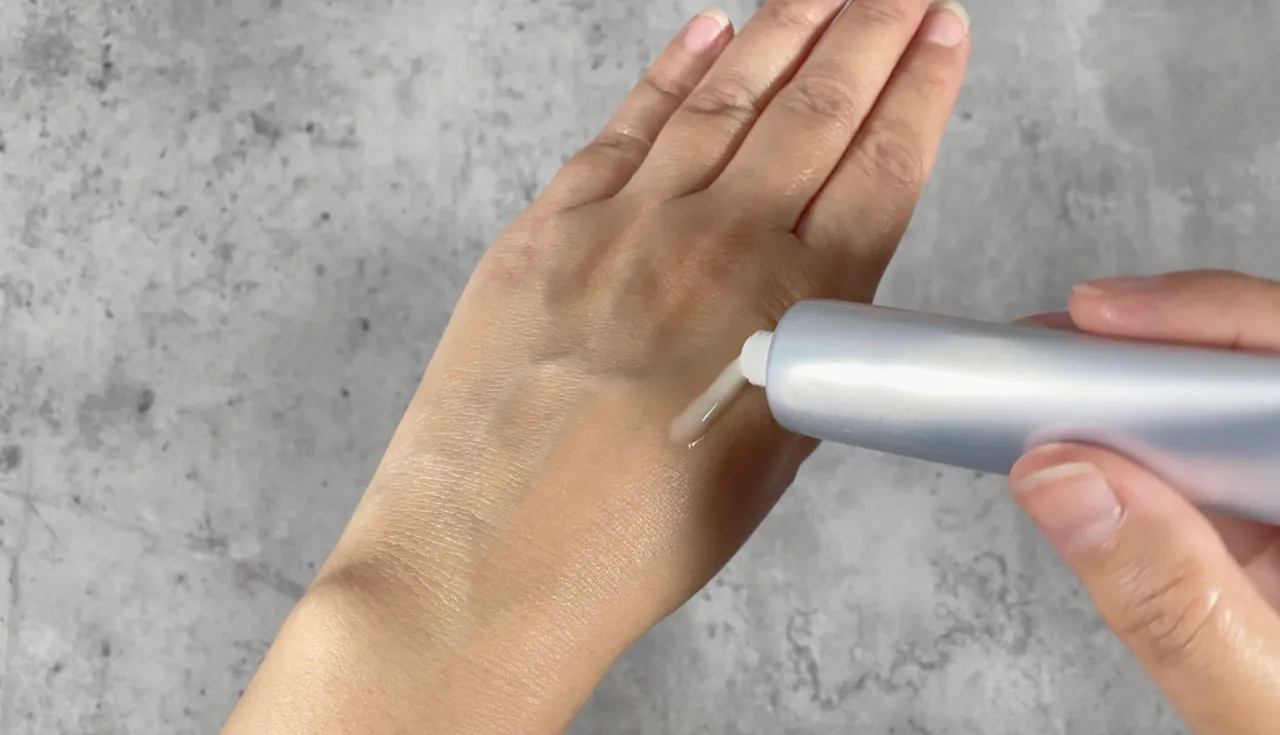
This face cream is ultra-light and fast absorbing. It gives enough hydration to the skin without being too heavy. It's an excellent cream for oily skin or day use when you need just a little hydration and don't want anything too dense on your skin.
I initially formulated this face cream for my teen daughter, who was asking for something super light she could apply without too much waiting for it to be absorbed into her skin.
You can help support my website and channel through the “buy me a coffee” page.
Here is the link: https://www.buymeacoffee.com/diycosmetica
Your support helps me keep sharing here more information and more formulas.
In this recipe, the amount of butter is minimal. I did use a little bit of mango butter to add to the moisturizing properties of this cream.
I combined the mango butter with apricot kernel oil and infused jojoba oil. The jojoba oil has been infused with calendula petals for three months.
Jojoba oil (a liquid wax, even though it's called an oil) is known for balancing natural oil production. It's a great antioxidant and has an anti-inflammatory effect on the skin. Some say jojoba oil can help with acne and other skin conditions. I have used jojoba oil infused with calendula.
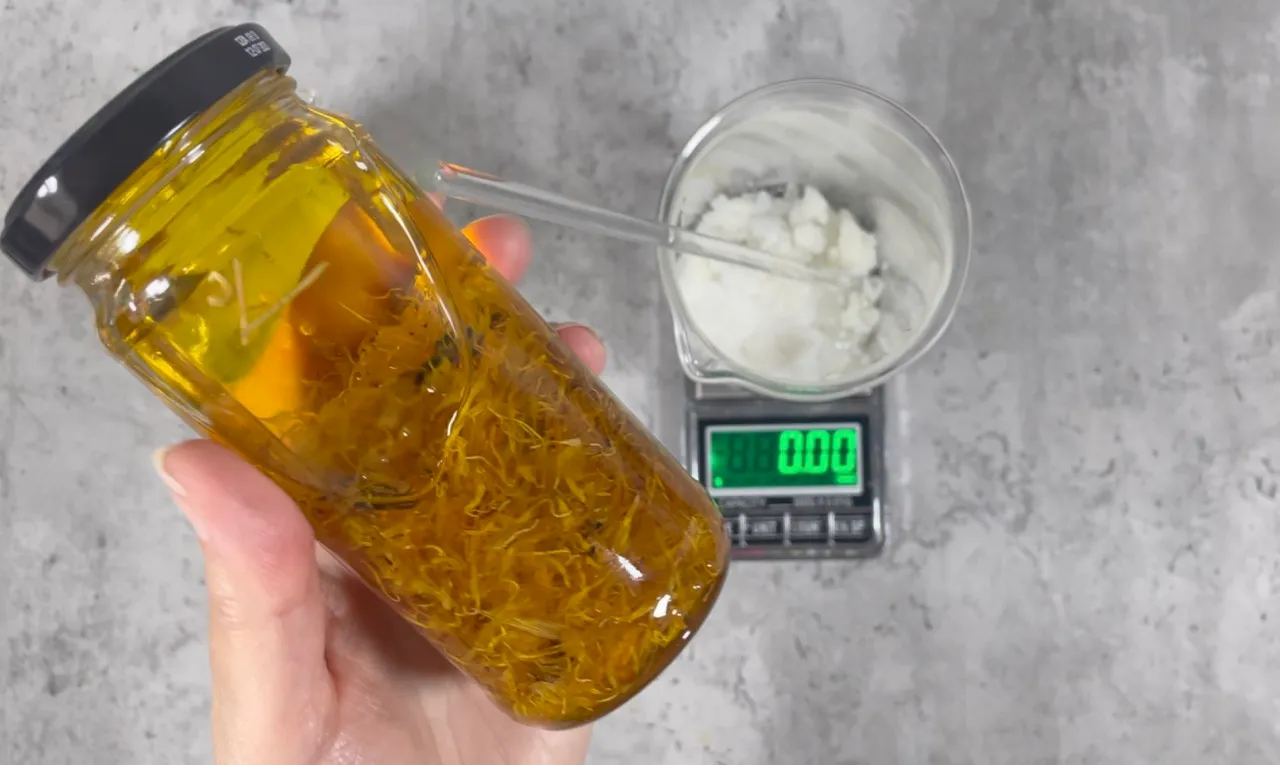
If you want to read more about oil infusions, please read this post.
Niacinamide is a form of vitamin B3. Niacinamide can help build keratin (a protein that is essential for our skin firmness). Since it has anti-inflammatory properties, it can help with many skin conditions. I only use a small percentage of Niacinamide. You can use a higher amount (up to 5% in this cream) and reduce the water amount.
In phase C, the cool-down phase, I used oats extract for its calming properties. You can replace the extracts with other extracts and personalize the cream for your skin type.
I also added VEGELURON. It's considered a plant-based hyaluronic acid. It has a very high water retention capacity. I love using this ingredient in my hair and skin products. It's regarded as a natural alternative to silicone. In this recipe, I've used VEGELURON to increase the moisturizing properties in a hair conditioner.
Now that we know a bit about the ingredients let's make this light face cream. For alternatives, please check the notes section below.
This recipe is for 100g. You are welcome to use the calculator and change the amount you wish to make.
Method:
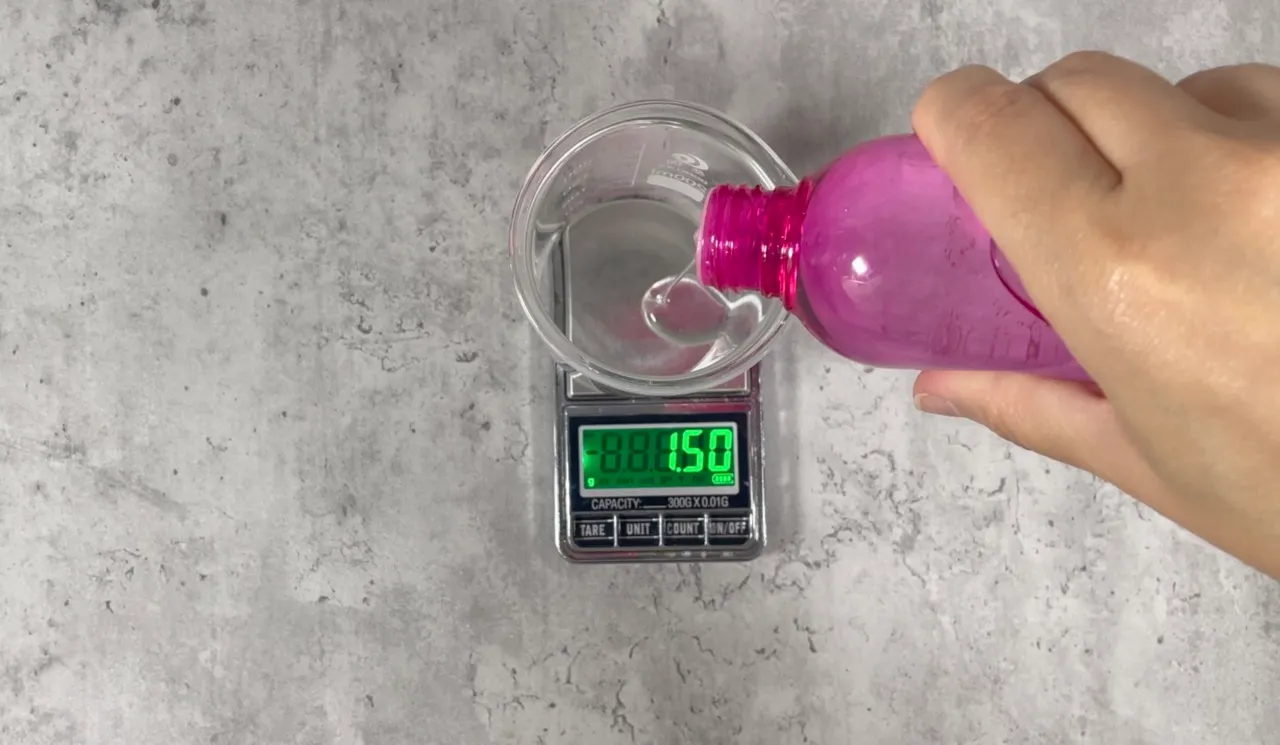
- In a heat-resistance beaker, add phase A ingredients. Start with adding the glycerin and gum and mix them to make a slurry. Then add the water and the Niacinamide and mix everything.
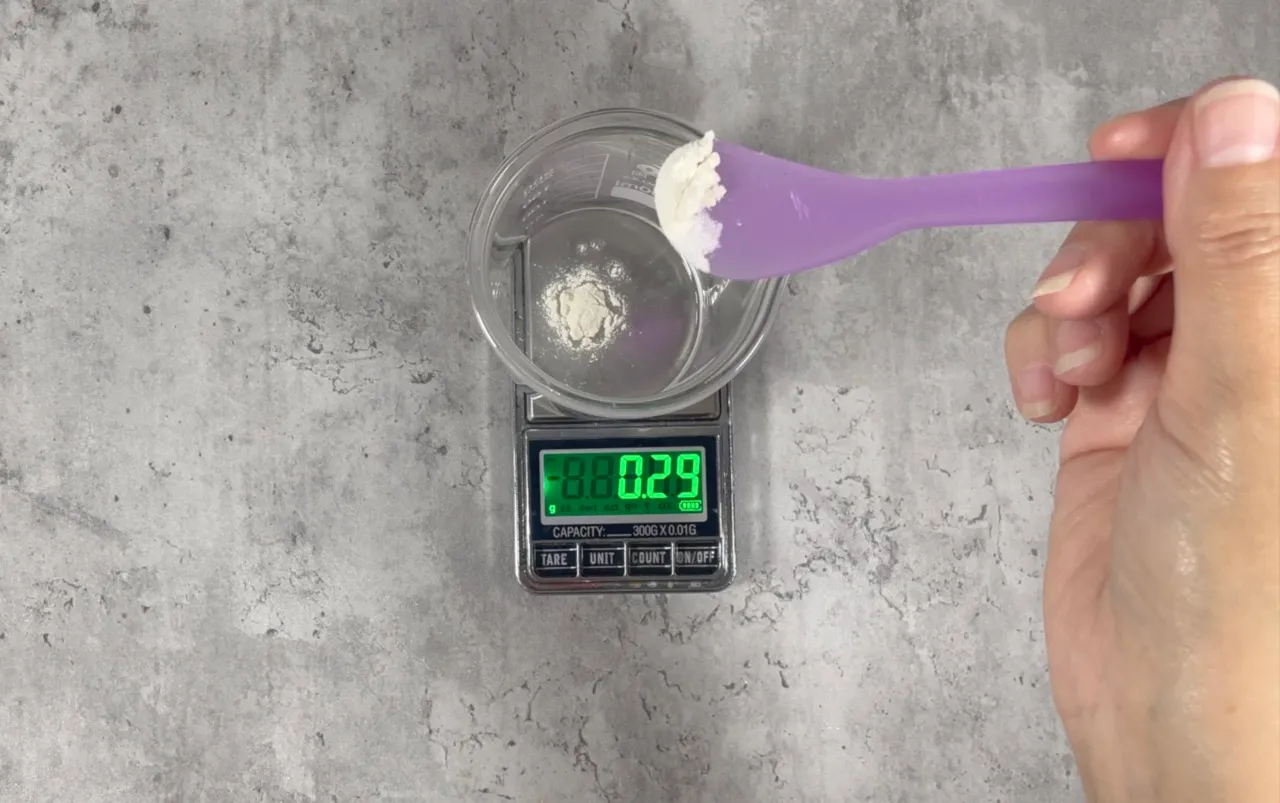
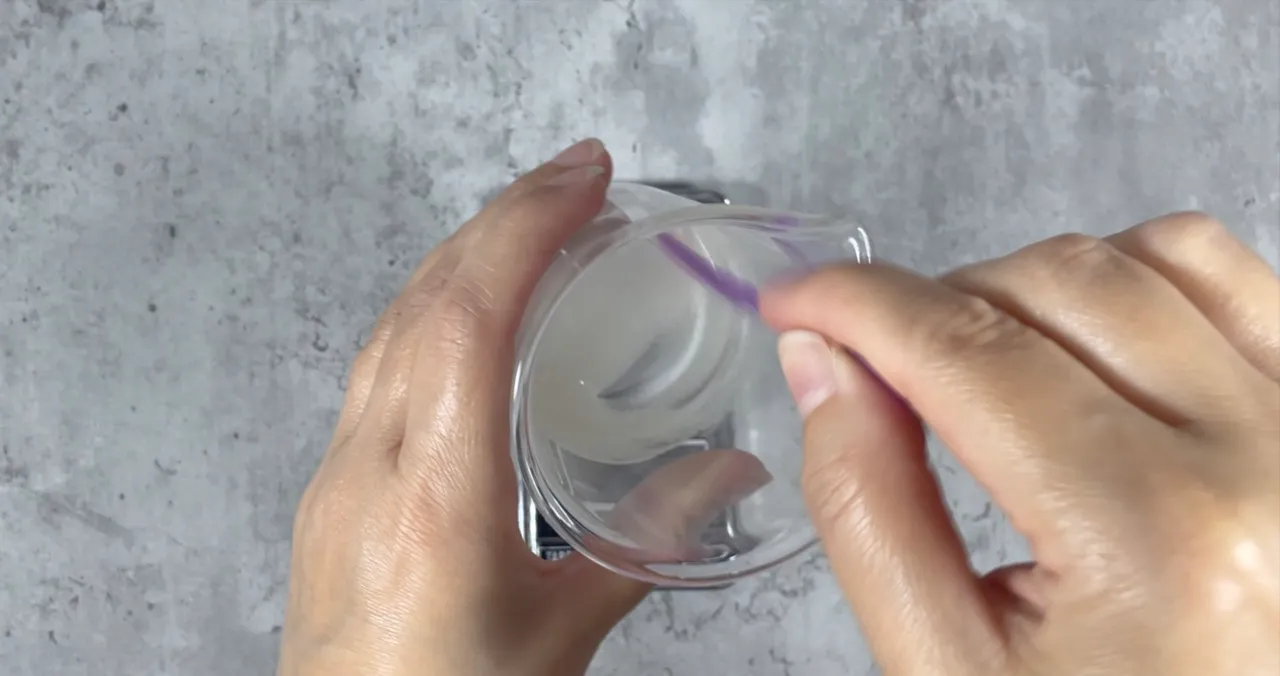
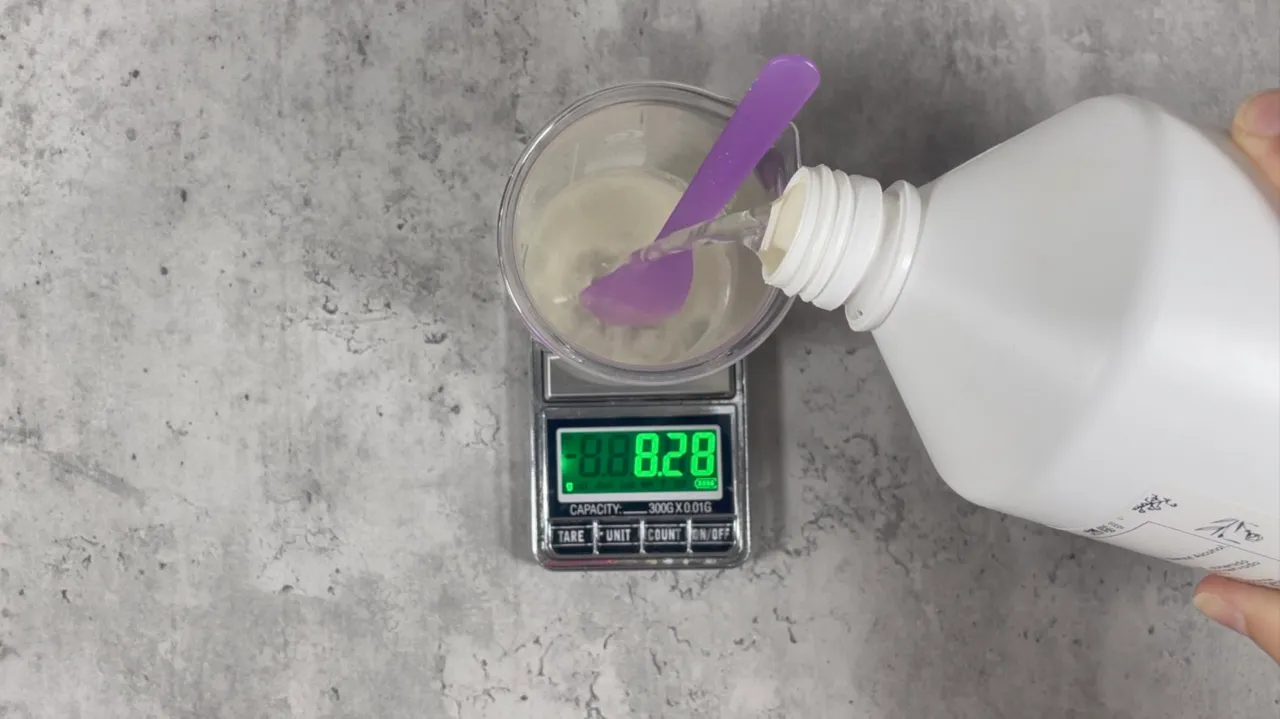
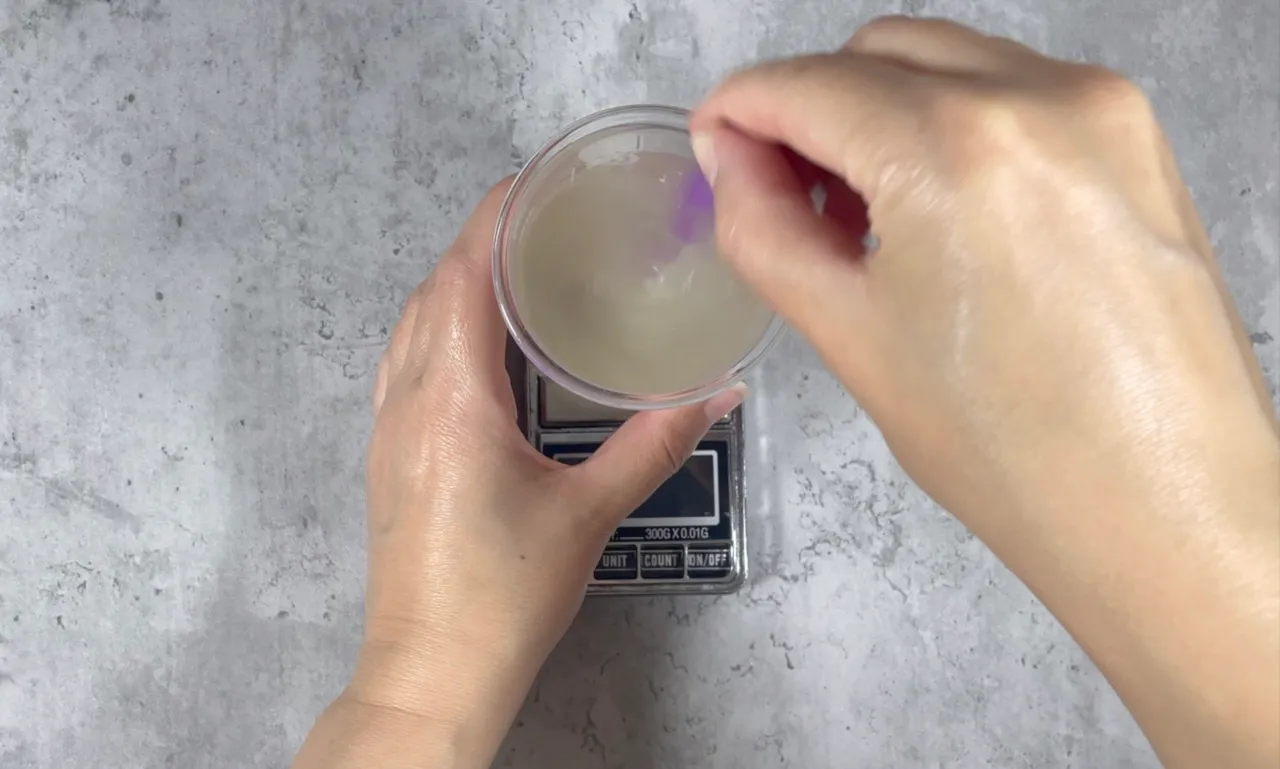
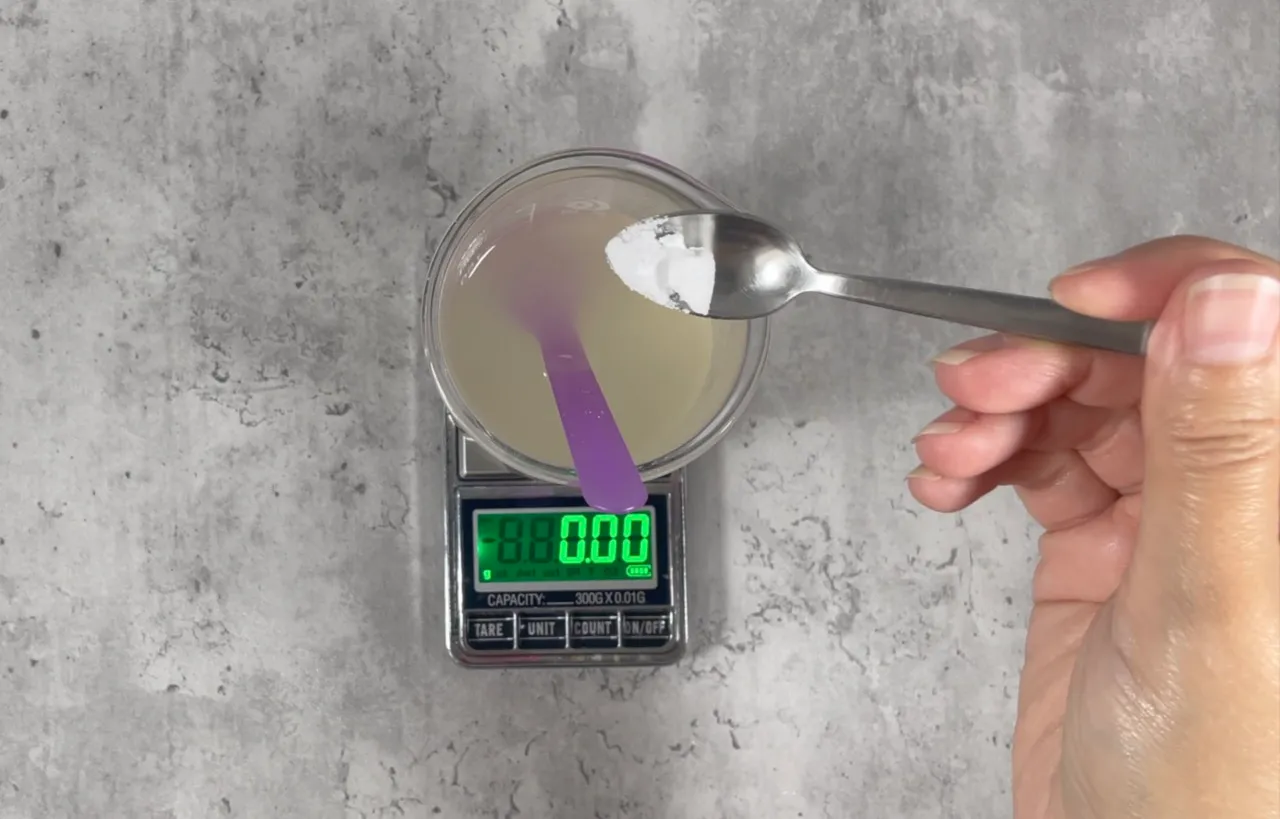
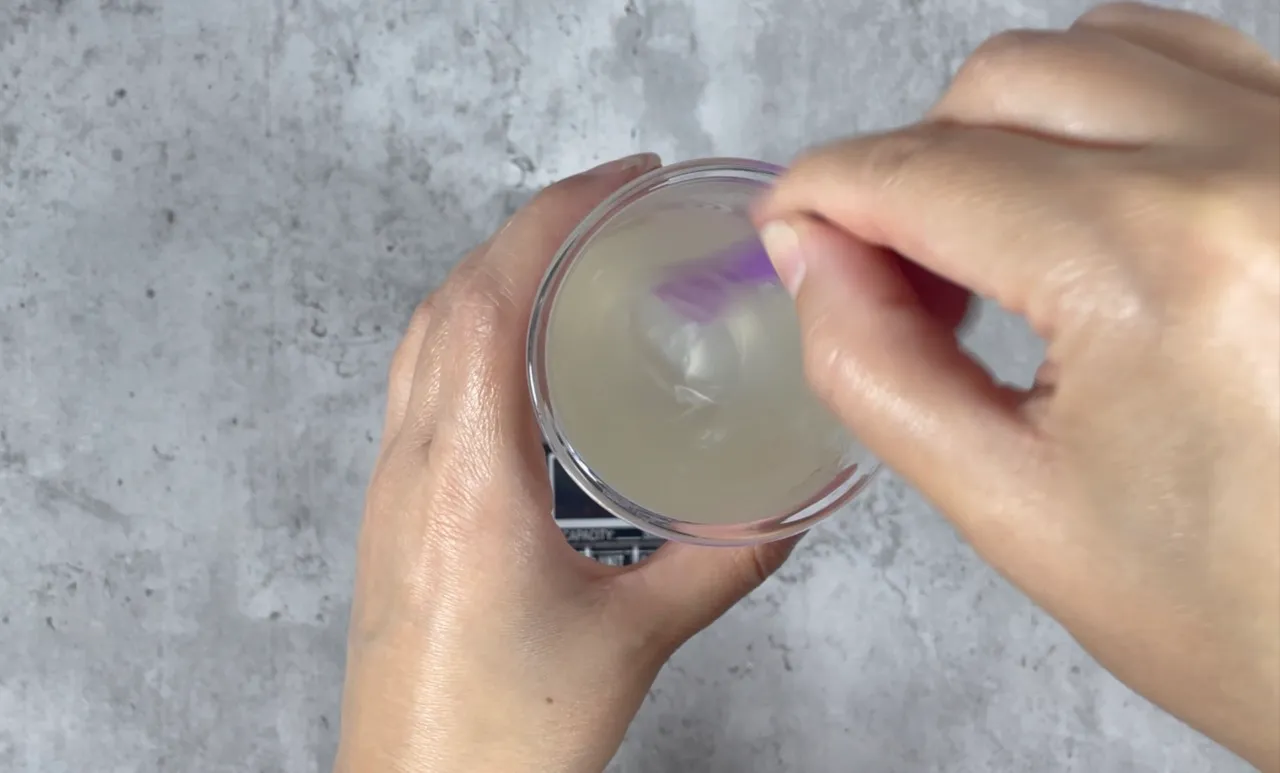
2.In another heat-resistance beaker, add phase B ingredients.
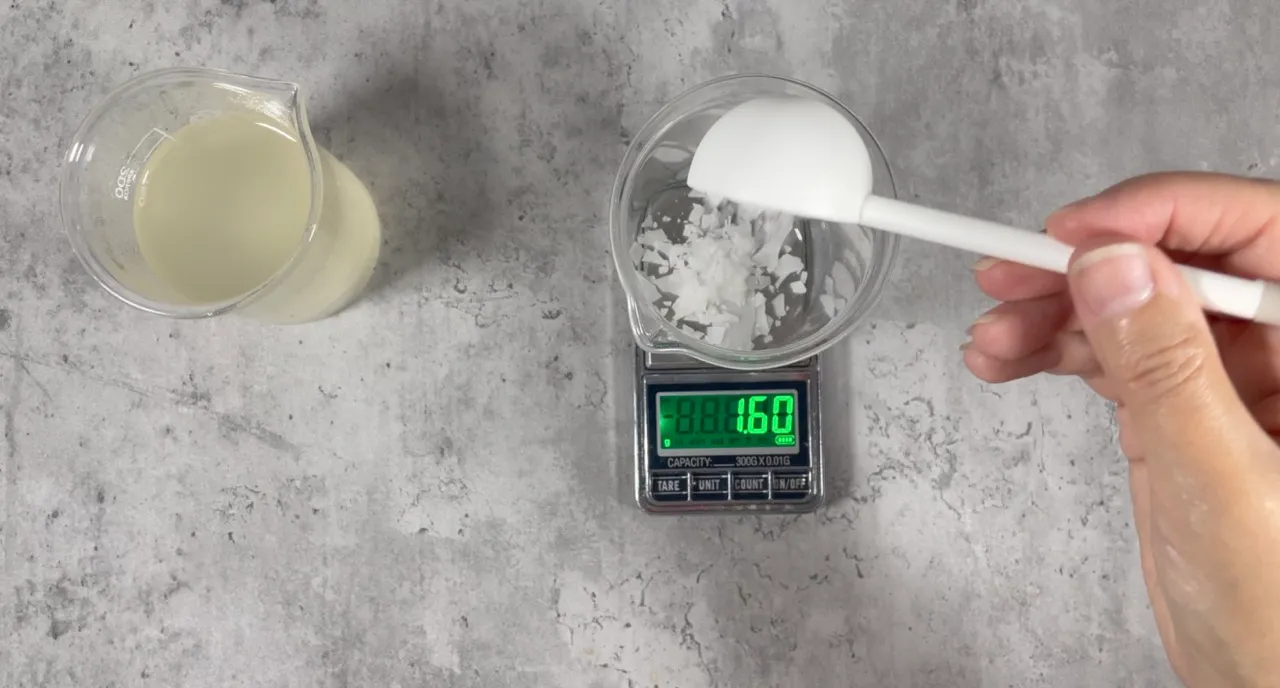
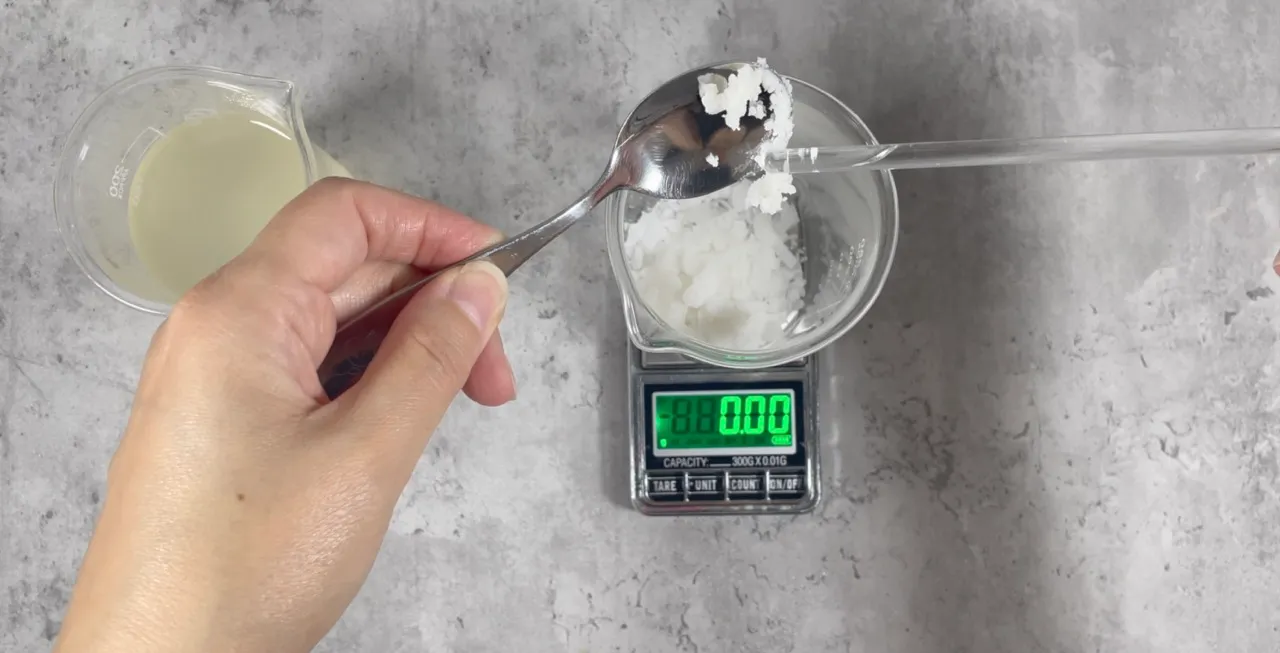
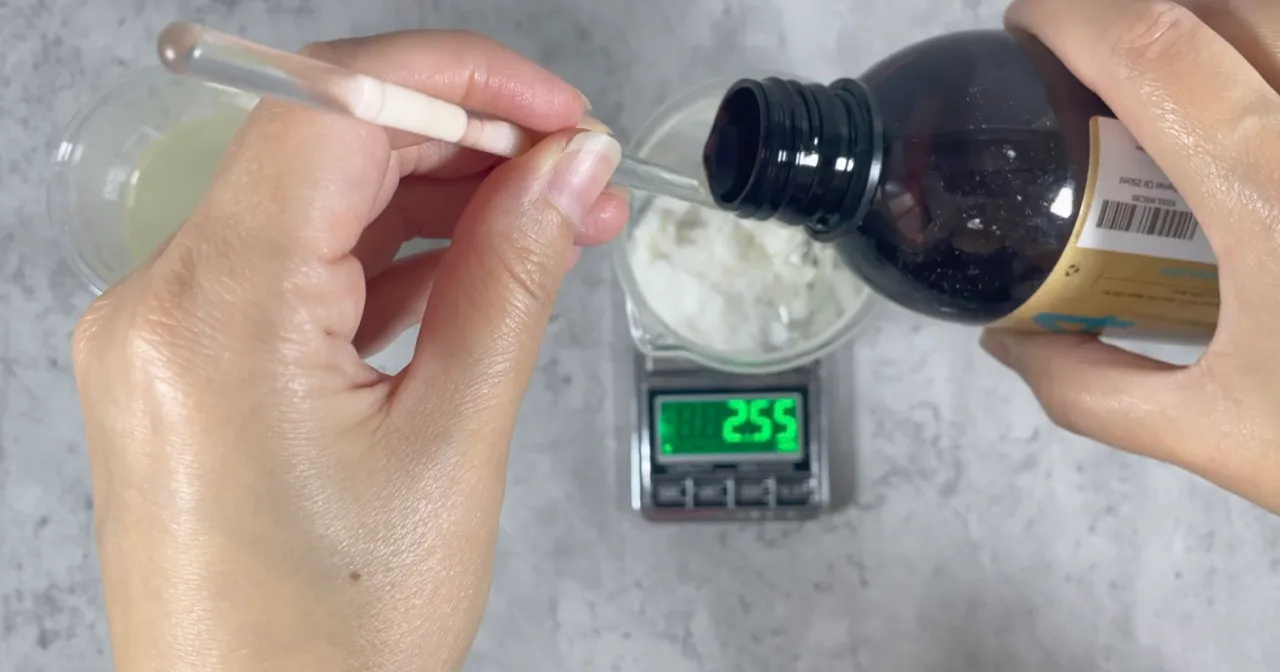
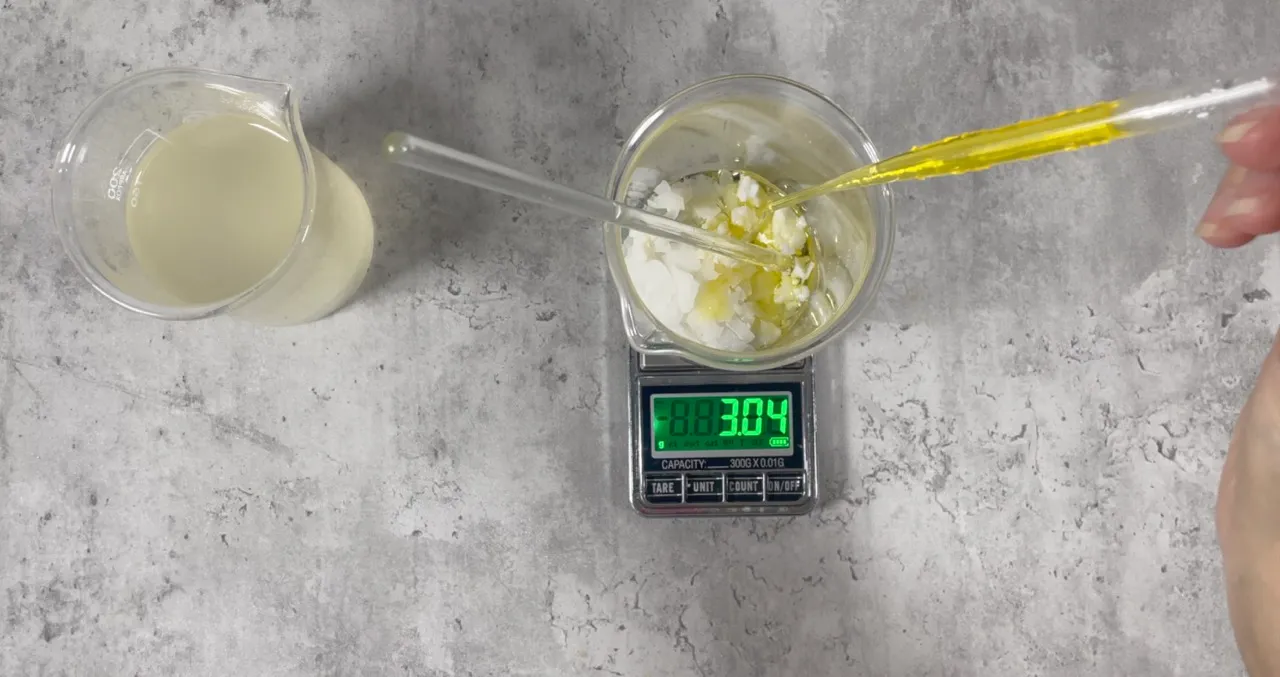
3.Cover phase A with aluminum foil to minimize water evaporation. Place phases A and B into a double boiler on medium heat.
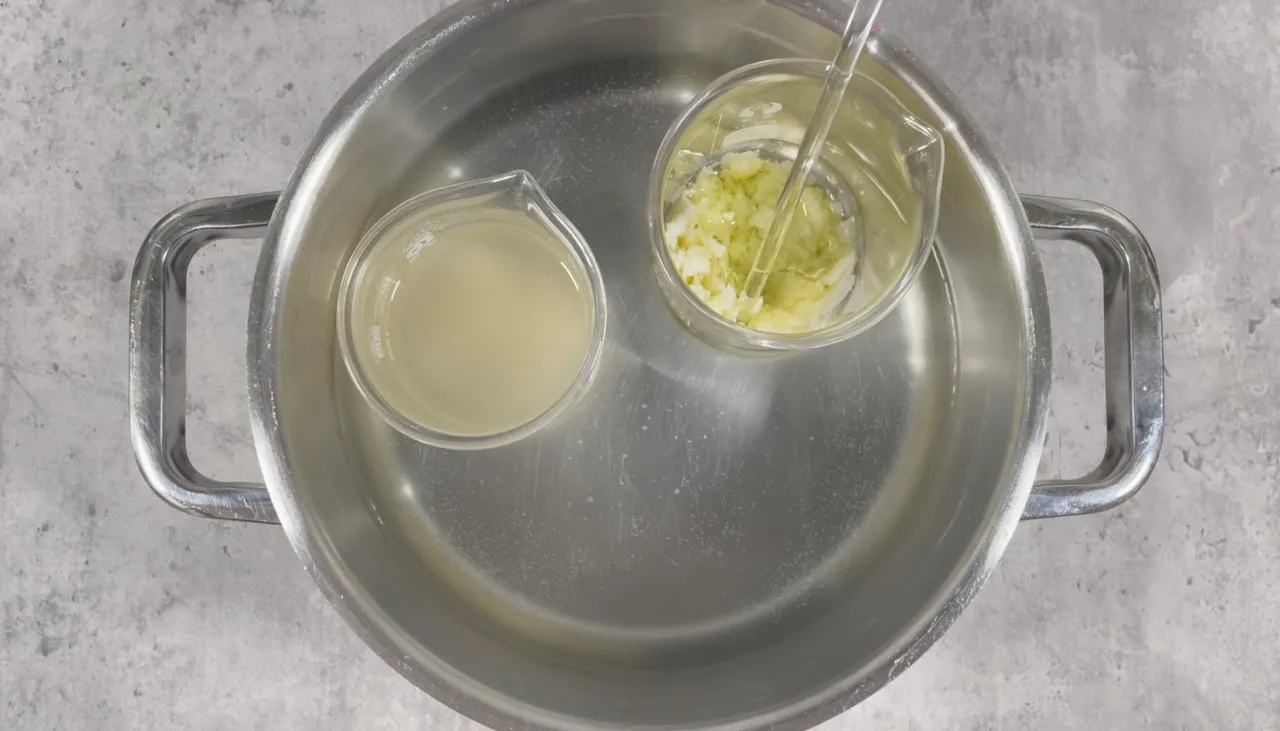
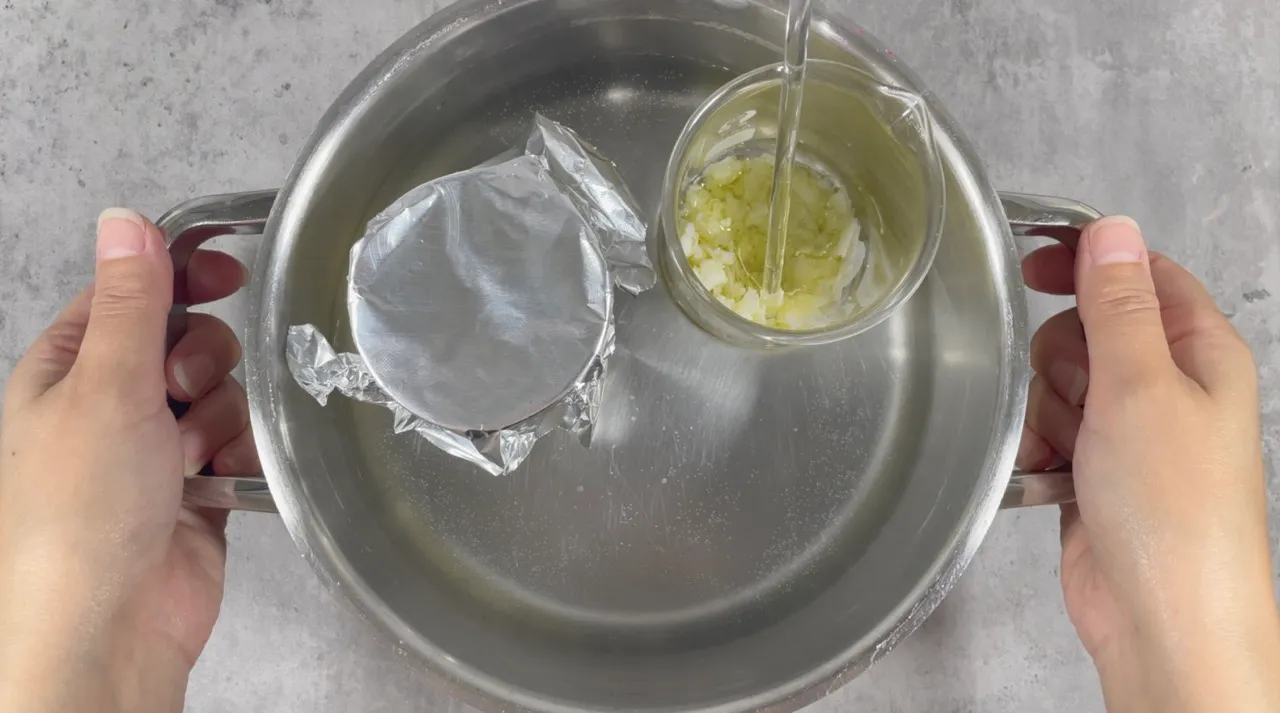
- In a different container, add phase C ingredients. Set aside.
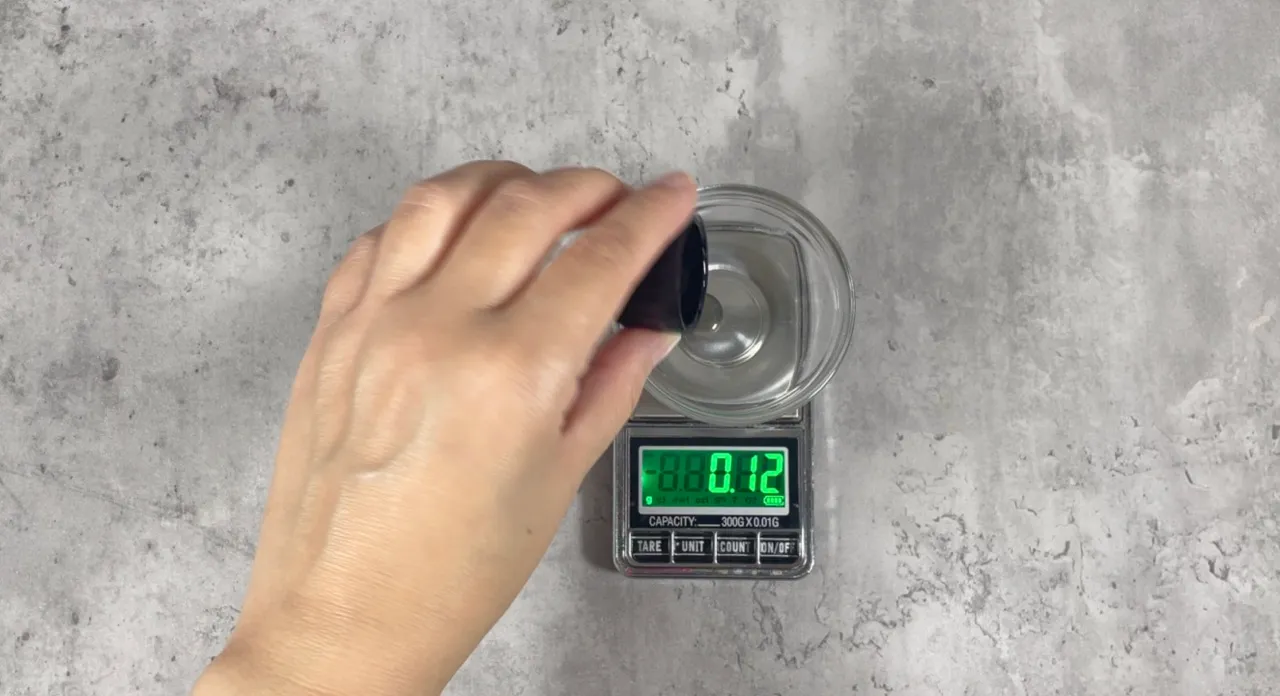
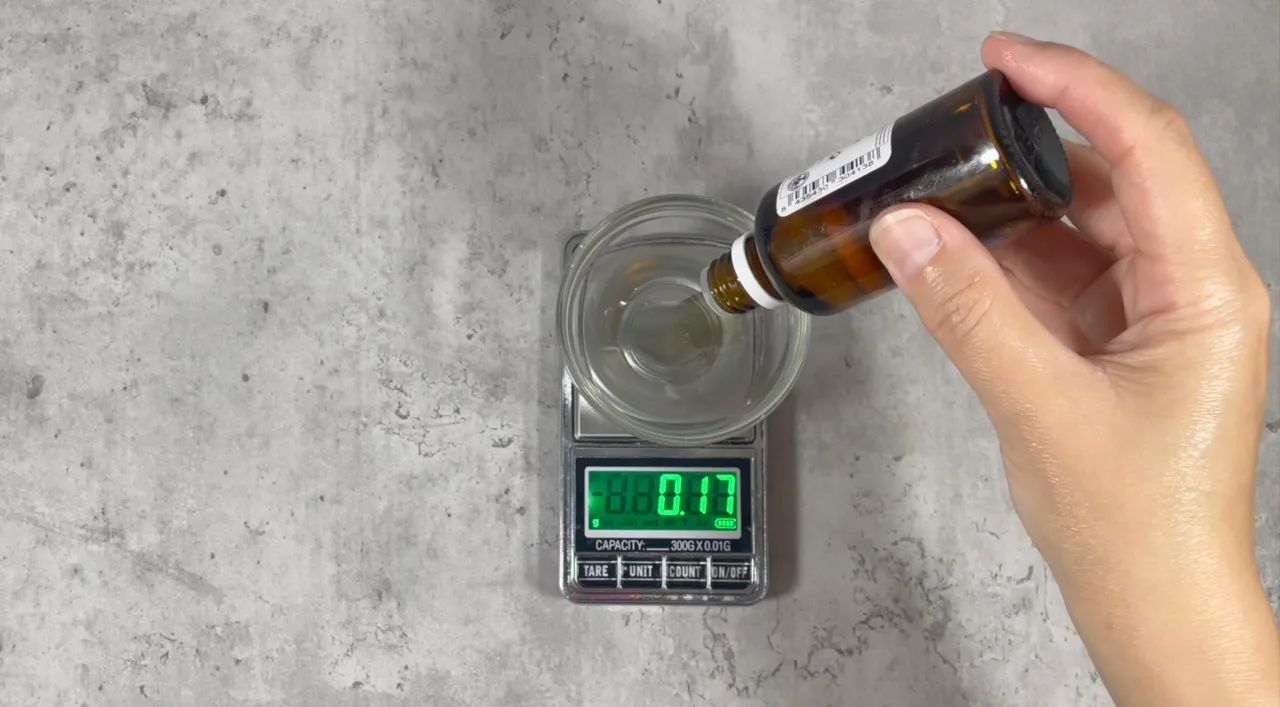
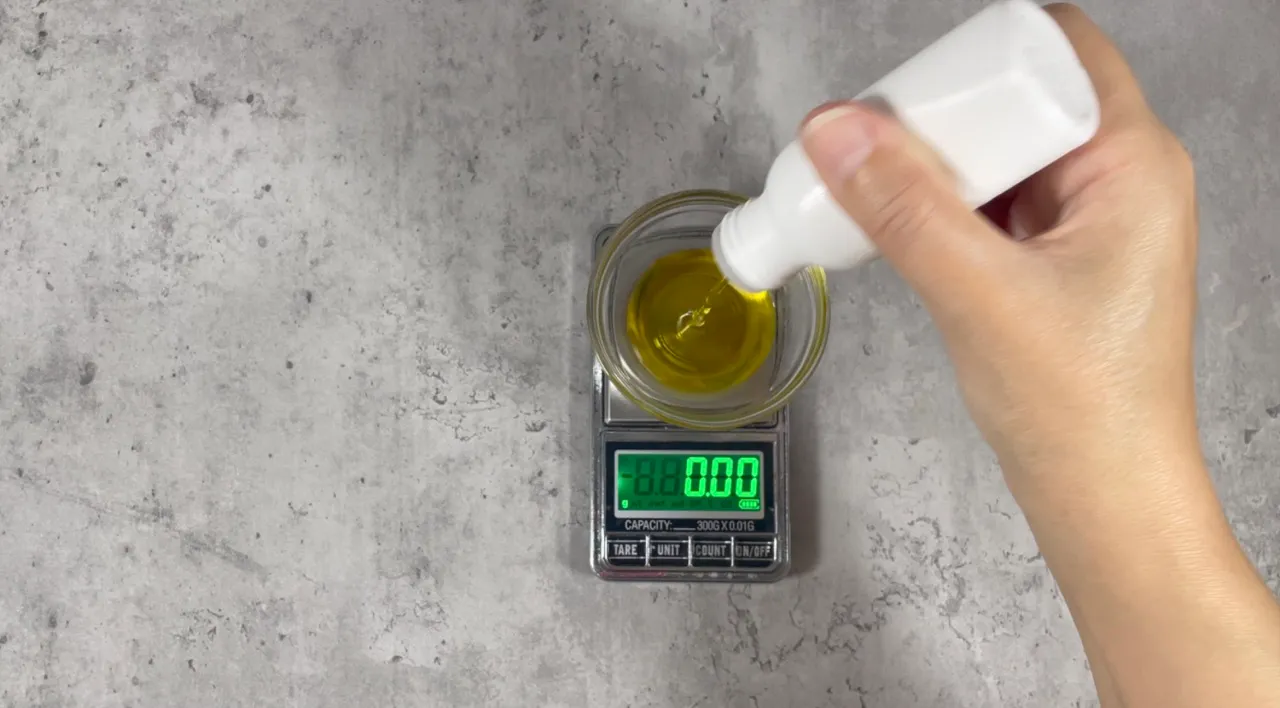
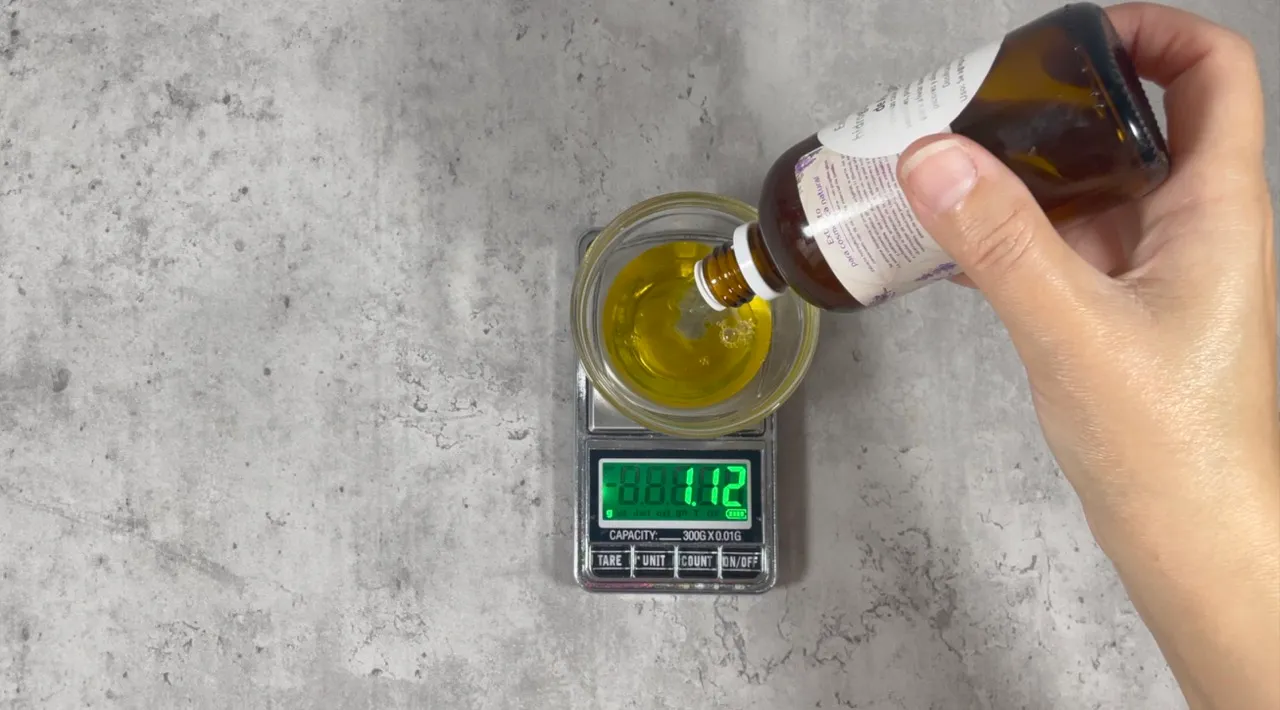
- Remove phases A and B from the heat after everything has melted.
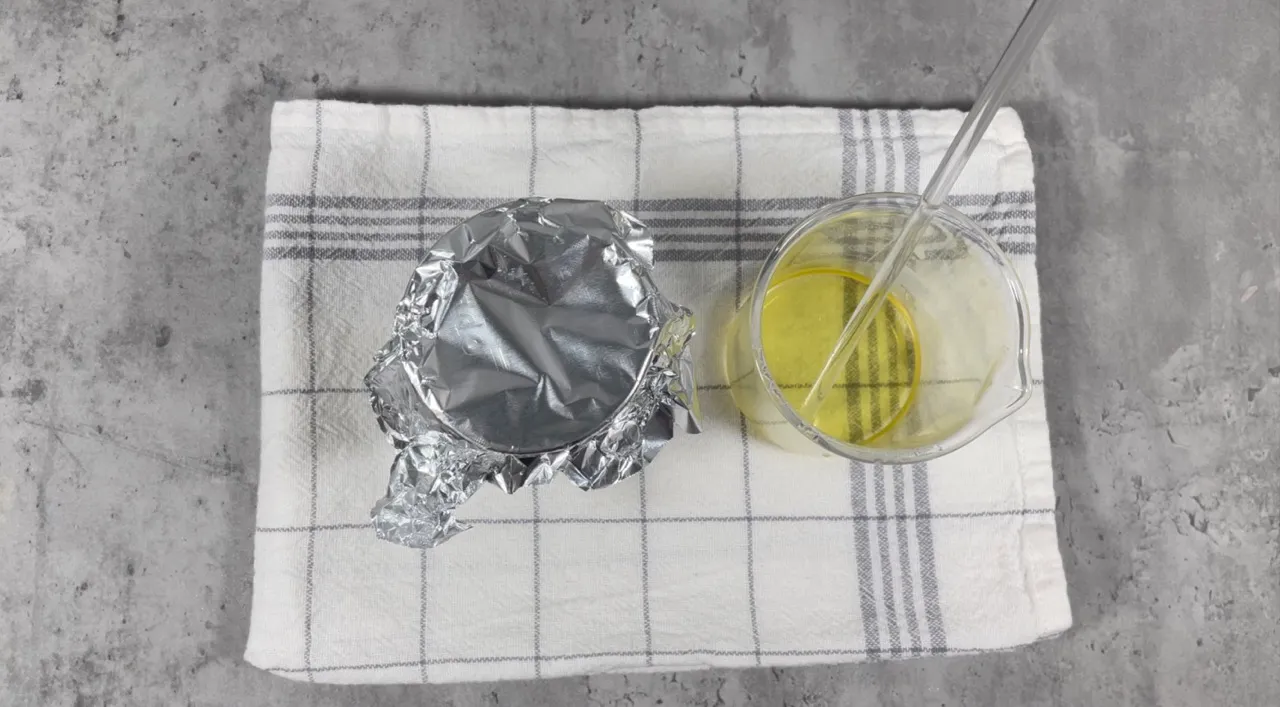
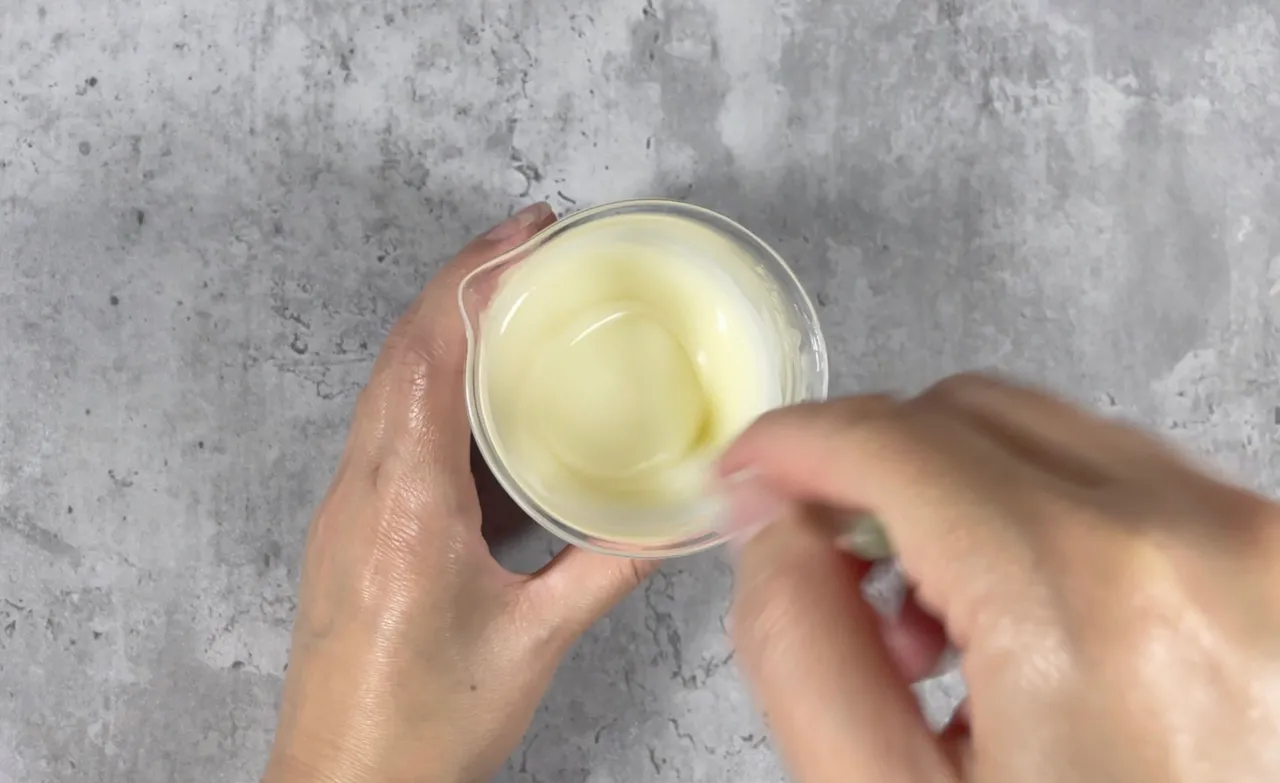
- Combine phases A and B and stir well.
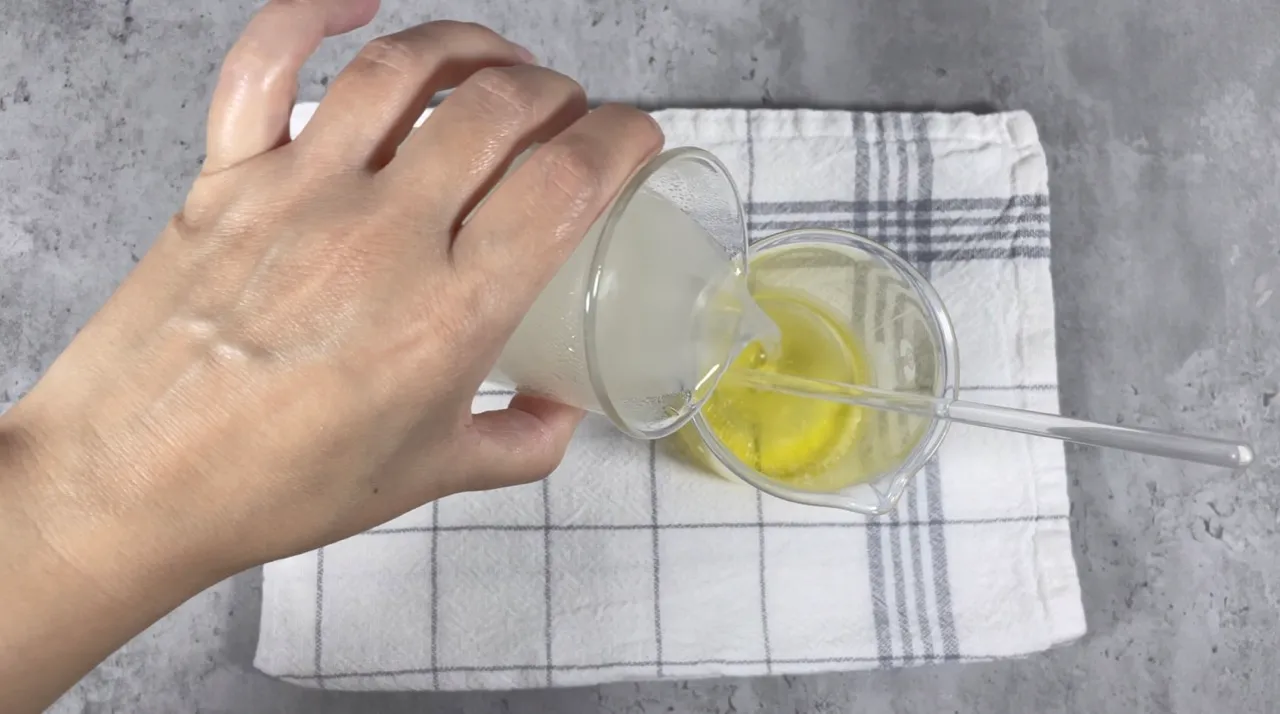
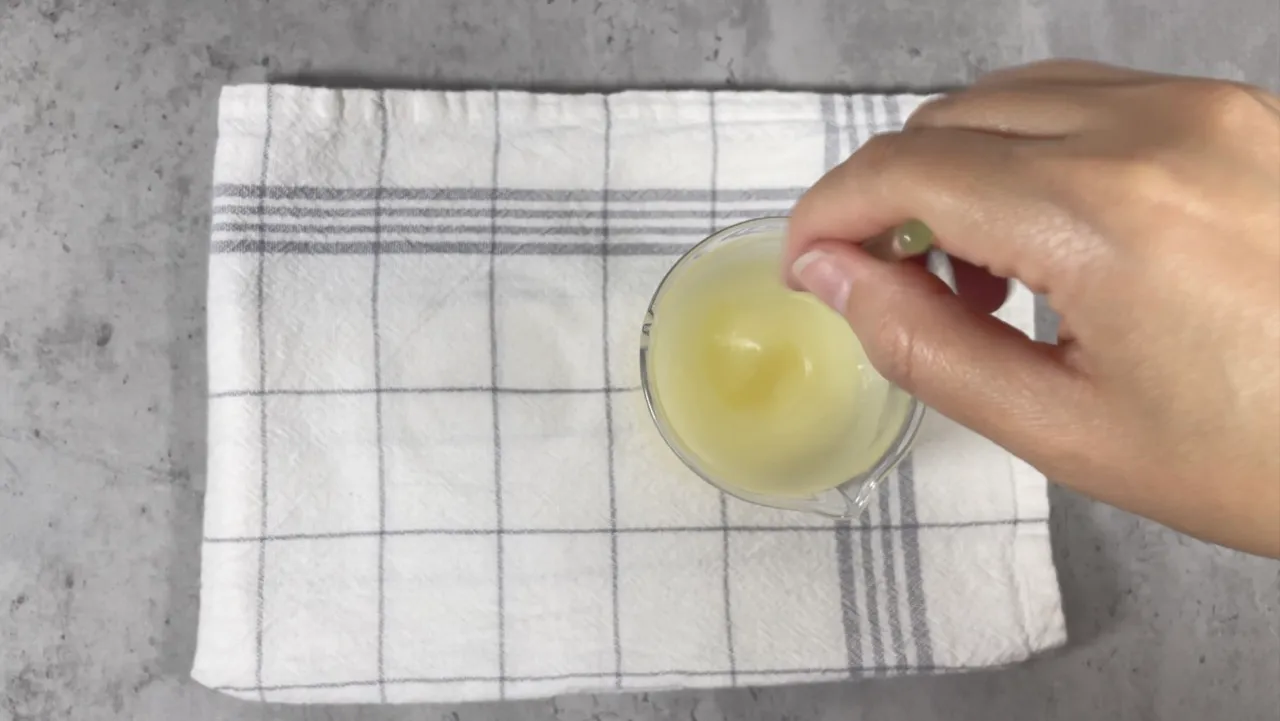
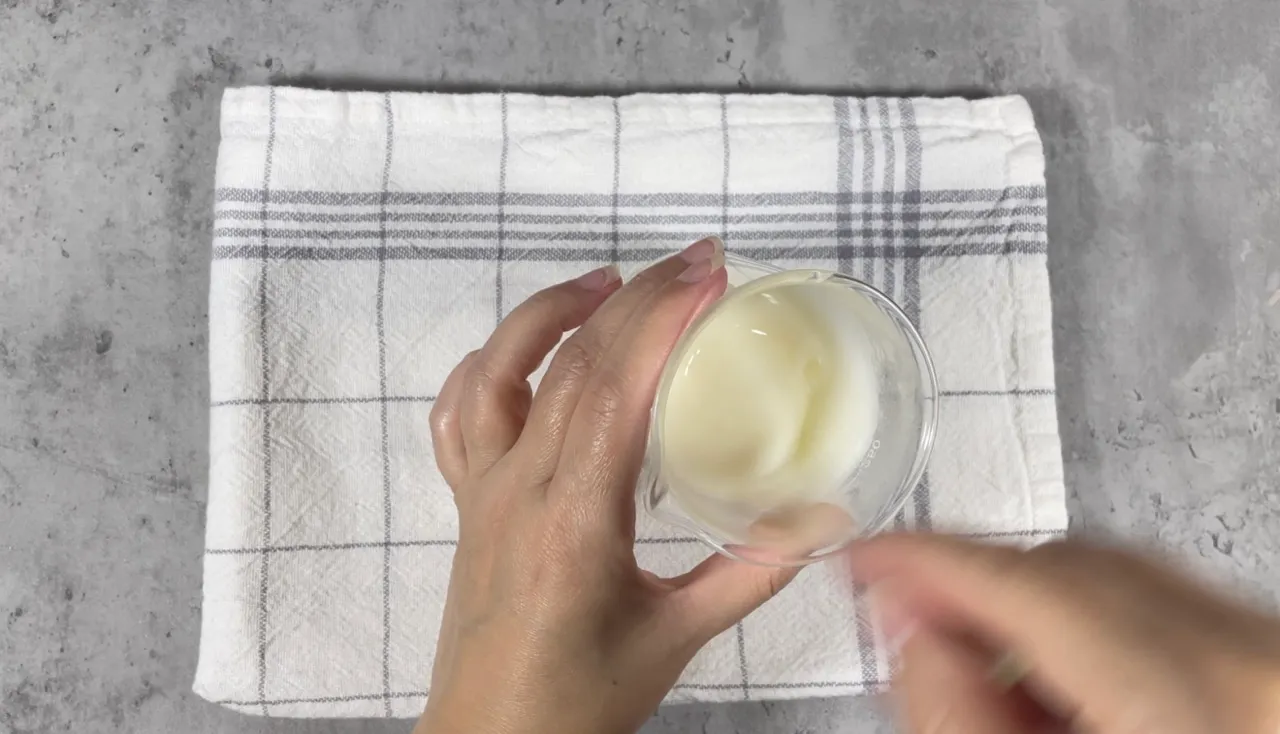
- Add phase C and stir to combine when the temperature cools down to 40 degrees Celsius or less.
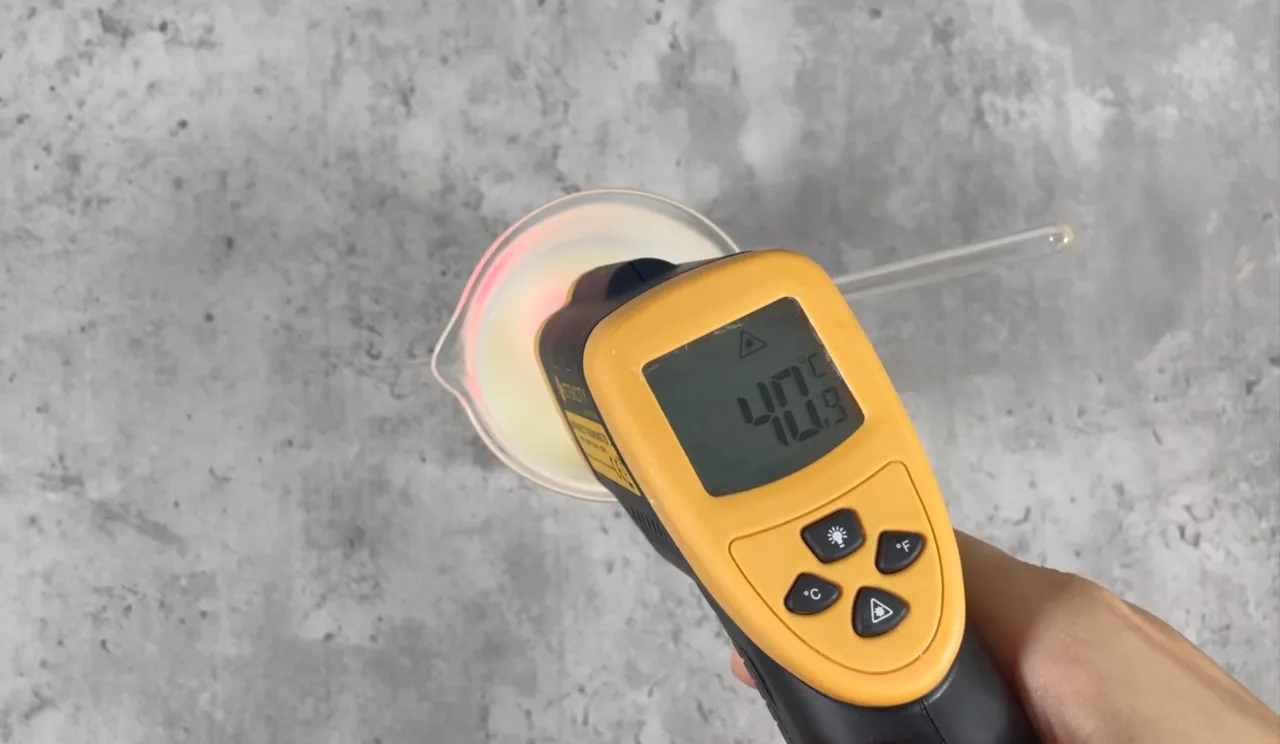
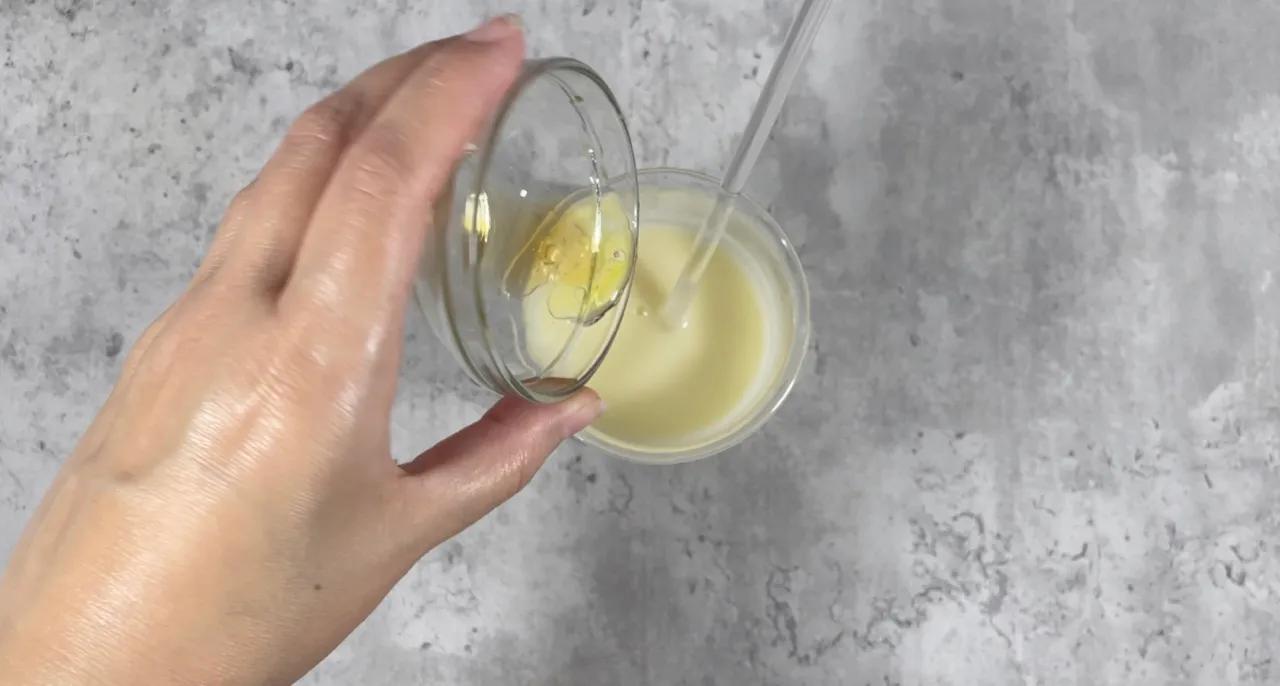
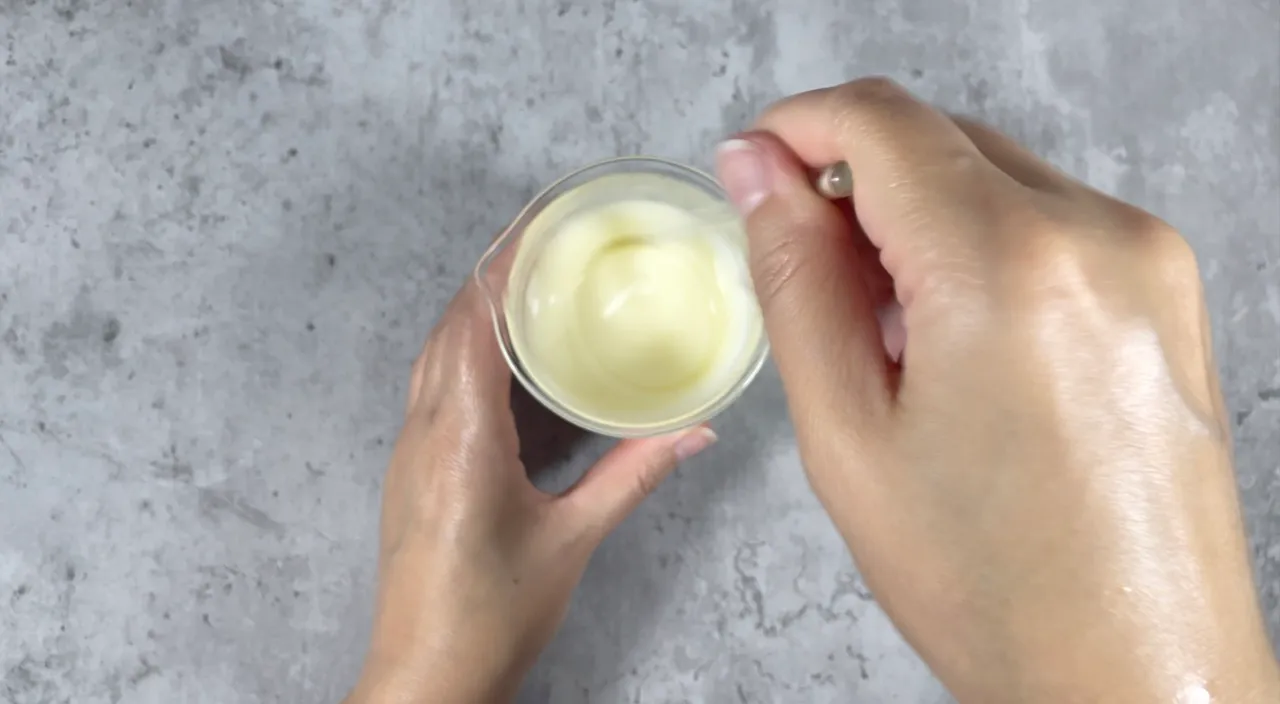
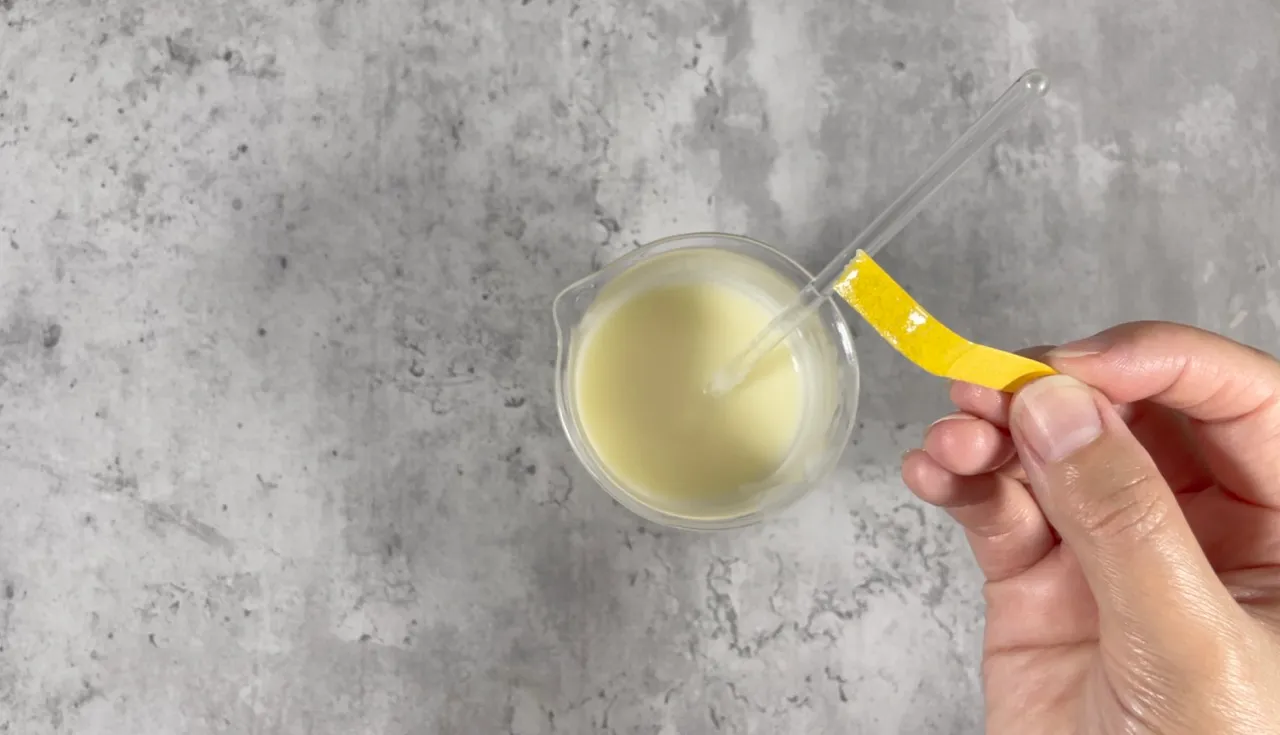
- Check PH and adjust if necessary. I added a few drops of lactic acid 80% solution to lower the PH. To learn more about PH adjustments in cosmetics, please read this post. PH between 5 and 6 is fine for this face cream.
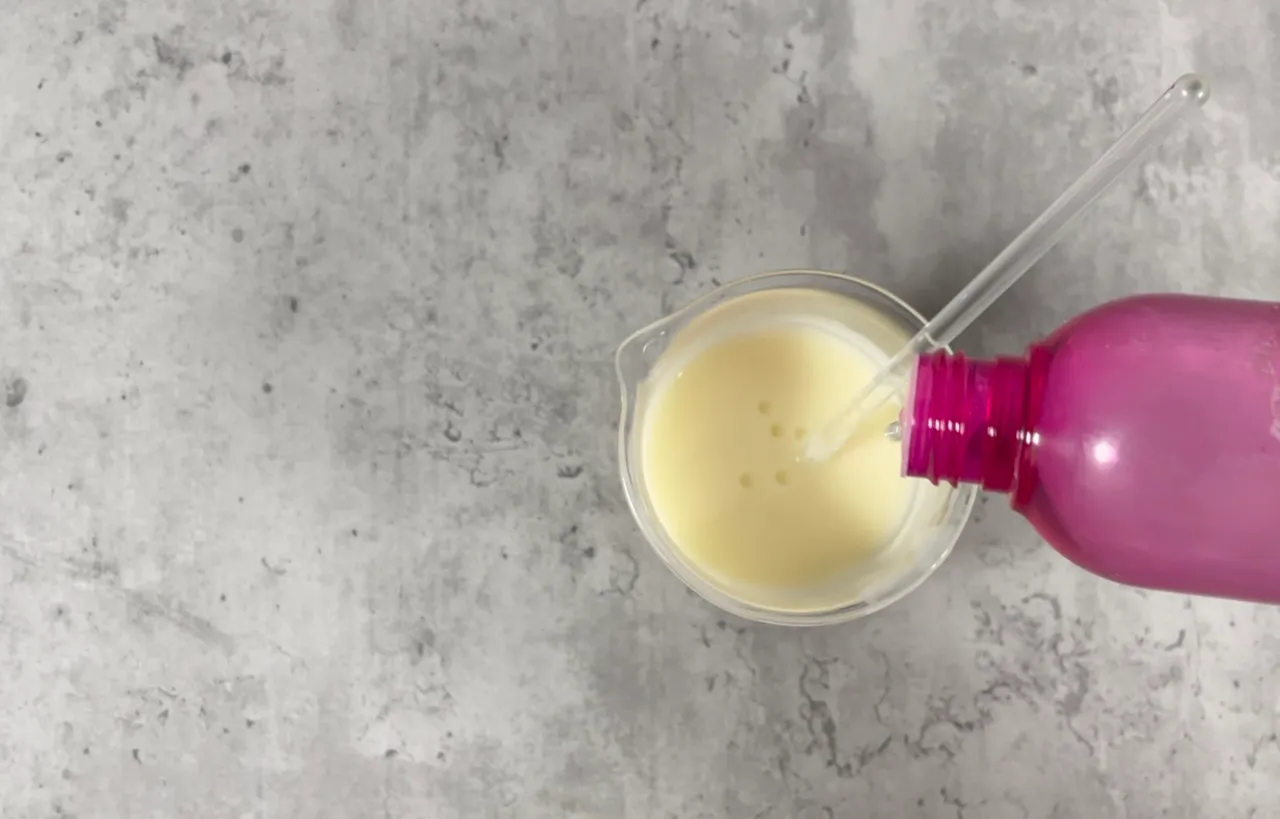
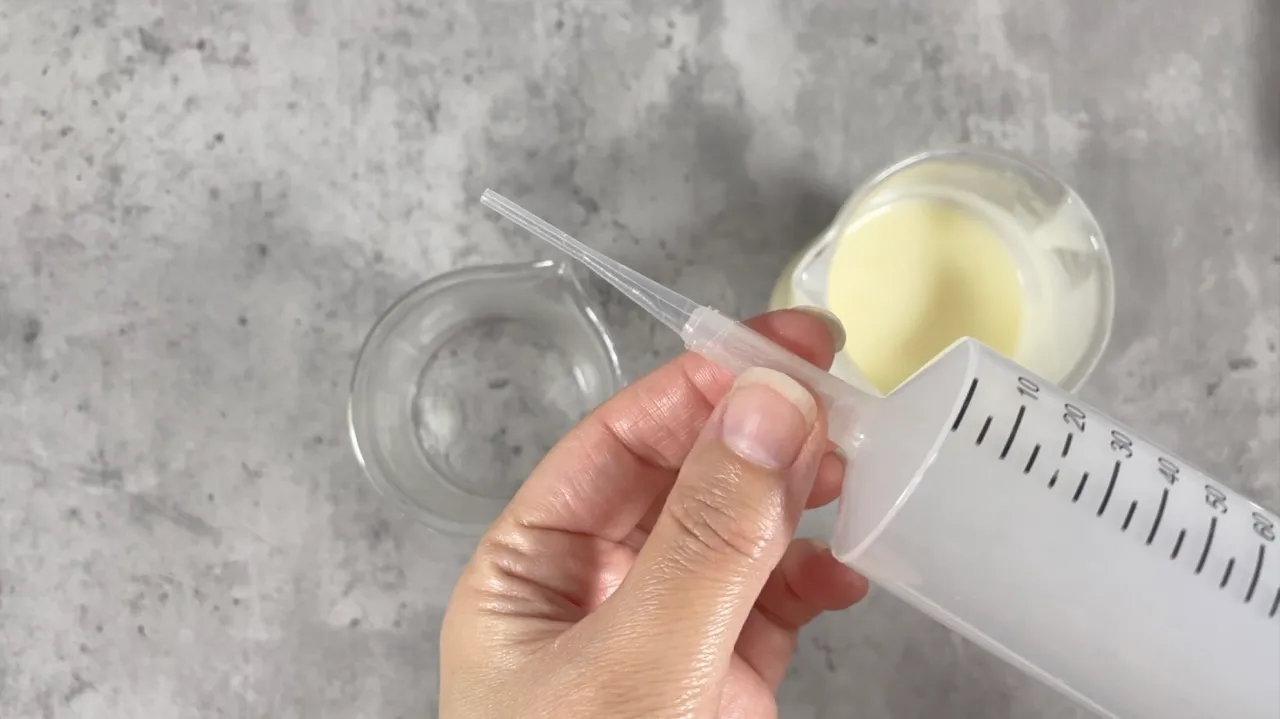
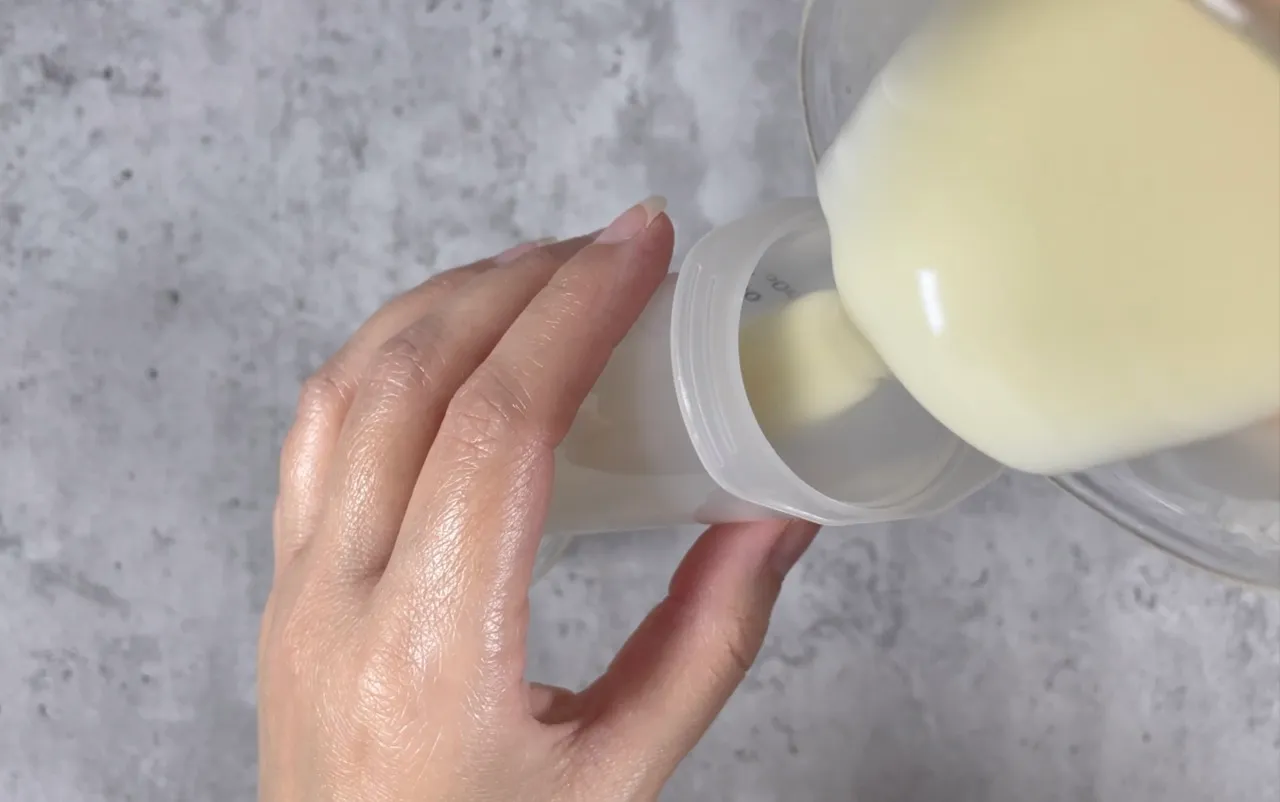
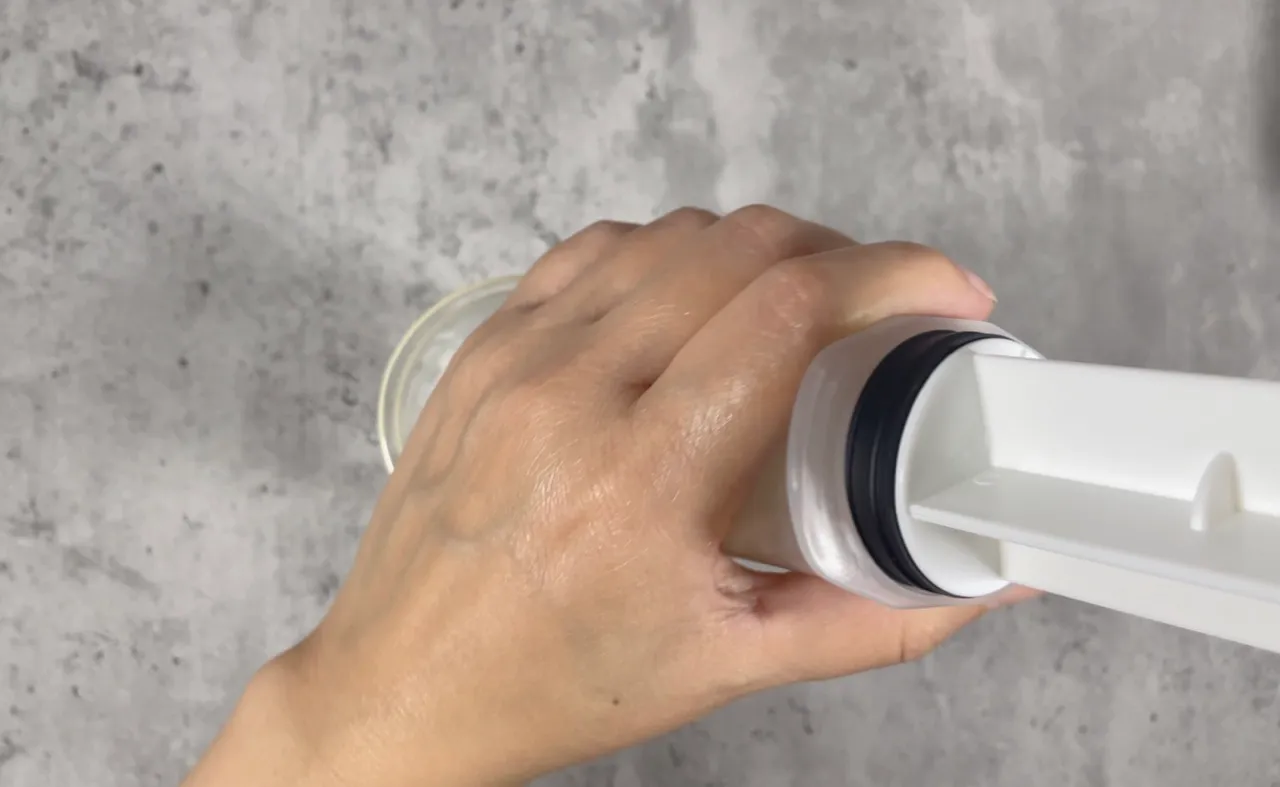
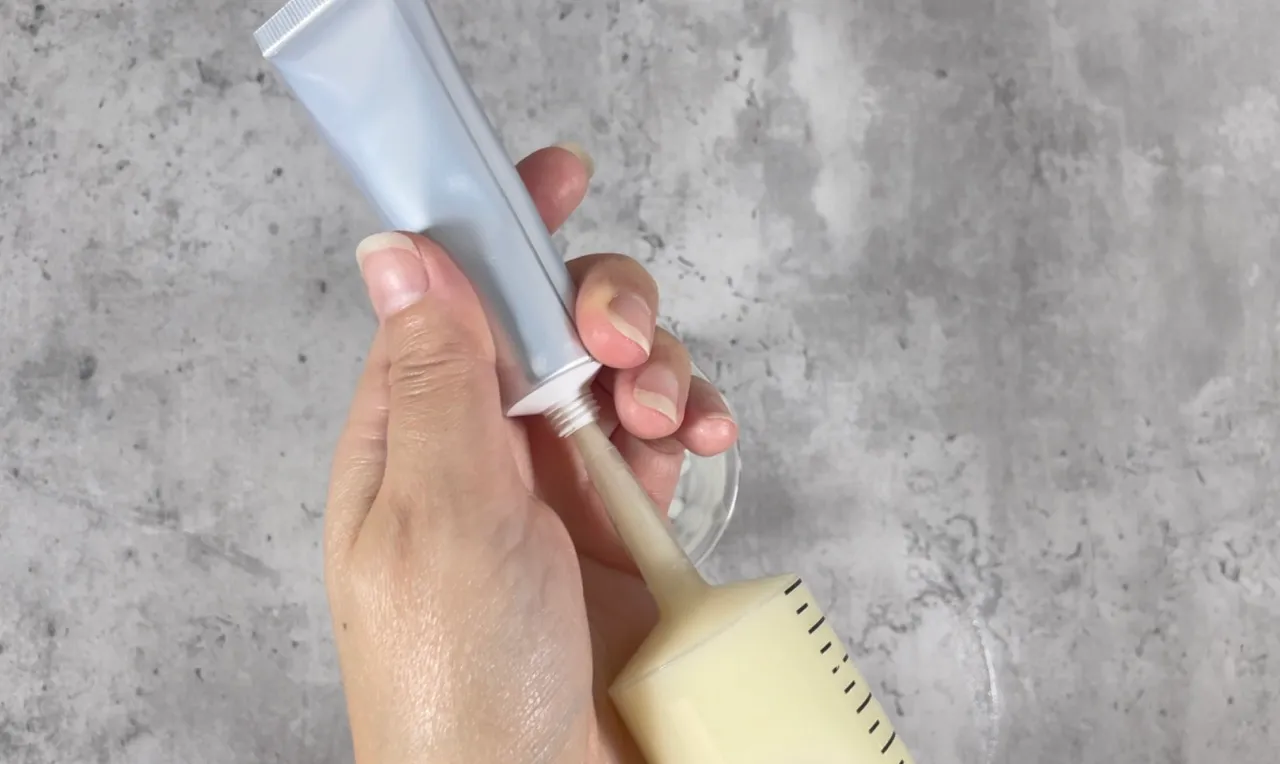
- If you want to pour your cream into a tube container, use a syringe. I added the tip of a small pipet to my syringe to pour the cream easily into my chosen tube containers.
Notes:
-
You can replace the green tea hydrosol with distilled water or rose hydrosol.
-
If you don't have Niacinamide, you can replace it with Panthenol (vitamin B5) or allantoin. If you are using allantoin instead, you need to adjust the amounts. Use 0.5g allantoin and add 1.1g glycerin (total of 7.1 glycerin and 0.5g allantoin for 100g product).
-
You can use different emulsifying wax. Remember, each emulsifying wax will give a different texture and density. Check this post about basic creams and lotions to learn about different results from different emulsifying waxes.
-
You can swap the mango butter with shea butter or kokum butter.
-
You can replace the jojoba oil with argan oil, evening primrose oil or peach kernel oil.
-
You can replace the oat extract with malva flower extract, cucumber extract or aloe vera extract.
-
If you don't have VEGELURON, you can skip this ingredient and add 2g of glycerin instead.
-
If you use another preservative, please use it according to the supplier's instructions.